
I opened the Steam Machine box on a Tuesday and felt the odd silence of expectation collapsing into something smaller. I ran a benchmark and the numbers read like a promise that had lost its address. By the time I unplugged it, I knew I would not be keeping it.
I write this as someone who still loves Valve’s spark—Steam, Proton, and the dream of couch-friendly PC gaming. You, however, want performance that doesn’t make excuses. Below I walk you through five prebuilt PCs I would buy instead of the Steam Machine in 2026, why they matter in real sessions, and what you get for your money (prices are approximate).
Are Steam Machines worth it in 2026?
If your definition of worth is a living room-friendly form factor with compromises, maybe. If your definition is a machine that plays modern titles without stuttering or GPU compromises, then no.
Thermaltake Quartz i1460
When I set the Quartz on my shelf it was quiet, almost unassuming—that’s when the surprise hits.
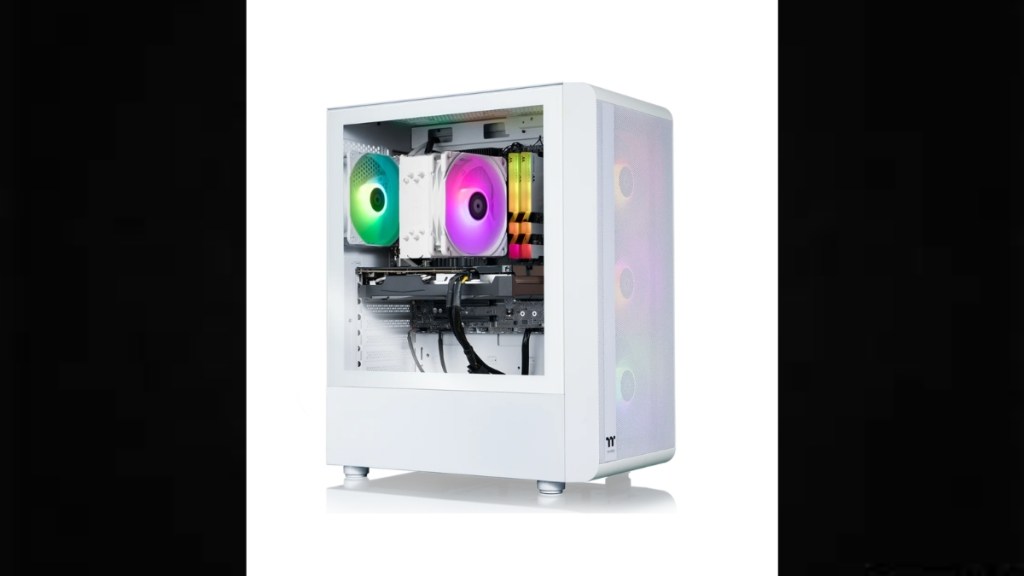
The hardware speaks plainly: Core i5-14400F (10-core/16-thread), RTX 5060, 16GB DDR4, 1TB NVMe. The i5 handily beats the Steam Machine’s Ryzen 5 7540U in CPU-bound scenes and the RTX 5060 brings DLSS 4.5 and stronger ray tracing support—real gains for modern titles and Valve’s Steam Deck-sized ambitions on a TV.
Price: ~$899 (€830). Pros: clear single-thread and multithread uplift, DLSS 4.5, roomy 1TB NVMe. Caveat: DDR4 instead of DDR5.
STORMCRAFT Sirius Prebuilt Gaming PC
I watched a friend set the Sirius under his monitor and it disappeared into the setup—compact and confident.
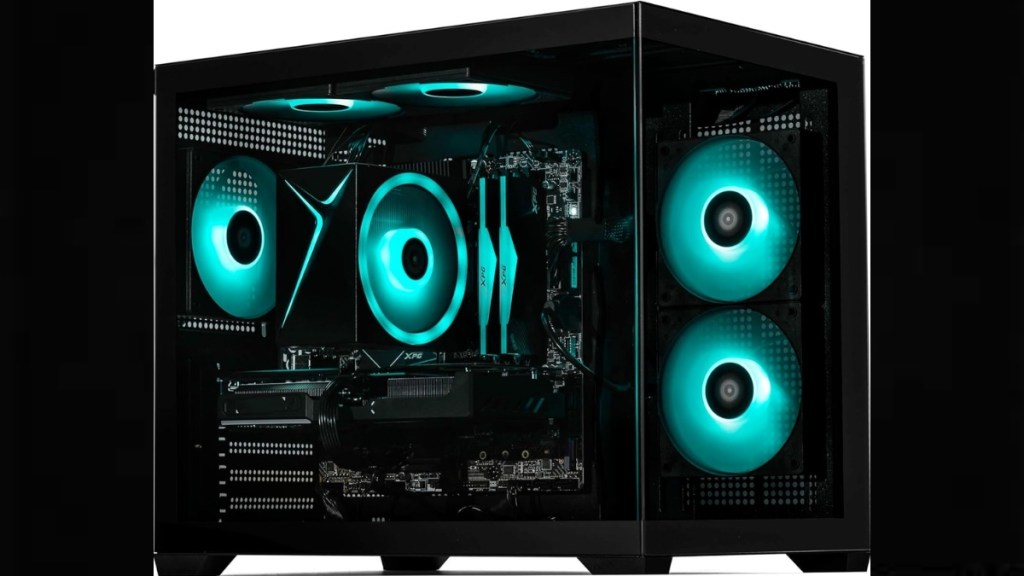
Hardware mirror: i5-14400F, RTX 5060, 16GB DDR4, 1TB NVMe in a dual-chamber mATX case. This one wins on desk real estate without surrendering performance. DLSS 4.5 and Frame Generation help sustain 60+fps in demanding titles at 1080p and even push to 1440p in many cases.
Price: ~$999 (€920). Pros: compact mATX design, strong Intel/NVIDIA combo. Caveat: DDR4 memory again, but sensible thermals and upgrade paths.
Can prebuilt PCs outperform Steam Machines?
Short answer: yes—especially when you factor CPU cores, modern GPUs, and driver maturity from NVIDIA/AMD alongside Valve’s software trade-offs.
Skytech Gaming Edge Desktop PC
I saw the Edge running a long session at 1440p and it held frame pacing like a patient judge.
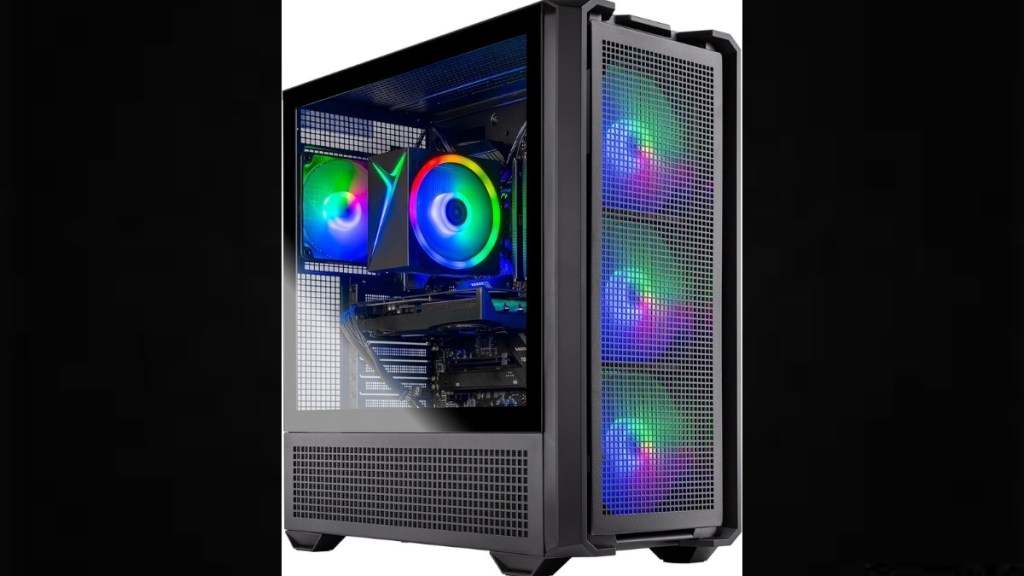
Configuration: Ryzen 5 5500, AMD RX 9060XT (8GB), 1TB NVMe, 16GB DDR4. If your priority is raw raster performance at 1080p/1440p, the RX 9060XT is hungry for pixels and delivers where ray tracing isn’t the primary aim.
Price: ~$849 (€780). Pros: strong raster performance, larger SSD than Steam Machine base. Caveat: Ryzen 5 5500 is Zen 3—solid but older—and DDR4 limits future-proofing.
Skytech Gaming Blaze4 Mini Gaming PC
I dropped the Blaze4 into a studio apartment setup and it felt like a full gaming desktop in a small box.
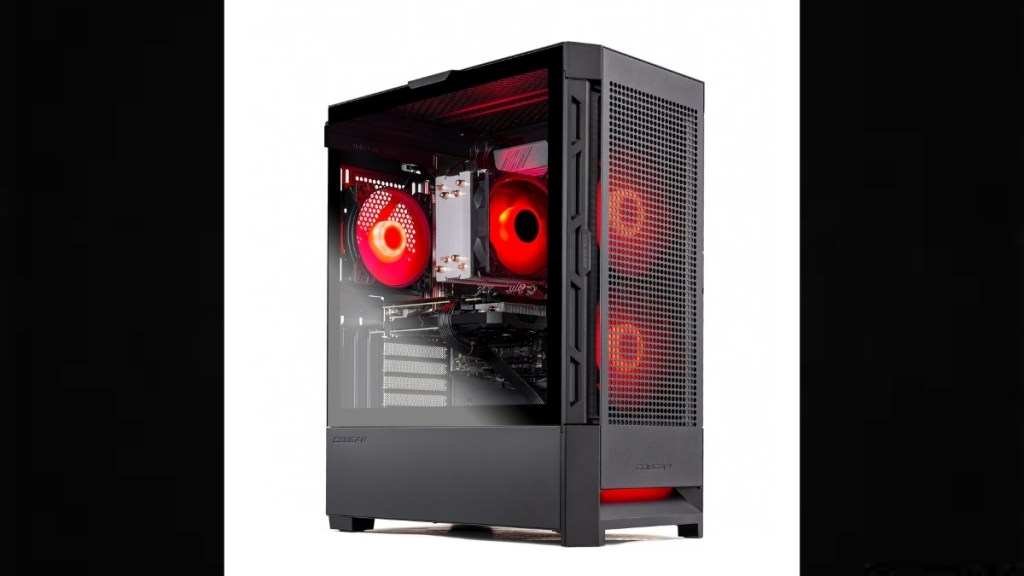
This one packs Ryzen 5 8400F (Zen 4), RX 9060 (8GB), and—importantly—16GB DDR5. The CPU parity with Zen 4 gives better IPC and power efficiency than the Steam Machine’s mobile-focused chips, and DDR5 matters in bandwidth-hungry scenarios.
Price: ~$799 (€740). Pros: DDR5 memory, modern Zen 4 CPU, compact case. Caveat: 500GB SSD is tight if you install multiple big titles.
ABS Cyclone Aqua Gaming PC
I left the Cyclone running overnight and it chewed through background tasks without a hiccup.
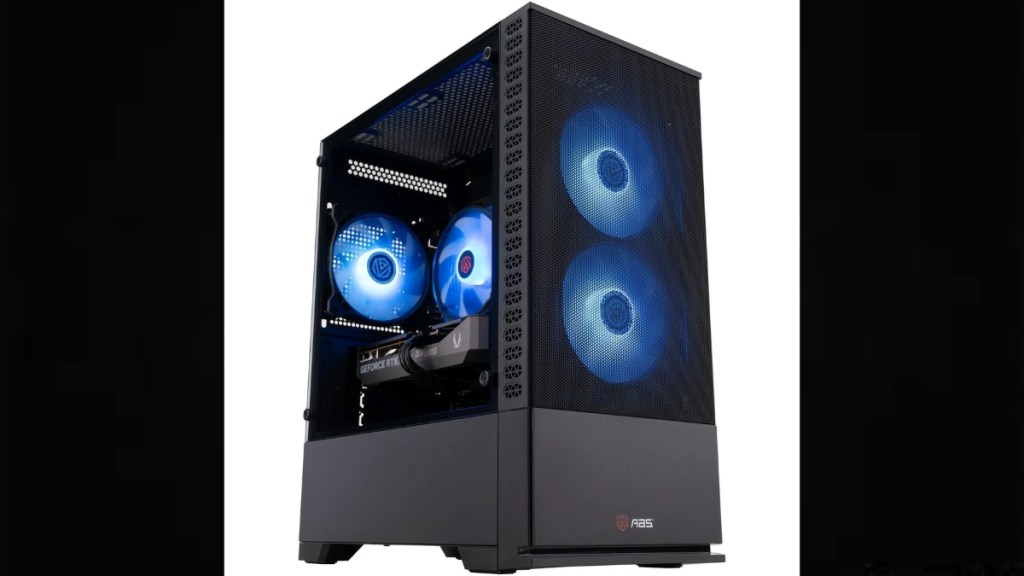
ABS bundles an i5-14400F with an RTX 5060 (8GB), but it stands out by doubling RAM to 32GB and offering a larger SSD—useful if you juggle streaming, Discord, and a few heavy games while you test Proton compatibility on Steam. More RAM is a real comfort in multitasking sessions.
Price: ~$949 (€880). Pros: 32GB RAM, strong CPU/GPU combo, larger storage than Steam Machine base. Caveat: DDR4 still, but for many gamers that extra RAM is a better short-term play than a DDR5 setup with less capacity.
I want to be honest: Valve delivered on a certain vision—compact, living-room PC with Steam-first ergonomics—but the raw performance and component mix in 2026 mean prebuilt desktops often outperform the Steam Machine for the same or slightly higher money. The Thermaltake and ABS machines give clear headroom; the Blaze4 Mini proves small can be smart, and Skytech’s options show AMD’s value in raster workloads.
Two short metaphors to frame this: the Steam Machine feels like a commuter bike—quiet, neat, but limited when you need speed—and the right prebuilt hits the road like a racehorse on a short straight.
If you want driver maturity, DLSS and Frame Generation from NVIDIA, or straightforward raster muscle from AMD—and a machine that plays Forza Horizon 6 or AAA ported Steam titles without the handshake issues—these prebuilt options are sensible moves. Tools and platforms matter here: Steam’s Proton compatibility, NVIDIA drivers, AMD Adrenalin, and motherboard BIOS updates from Intel/AMD all shape the experience more than chassis aesthetics.
Prices and availability fluctuate—retailers, direct-ship builders, and brands like Thermaltake, STORMCRAFT, Skytech, and ABS change SKUs quickly—but if you want a practical, modern gaming box in 2026, I’d pick one of these over the Steam Machine. Which would you buy, and why does it matter to your setup?