I was closing the door when my coffee threatened mutiny. I watched a latte nearly become a casualty of engineering, teetering like a tightrope walker on a poorly placed cupholder. If you’ve ever cursed at a spilled drink on your way to work, you already know why this matters.
I read the JD Power 2026 U.S. Initial Quality Study so you don’t have to—78,500 buyers and lessees, 90 days of ownership, and a single metric: problems per 100 vehicles (PP100). The headline is odd and telling: overall quality improved meaningfully, but the biggest practical fix wasn’t software or sensors. It was the cupholder.
Quality measured over nearly a dozen categories
You notice the difference because the small things stop annoying you first. The study tracks 10 categories—infotainment, features and controls, exterior, interior, powertrain, driving assistance, driving experience and more—and combines owner surveys with dealer repair records.
JD Power found PP100 fell from 192 last year to 175 this year, the largest year-over-year drop since 1997 and one of the best scores in the study’s four-decade history. Nine of the 10 categories improved; one got worse.
Are infotainment problems getting worse?
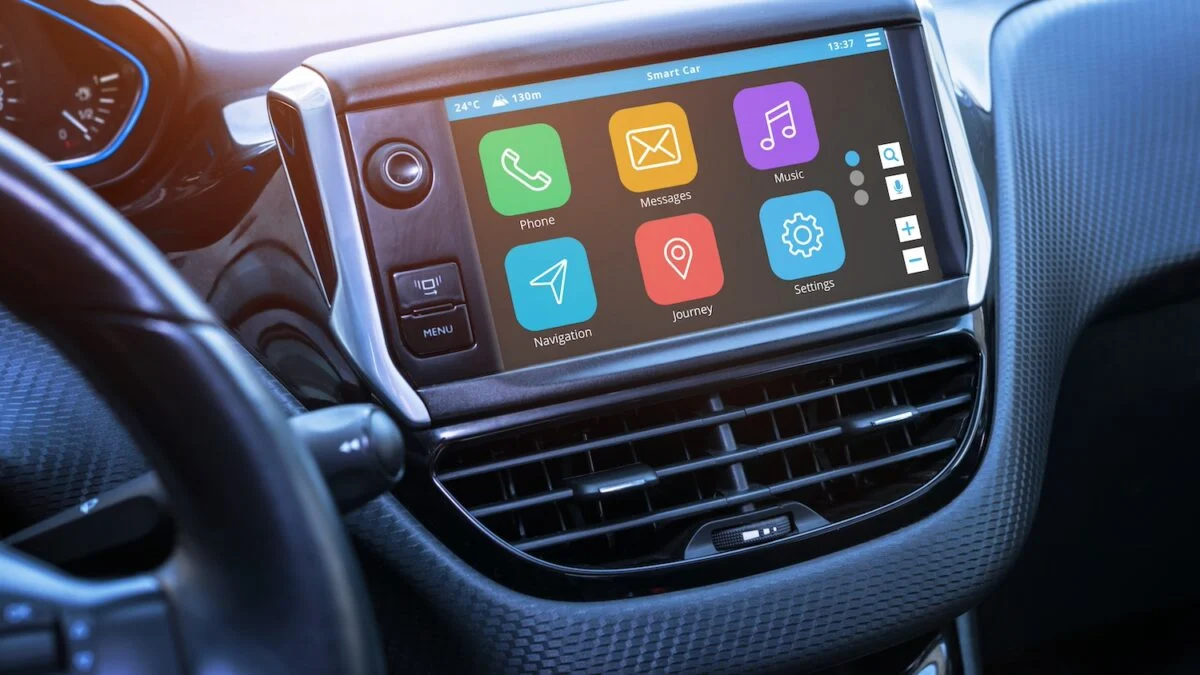
Yes. Infotainment rose to 44.4 PP100 in the mass-market segment and 38.3 PP100 in the premium segment. The single biggest driver: Android Auto and Apple CarPlay connectivity problems, which added about 1.4 PP100 to reported issues. Nearly half of owners who complained about distracted driving blamed the infotainment system or touchscreens.
This matters because automakers keep installing larger screens and more features—suites that promise convenience but often require fiddling. Frank Hanley, JD Power’s senior director of auto benchmarking, put it plainly: customers notice when software doesn’t behave the way they expect. Less intrusive alerts and simpler controls drove some of the biggest improvements.

Simpler features and design improvements meant more to respondents than fancy screens
You test a new car by using it: can it hold your bottle, can the alerts be ignored politely, does the cabin stay quiet? In this year’s study the most surprising lift came from things you touch, not things you tap.
Cupholders delivered the single biggest improvement. Designers finally treated cupholders like a precision tool: better placement, more flexible diameters, and grips that actually hold odd-sized bottles. Other solid gains showed up in driver assistance alerts, electric vehicle range, and reduced road noise.
Why did cupholders show the biggest improvement?
Because solving a small daily nuisance is visible to owners the first time they use the car. Cupholders have a direct feedback loop: they work (or they don’t). Fixing placement and range of fit gives instant, repeatable satisfaction—no software update required.
Brand performance followed familiar lines. Porsche topped the list at 138 PP100; Genesis (151) and Lexus (156) rounded out the premium leaders. Among mass-market brands, Ford led at 152 PP100, followed by Nissan at 156 and Buick at 162.
There’s a lesson for you as a buyer and for the industry: incremental, human-centered fixes move perception more than feature bloat. Automakers keep promising assistants and connected services, but when those systems fail they become a daily irritation—far louder than a stabilizing cupholder.
So which would you rather have: a touchscreen that trips up on your commute or a cupholder that never turns your latte into a hazard?