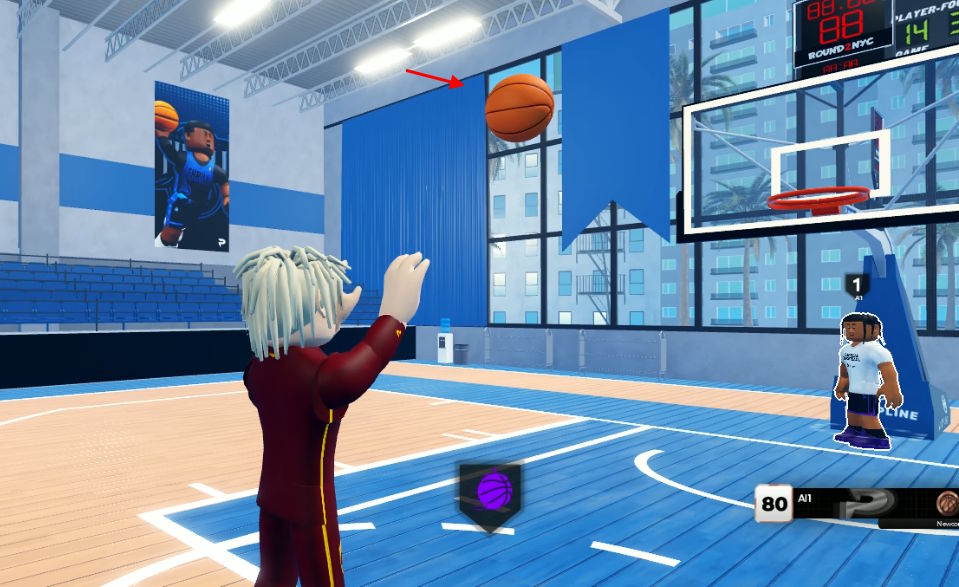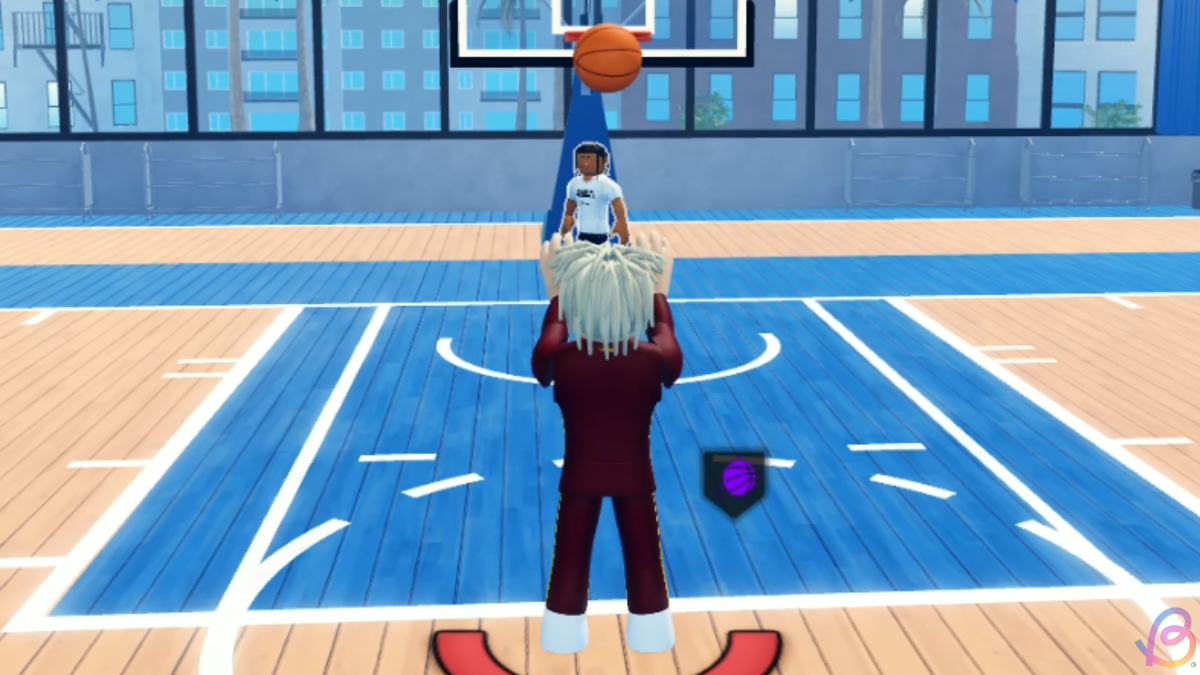
I watched a backdoor lob sail over two defenders and land in my teammate’s hands before anybody blinked. The crowd held its breath, then erupted as the dunk slammed the momentum away from the other team. That single play rewired how we attacked the paint for the rest of the season.
I teach players and streamers how to make that moment repeatable. You’ll get clear inputs, timing cues, and the exact reads that separate a highlight from a turnover. Read these moves, practice them in NBA 2K or a pickup on PlayStation/Xbox, and you’ll start forcing defenses to account for the alley oop every time.
How to Throw an Alley Oop in Practical Basketball
On fast breaks I’ve seen a clean lob erase an entire defense in one second.
As the passer, you control timing. The pass must arrive when your teammate is already committed to the cut but not yet at the rim. Here’s what to press and why it matters:
- Button Input: Hold T + press teammate number (1 to 4)
- Use: Send a high lob so your teammate can finish before defenders react
Wait until the cutter is roughly halfway to the basket and has a clear lane. Throwing too early gives defenders time to intercept; waiting too long lets them recover. Timing is like threading a needle: too early and it misses, too late and it’s picked off.
Practice the lob in 2K’s training mode or watch NBA highlight clips on YouTube to learn how elite point guards set up the pass. The more you replicate game speed on PlayStation or Xbox, the more reliable your reads become.
How do you throw an Alley Oop in Practical Basketball?
Hold T and press your teammate’s number key while they are cutting toward the basket to loft a high lob. Aim for the receiver’s path, not the rim.
How to Receive an Alley Oop in Practical Basketball
I’ve seen receivers beat gravity by one perfect step and an even better jump.
As the cutter, your job is simple and precise: keep sprinting, time your jump, and finish. Inputs are short and decisive:
- Button Input: Hold Space to contest the catch and dunk
- Use: Catch the lob and finish strong with a dunk
Don’t slow before the catch. Press Space as you hit the catch point and release the timing meter in the green zone to convert the dunk. If you mistime the jump you either miss the catch or hand the defense a steal.
Practice reps in small-sided drills or simulate the move in NBA 2K practice courts to calibrate your jump timing against different defenders.
Can you finish an Alley Oop with both a dunk and a layup?
Yes. Press Space to dunk; press E to take the safer layup option. Choose the dunk when you have vertical space; shift to a layup if a defender is closing or you’re slightly out of position.
Alley Oop Layup
When contact or poor positioning makes a dunk risky, grab the lob and settle for a controlled finish. Inputs:
- Button Input: Hold E
- Use: Catch the lob and finish with a layup
Time the release in the green zone after catching the pass for the best chance at scoring. A layup preserves possession and builds trust with your passer.
Best Time to Use an Alley Oop in Practical Basketball
I’ve noticed alley oops hit hardest when a defense overcommits or leaves a single defender to rotate.
Use the alley oop when reads line up and the risk-reward favors creativity. High-value moments include:
- Fast breaks where your teammate is already sprinting toward the rim
- Backdoor cuts when the defender is watching the ball instead of the man
- Pick-and-rolls after the defender bites on the ball handler
- Open lanes with only one defender left to beat
Avoid forcing them into congested paint; defenders will intercept the pass or block the finish. The best duos stay synchronized and only throw when the lane is clear.
I want to see which plays you’ll build your offense around—are you going to risk the alley oop next game or play it safe?