
I watched the 15-minute reveal with a notepad and a restless grin. For a moment it felt like finding a forgotten VHS at the back of a closet — familiar scenes reworked, and a few surprises I hadn’t expected. You can feel Nintendo nudging a classic toward modern players and longtime fans at once.
I’m going to walk you through every gameplay change that mattered in The Legend of Zelda: Ocarina of Time Remake, how it alters play, and what it signals for Switch 2. You’ll see where Nintendo played it safe, where it pushed, and which small tweaks could change how you remember Hyrule.
For context: Nintendo premiered the footage during the Zelda 40th Anniversary Direct and posted the 15-minute preview on YouTube; the remake is confirmed as a Nintendo Switch 2 exclusive. Below are the elements I tracked, sorted by how much they change your moment-to-moment experience.
Outside a crowded demo kiosk, I noticed players testing a single button — Link Can Now Perform Manual Jumps
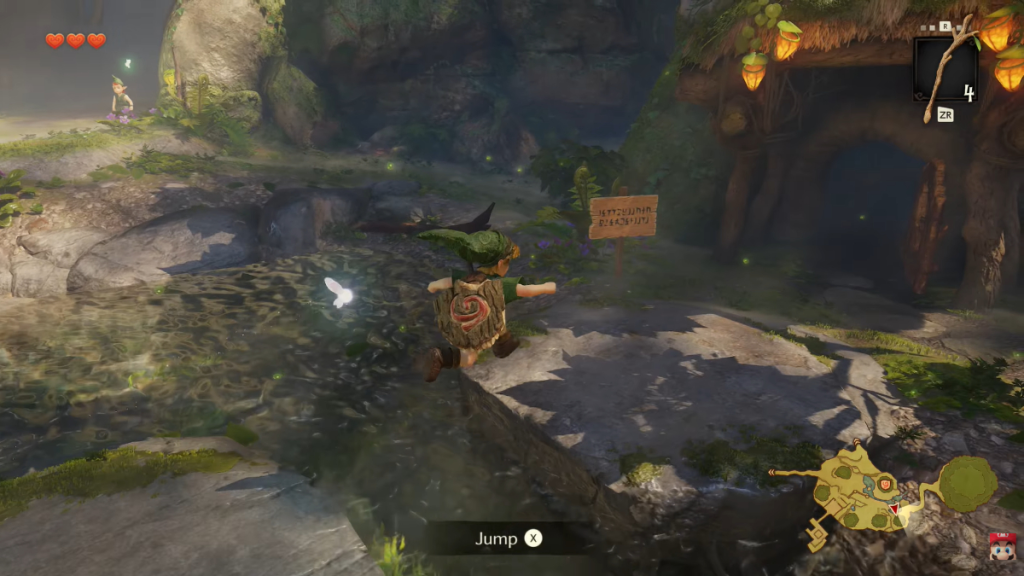
Observation: On first viewing, players tried the X button almost reflexively. Analysis: Manual jumping replaces the old auto-edge jump from 1998. You press X on Switch 2 to jump when you want to, giving you control over platforming and combat spacing. It’s a single-button change that makes exploration feel less like the game is guiding you and more like you’re choosing your moves.
A passerby mentioned they were testing ponds — Link Can Swim Underwater to Check for Resources
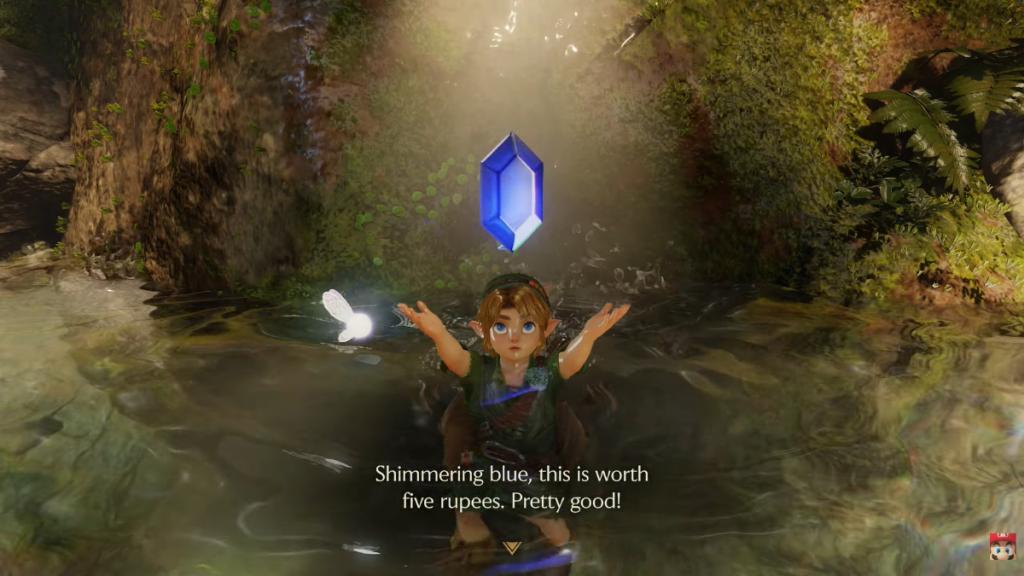
Observation: A single cutscene shows Link plunging and resurfacing to grab a blue Rupee. Analysis: You can now swim and hold A to dive underwater, and press X to swim faster. In the original you needed the Silver or Golden Scale to stay submerged longer; those items appear present but the basic act of exploring underwater is immediately accessible in the remake, which invites more curiosity in river and lake areas.
Someone leaned over and whispered during a cutscene — Characters Are Now Fully Voiced in Cutscenes
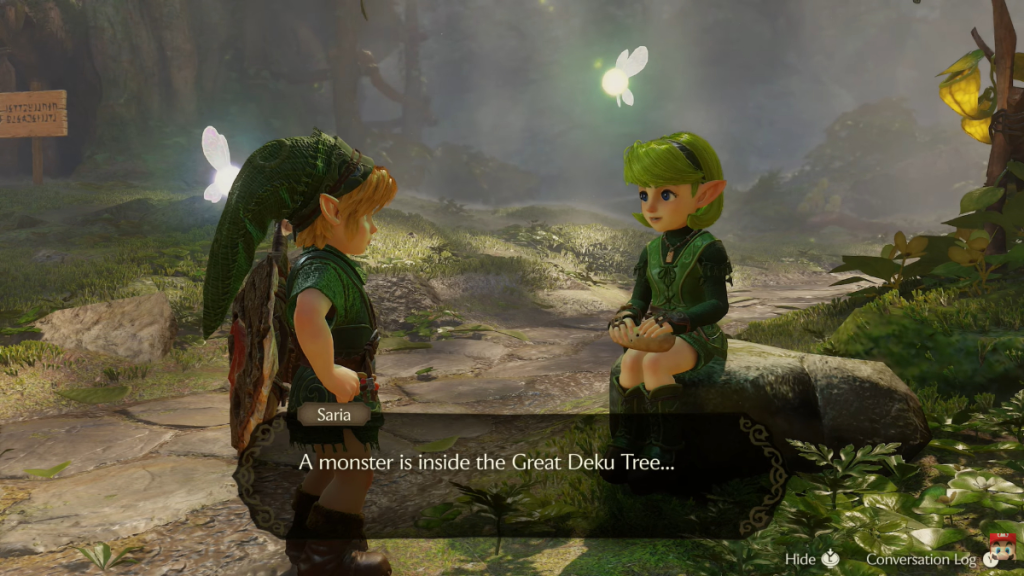
Observation: When Saria speaks, a hush fell over the stream chat. Analysis: Dialogues in cutscenes are now fully voiced and contain new lines—Kokiri Forest gets an extended conversation that adds personality to Link’s childhood relationships. This feels like a film projector throwing new light on familiar frames: the scenes you remember now carry tone and cadence that change how lines land.
At a controller-testing table I heard rapid button clicks — Link Can Now Swap Between Items
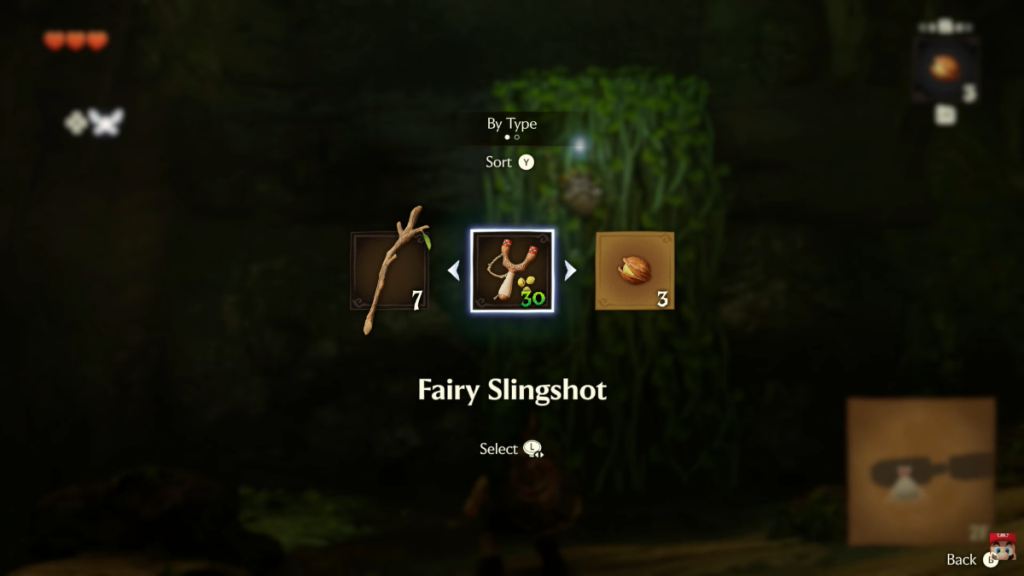
Observation: Players switched tools without pausing to test flow. Analysis: You can swap items on the fly—no pause menu assignment like the N64 C-buttons. Aim precision improved too: press the target button to steady the Fairy Slingshot and pick off wall Skulltulas and other high targets faster. It’s a quality-of-life change that keeps combat and exploration moving.
A small queue formed at a demo station — Loading Screens Return
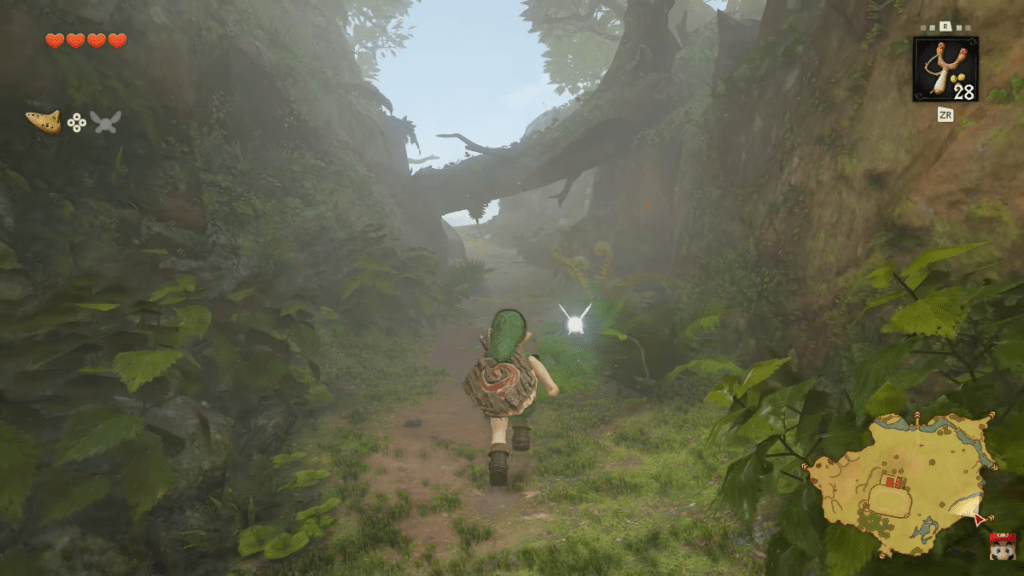
Observation: People still accept a brief pause between areas on modern systems. Analysis: Nintendo intentionally retained loading screens when moving between certain zones to preserve the essence of the original. It’s a deliberate design choice: fidelity to the original pacing rather than a purely technical upgrade to seamless streaming.
A friend asked how to track quests — New Threads of Time Feature Tracks Progress
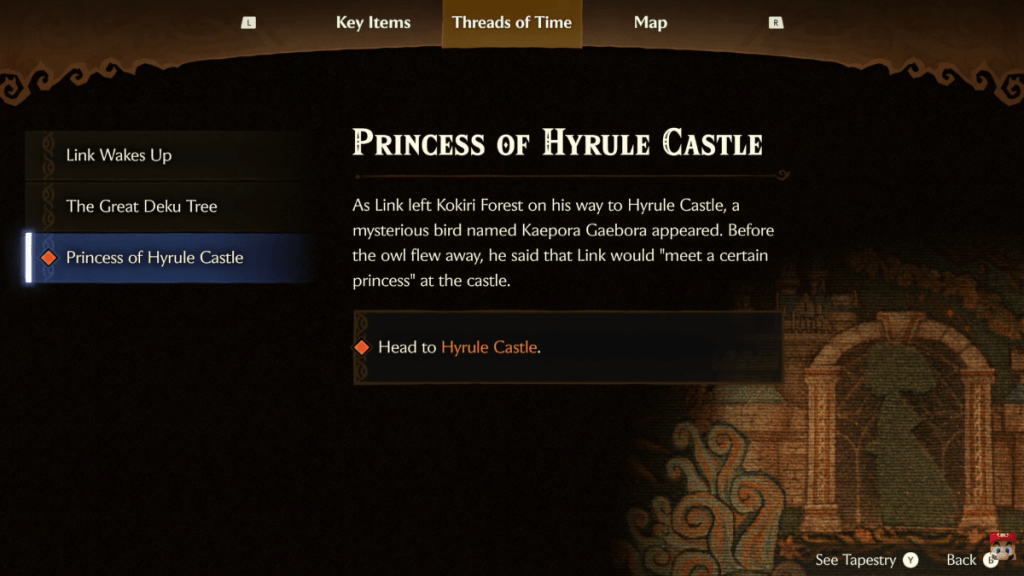
Observation: New players often ask, “What now?” when they step away from the main path. Analysis: Threads of Time is a visual tapestry that fills as you progress and lists your next objectives. It’s clearly designed for newcomers to the series, but veterans will find it useful to check story progress at any time without consulting wikis or guides on YouTube or Reddit.
A sprint across Hyrule felt different — Link Can Now Dash After Rolling
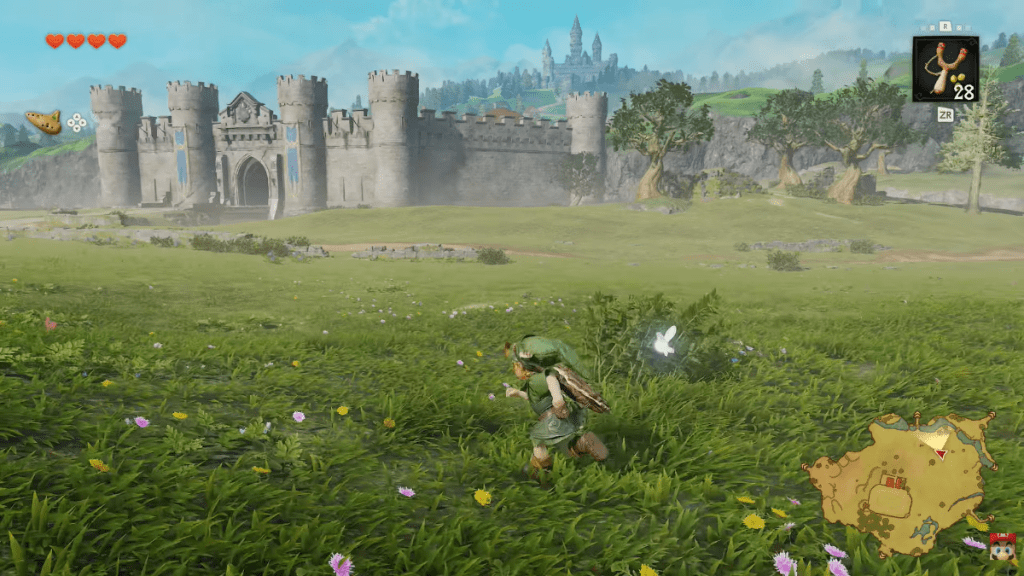
Observation: Players sprinted after rolls to close gaps faster. Analysis: Press A to roll, hold A to dash—this makes traversal snappier and reduces tedious backtracking. It’s a small control tweak with outsized impact on how quickly you move across Hyrule Field, especially as adult Link with Epona is usable for longer trips.
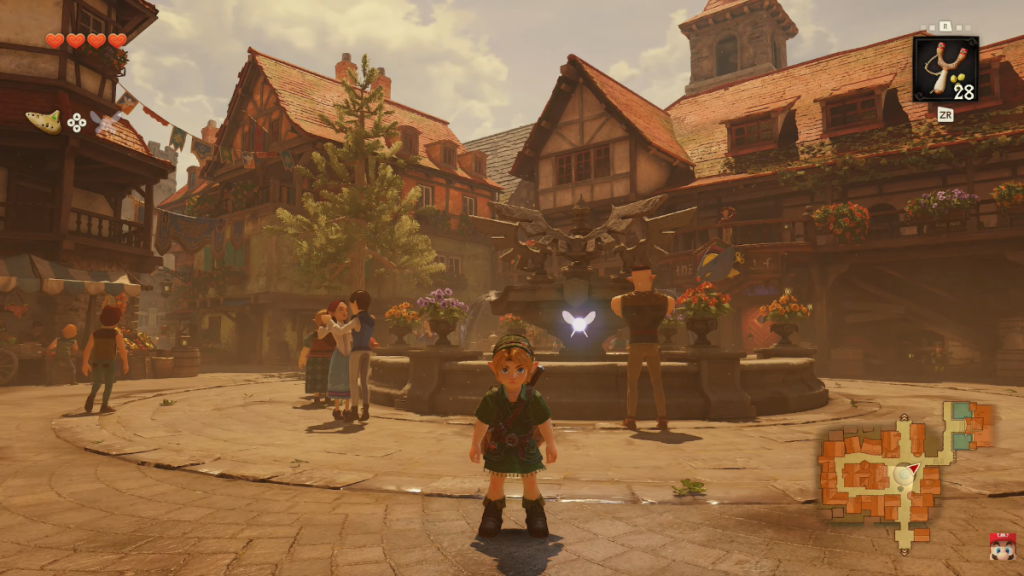
A local guide pointed out new alleys — Link Can Explore New Areas in Hyrule Castle Town
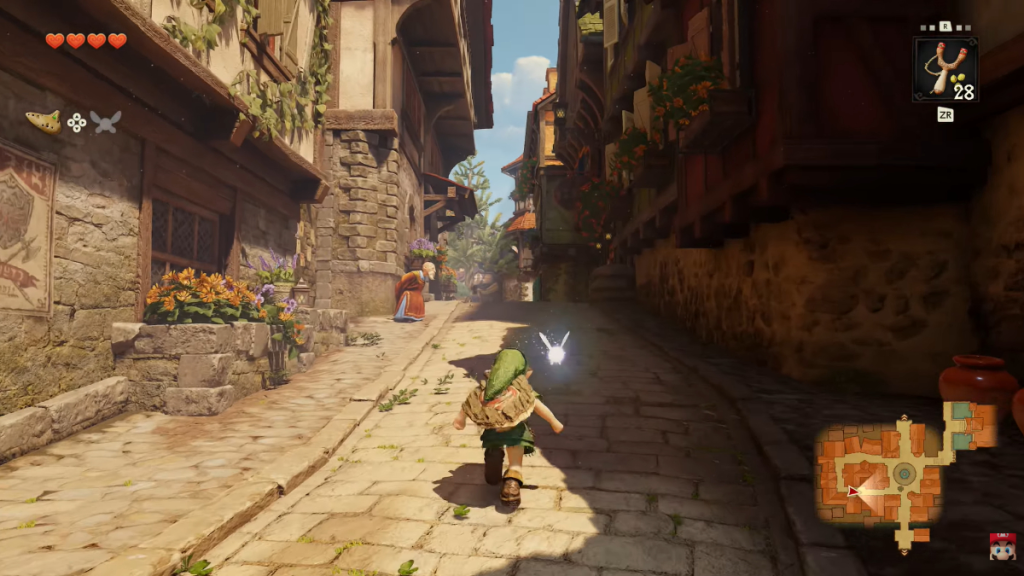
Observation: NPCs now occupy alleys that were once blocked. Analysis: Castle Town is expanded—back alleys, extra NPC interactions, shops with mini-games, and more overheard gossip. The town stops being a backdrop and becomes a space with layered activity; it rewards exploration for players who enjoy incidental stories and side quests.
A clock on the wall kept running — Time Now Progresses in Real Time Across Hyrule
Observation: A sunset scene in the trailer changed even when the camera moved indoors. Analysis: Time now progresses in real time across the world, so day/night cycles and NPC schedules continue even if you enter dungeons or indoor areas. That subtle shift changes planning for time-based events and NPC availability.
A friend tapped the Switch 2 mic — You Can Play the Ocarina Using Switch 2’s Built-In Microphone
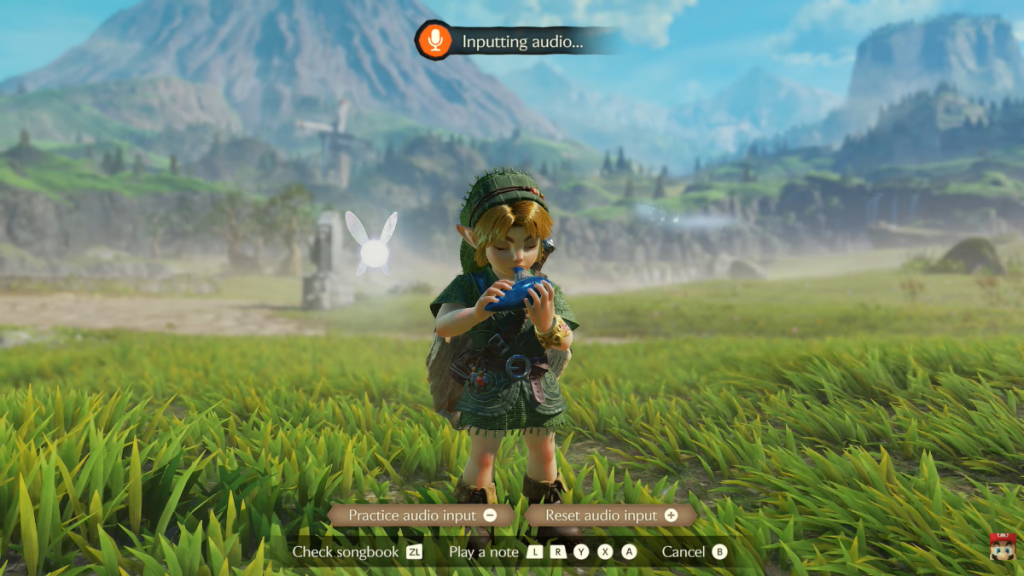
Observation: Players tried humming to trigger the same effect as button input. Analysis: Switch 2’s microphone lets you hum Ocarina melodies from the in-game songbook to trigger effects, a tactile alternative to button combos. Nintendo will also offer a physical smart Ocarina via the Nintendo Store that communicates with the game—an accessory aimed at collectors and players who want a more authentic way to play songs.
A stable hand waved at a demo — Adult Link Can Still Ride a Horse
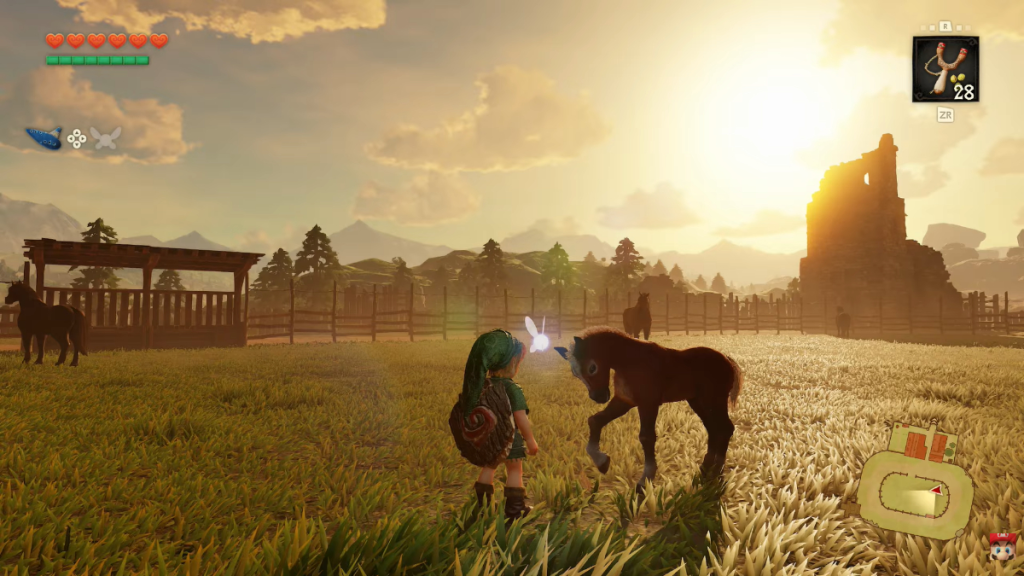
Observation: Epona still arrives when people hum the tune. Analysis: Adult Link retains horse travel, while young Link can call Epona but not use her for wide traversal until later. The new dash mechanic fills some of the mobility gap for young Link, so movement feels fresher regardless of age state.
When is the Ocarina of Time remake released?
Release timing: Nintendo announced the remake during the Zelda 40th Anniversary Direct and confirmed it as exclusive to Nintendo Switch 2. For specific launch windows and pre-order details, watch Nintendo Direct streams and Nintendo’s official store updates.
Is the remake only on Switch 2?
Platform note: Yes—the trailer and official materials confirm Switch 2 exclusivity. If you follow coverage on YouTube, IGN, or Eurogamer you’ll see hands-on previews tied to Switch 2 features like the built-in mic and controller mapping.
What are the biggest gameplay differences from the N64 original?
Quick comparison: Manual jumping, on-the-fly item swapping, dynamic time progression, voiced cutscenes, expanded Castle Town, swimming/dive controls, Threads of Time progress tracking, dash-after-roll, and microphone-based Ocarina play are the headline changes that reshape movement, pacing, and storytelling.
Tools and places to follow next: Nintendo Direct and Nintendo’s official YouTube channel for trailer drops; the Nintendo Store for the smart Ocarina accessory; and community hubs on Reddit, ResetEra, and Discord for early impressions and frame-by-frame analyses.
These tweaks mostly preserve the original’s structure while nudging the game toward modern expectations—some changes make it friendlier to newcomers, others give long-time players new moments to savor. Which change do you think matters most to how we’ll remember this version of Ocarina of Time?