
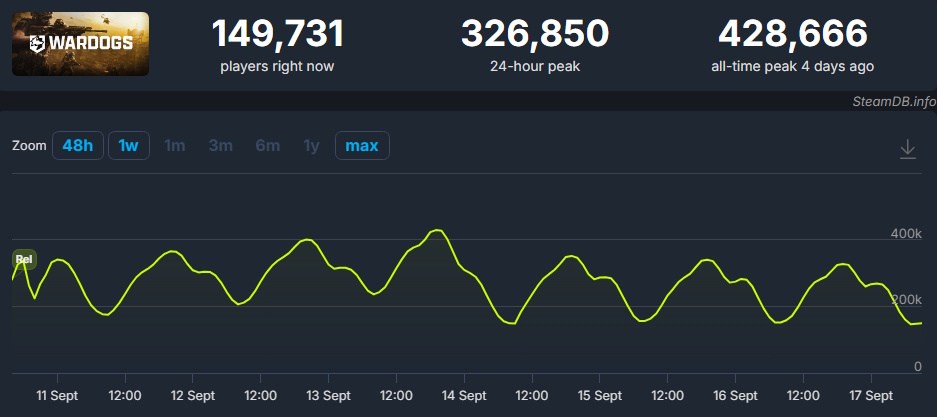
I logged into a match and watched a helicopter clip through a ridge, scattering a squad into the snow. The server queue read like a concert lineup: hundreds of thousands waiting to get in. Five days after launch, WARDOGS had sold more than two million copies and forced me to change my mind.
I was skeptical at first. You’ll hear that from me straight away: a shooter with 100 players, three teams, vehicles, logistics, an economy and forward operating bases sounded like a menu nobody wanted to read. Then millions of people bought it, streamed it, and argued about it—and my assumptions started to feel brittle.
A 100-player match with three teams on sprawling maps — I thought WARDOGS was making a mistake
I assumed modern shooter players wanted rules they could grasp in seconds. WARDOGS throws complexity at you instead: roles, progression, supply runs, helicopters, vehicle crews, base building. It looked like a game that might punish curiosity.
But complexity isn’t the same as confusion. At its core the game is simple: secure a zone, score for your side. After that, the systems intersect. You can earn value by ferrying supplies as easily as by racking up kills. That overlap is where the game starts to breathe.
Why did WARDOGS sell millions so fast?
Part of the answer lives in visibility. The devs leaned hard on creators—Shroud’s early videos amplified a moment where he learned the helicopter and admitted, "I still have a lot to learn." That sentence alone sold the idea that learning here is rewarding, not punitive. SteamDB and Steam queues, influencer clips, and paid clip contests turned those emergent moments into headlines and frictionless discovery.
Pricing helped too. WARDOGS launched as a $39.99 (€37) Early Access shooter—cheap enough to feel like an experiment, expensive enough that players assumed effort would matter. Add a refund promise if players hated it, and you get curiosity with a safety net. The result: curiosity + social proof = momentum.
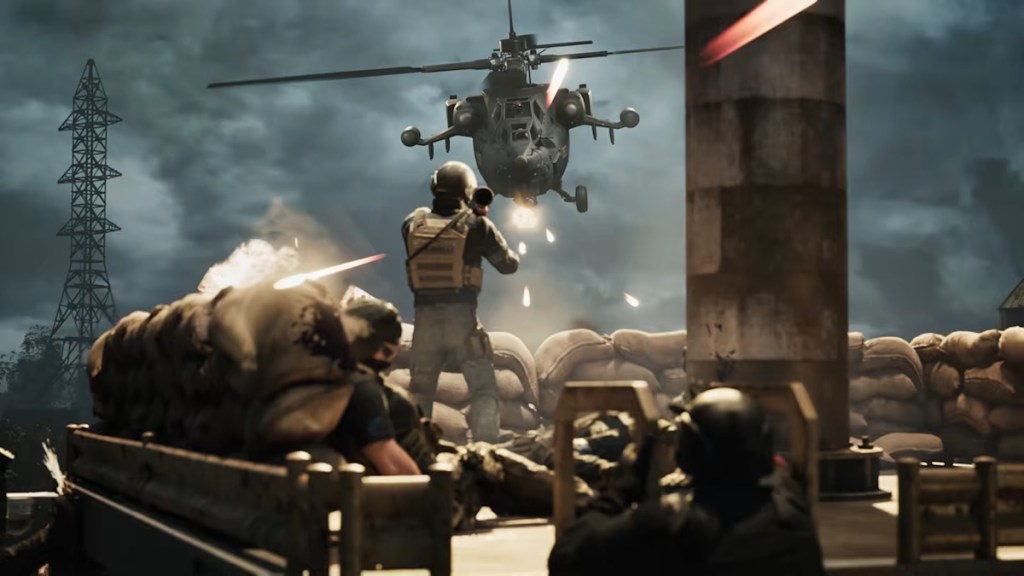
Shroud struggling with a helicopter on stream for hours — The more I learn WARDOGS, the more there is to do
I watched a dozen matches where a player arrived wanting to shoot and left wanting to pilot. Progression nudges that behavior. You can care about weapons today, vehicles tomorrow, logistics the week after.
The progression system is a Swiss watch: its gears only announce themselves when you stop one and the rest slows. That feeling—finding a mechanic you didn’t know existed and getting competent at it—creates habit-forming desire. Not every player will spend 20 hours mastering flight, but many will stay because there is always one more thing to try.
Is WARDOGS worth $39.99 (€37)?
If you value immediate, flat-out twitch skill, maybe not. If you value emergent stories, teamwork roles, and moments that feel earned, it likely is. The refund policy reduced the risk, which in marketing terms converted hesitant buyers into trial players. Add creator-driven virality and you’ve got a system that rewards curiosity and social proof.
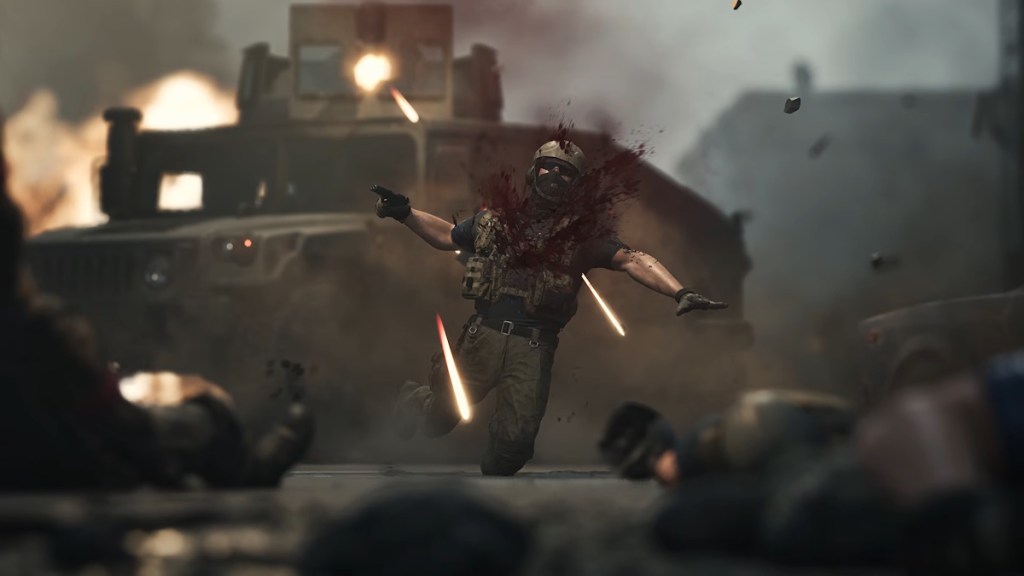
A squad flying behind enemy lines and detonating an artillery ring — Complexity can create the moments I remember
Complicated games let systems collide. When they do, you get sequences that are messy, improbable, and memorable.
Those collisions produce what I’ll remember: a supply driver who never fired a shot but won the match; a helicopter insertion that decimated an objective; a repair team that turned a lost base into a comeback. These are the moments you retell, clip, and share. They land like meteor strikes—brief, bright, and impossible to ignore.
How is WARDOGS different from VALORANT and Counter-Strike?
Those games are tightly controlled arenas where mechanics must be mastered for predictable outcomes. WARDOGS is a sandbox with rules that can be combined. Titles like XDefiant and Concord went the more familiar, arcade route and failed to keep traction; Ubisoft pulled XDefiant development, and Concord peaked at 697 concurrent players before Sony took it offline. Familiarity no longer guarantees an audience.
WARDOGS instead sold the messy, social stories and gave creators a playground. That contrast is why people compare BULKHEAD’s approach to what publishers like Ubisoft tried—and why streamers and platforms turned WARDOGS into a spectacle overnight.
Server queues in the hundreds of thousands and cash contests on clip feeds — WARDOGS knew how to sell its complexity
The marketing leaned into openness. The devs didn’t hide systems; they framed complexity as a feature and backed it with refunds and prize money. That honesty let creators surface the fun, accidental moments and made the game feel discoverable rather than intimidating.
Tools like SteamDB provided the data that fueled headlines. Streamers provided the narrative. Developers provided the safety net. Those three forces combined to turn complexity into a selling point instead of a warning label.
Two million copies in less than five days on a $39.99 (€37) Early Access price — Maybe shooter players want more than I thought
WARDOGS doesn’t prove that every complicated shooter will win. Early Access is a proving ground, and retention will tell the real story. But the launch does prove a psychological point: players will put in the work if the payoff is meaningful, social, and sharable.
I entered the match ready to criticize a game that seemed to demand too much, and left reconsidering what keeps me and other players coming back. Are we finally tired of being told exactly how to play, and ready for games that hand us systems and trust us to make stories out of them?