
I froze on a clip of Lucia in a club—sweat soaking her hair, a drink clutched tight. For a beat I forgot I was watching a trailer and not a documentary, and you feel that hesitation too. That moment—when a digital face betrays effort—explains why Rockstar spent years chasing tiny truths.
I followed Jason Schreier’s reporting on Bloomberg and his October 14, 2026 YouTube breakdown, and I want to walk you through what that clip means for GTA 6. You’re about to see how a scripted sweat system changes the texture of a world you’ll spend hours inside.
In a strobe-lit club people sweat harder — Rockstar scripted sweat tied to activity
Observation: In real clubs, bodies shine and clothes darken after a few songs.
Schreier reported that Rockstar built a scripted system that adjusts sweat based on exertion. If Lucia or Jason are dancing hard, the engine ramps up perspiration; if they stroll, they stay comparatively dry. I watched the Extended Look and that club cut—Lucia drenched and breathing—felt intentional. The effect is small but insistently human: sweat soaked her hair like watercolor bleeding through paper.
How realistic is GTA 6’s sweat system?
Schreier’s sources at Bloomberg and the footage on YouTube suggest realism is tactical, not flashy. It’s driven by scripted triggers tied to animations and activities, similar to high-fidelity visual layering used in modern cinematic engines. Think of it as an extra animation pass meant to read at glance.
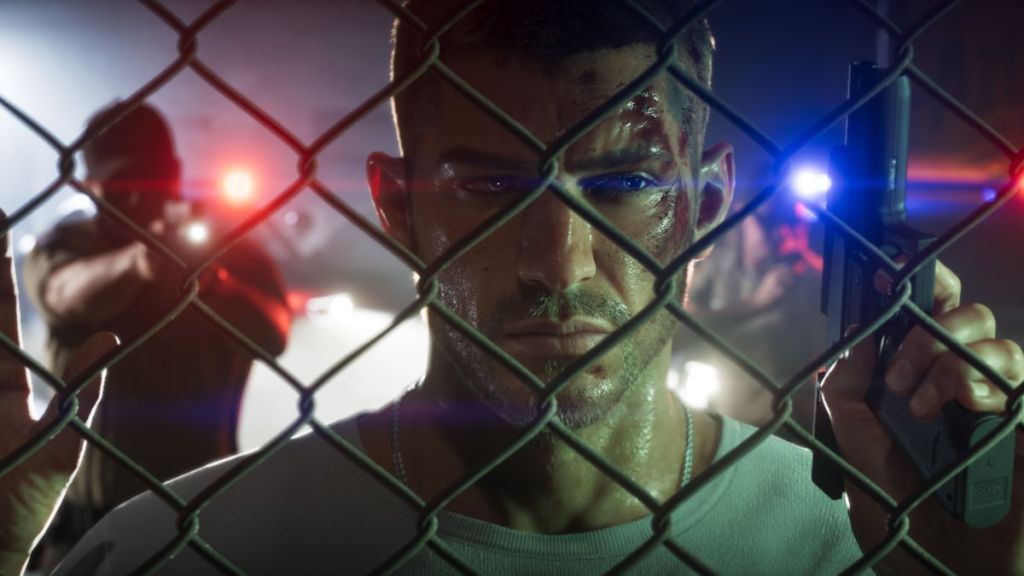
Next to a campfire you notice shine on skin — What GTA 6 borrows from Red Dead Redemption 2 and takes further
Observation: In Red Dead Redemption 2 a campfire could make Arthur look glossy within seconds.
Rockstar has used sweat mechanics before—RDR2 tied perspiration to temperature and weather, and it added polish to the world. GTA 6 applies that idea but layers activity-driven scripts on top of environmental factors. The result is a broader net: heat and exertion, social settings and animations, even NPC crowd behavior are candidates for the same system.
Do NPCs sweat in GTA 6?
Yes—Schreier says the system scales beyond protagonists to NPCs. That means a busy gym, a packed nightclub, or a summer street can show a hundred different muffled glosses and drips, creating ambient cues that read even when you’re not focused on a single character.
When you play, small sensory cues decide immersion — Why this matters for gameplay and player perception
Observation: You judge authenticity by tiny details—how someone breathes, how clothes cling after running.
This isn’t a new gameplay mechanic with meters and penalties; it’s a fidelity layer that supports storytelling. Players won’t earn rewards for sweating, but they’ll feel scenes, choices, and consequences more viscerally. Rockstar stacks these tiny signals like dominoes that nudge you deeper into a scene: each one alone is slight, but together they shift perception.
Will sweating affect gameplay in GTA 6?
Not in the traditional sense. There’s no public evidence the system changes stats or unlocks mechanics. Its primary job is immersion—helping NPCs and protagonists read as active, effortful beings. That said, visual cues can shape behavioral reads; a suspiciously sweaty suspect may feel guiltier in the moment, and that alters player decision-making.
Rockstar, Bloomberg’s Jason Schreier and the YouTube Extended Look all point to a mature dedication to detail—the kind of work that can turn a city into a convincing crowd of people who feel taxed, tired, thrilled, or worn. You’ll notice it in pauses, in steering wheel grips, and in how a night out leaves characters a little damp and more believable.
Is a bead of pixel sweat enough to change how we judge a scene or a character?