
I pressed play on a YouTube tour expecting a coach’s hobby. Instead I felt my expectations shift: a full city, block by block, built by a man known for playbooks, not pixel plans. For a moment I forgot who he’d coached—I was thinking about his skyline.
I’ll keep this simple: I want you to see why Mike Tomlin’s Minecraft project matters beyond celebrity novelty, how it was built, and what you can actually do with it today. Read fast or scroll slowly—I’ll point to the platforms and the parts you’ll want to revisit.
In a studio interview under the lights: Who is Mike Tomlin?
You know him from the sidelines. I know him from a webcam tour.
Mike Tomlin spent 19 seasons leading the Pittsburgh Steelers (2007–2025), earned a Super Bowl XLIII ring, and now appears on NBC Sports’ Football Night in America as an analyst. Off-camera, his kids handed him a controller and a creative-mode world; what started as a pastime became an obsession with architecture and urban design.

Who is Mike Tomlin?
He’s the former Steelers head coach turned NBC analyst who quietly spent more than a decade building a Minecraft city his way. In interviews with Craig Melvin, he’s described the project as therapeutic—less combat, more architecture.
On a quiet Sunday afternoon at home: What does Mike Tomlin’s Minecraft world look like?
I watched the camera glide over a waterfront and thought: this is urban planning, not random blocks.
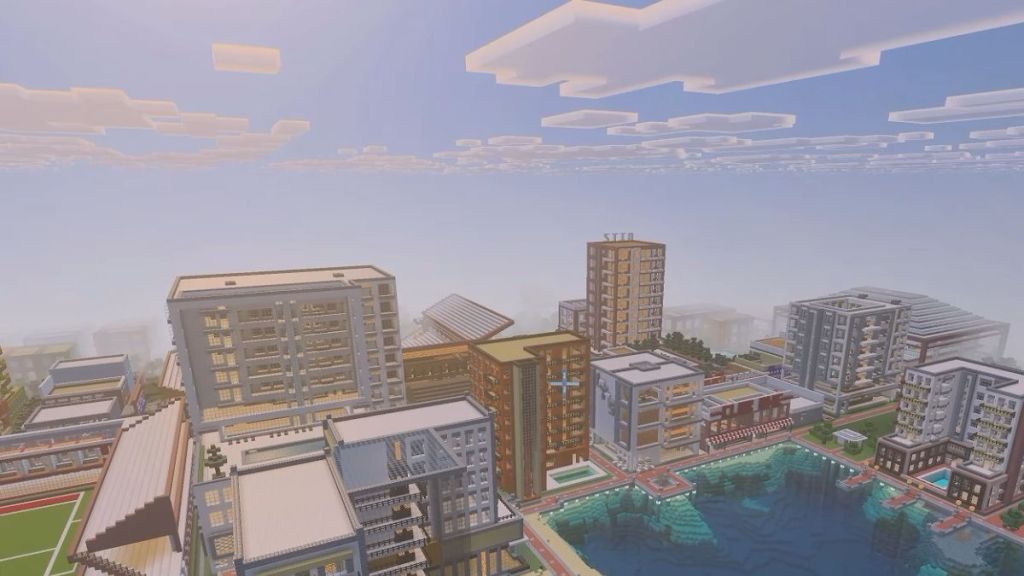
Tomlin’s city centers on a large body of water and groups buildings into readable districts: waterfront commerce, residential towers, parks, and stadiums. He didn’t stack skyscrapers for show—he designed people-sized interiors, hallways that make sense, and apartments that feel lived in.
I’ll give you a quick tour of the highlights he showed:
- Waterfront boutique hotel — full lobby, reception, indoor/outdoor restaurants, balconies, a spa, conference room, and a hidden basement speakeasy with a kitchen and staff area.
- High-rise apartments with central aquariums — towers built around water features; each floor contains furnished units with distinct themes.
- Luxury rooftop penthouses — theaters, rooftop bars, kitchens with islands, Jack-and-Jill bathrooms, and outdoor terraces designed for entertaining.
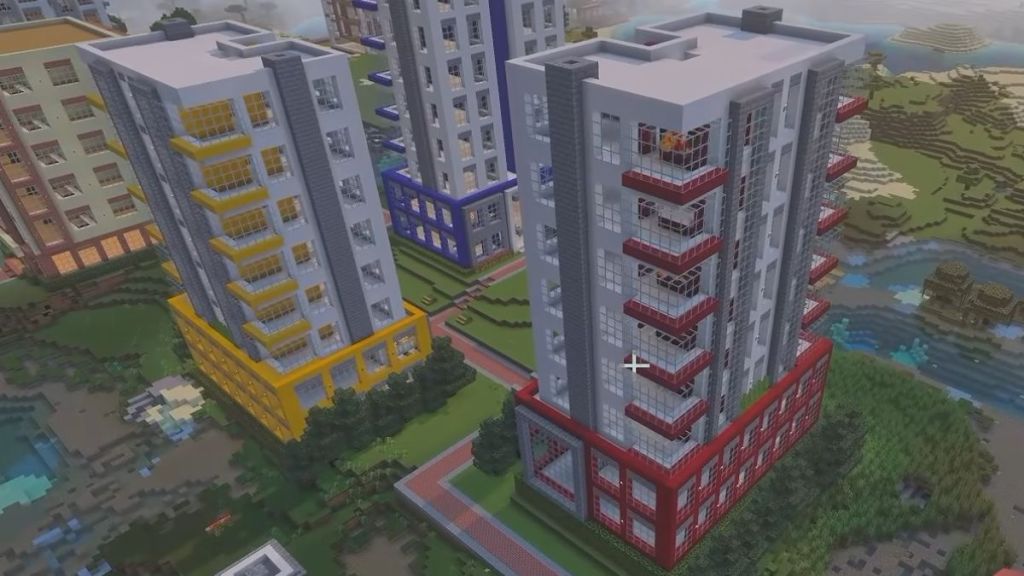
- Sports venues and communities — a baseball park and an MLS-style stadium sit near residential complexes called The View, three color-coded buildings with shared floorplans.
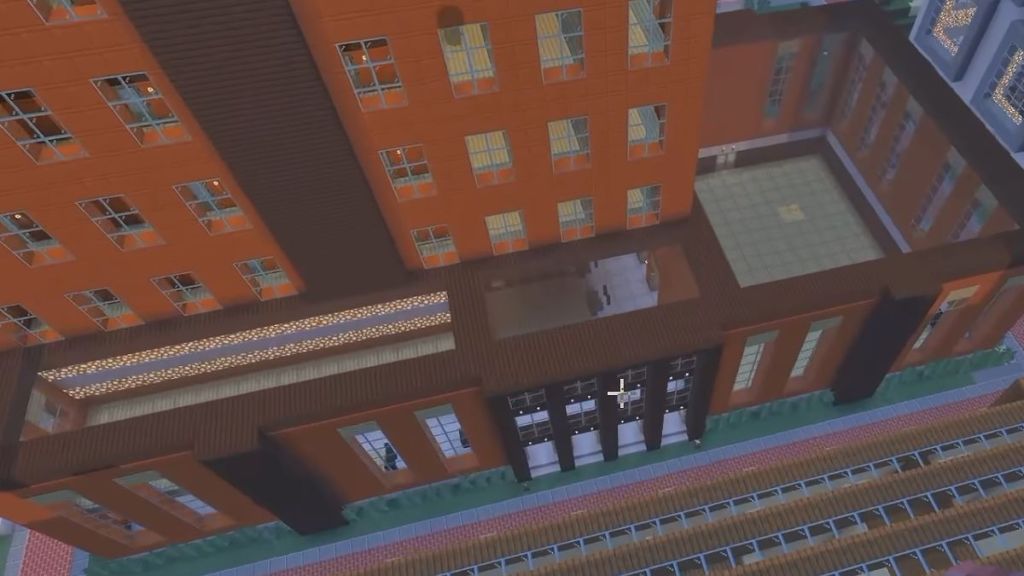
He arranges interiors using varied blocks—concrete slabs and sandstone to change mood—so rooms read differently from the street. The result feels curated, as if a former head coach applied play-calling discipline to tile and glass. He builds like a meticulous architect sketching a real skyline on graph paper.
What does Mike Tomlin’s Minecraft world look like?
It appears as a modern coastal metropolis with lived-in details: hospitality, residential towers, rooftop living, athletic venues, and public spaces. The YouTube episode labels the first drop: “EP 1: ROOFTOPS, PENTHOUSES, AND URBAN LIVING” (released September 20, 2026).
At a kitchen table while his kids nagged: How long did it take—and why does it matter?
He told Craig Melvin he started around 2013–2014; that timeline stuck with me.
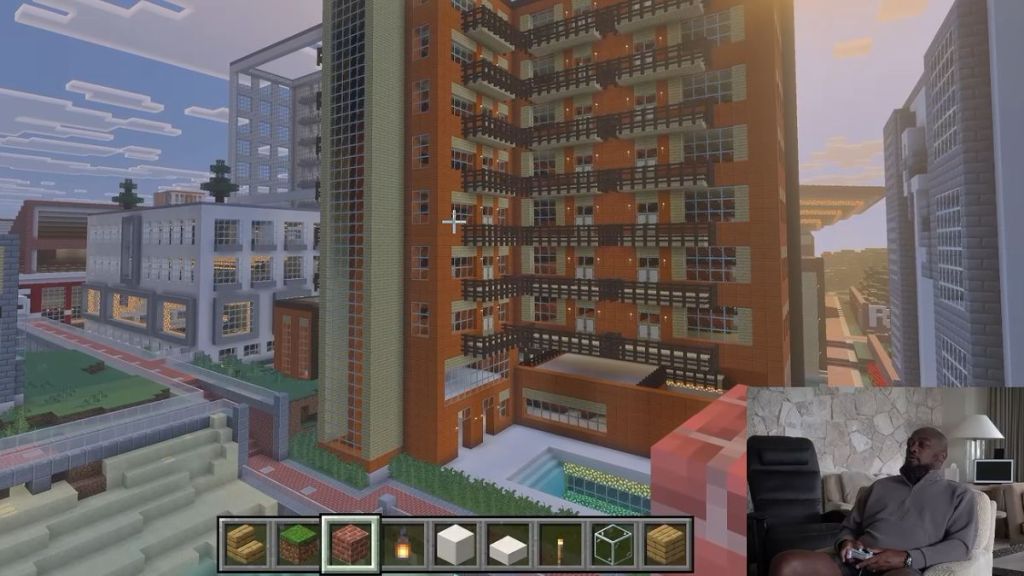
More than 12 years of work turned a casual hobby into a city-sized project. For Tomlin it was therapy—an alternative to screening TV—where planning, repetition, and small design choices mattered. The city functions on attention to detail: the circulation in hallways, service areas behind restaurants, elevators and public restrooms that act like real infrastructure.
The pieces fit so smoothly the whole setup feels as precise as a Swiss watch, which explains why viewers keep pausing his tour to rewind and study a balcony or a staircase.
At my keyboard while I hunted the world file: Can you roam Mike Tomlin’s Minecraft world?
I checked the usual places—YouTube, Planet Minecraft, and community servers—then asked myself whether he’d release a world file.
Can you roam Mike Tomlin’s Minecraft world?
Not right now. Tomlin has shown segments on YouTube but hasn’t published a verified world download. If he ever shares a save it could appear in several ways:
- Direct world download for Minecraft Java or Bedrock (common on Planet Minecraft and CurseForge).
- A packaged add-on or map for the Minecraft Marketplace (official route, requires Mojang approval).
- A server or LAN session streamed on Twitch or YouTube where viewers can join live.
For now the only reliable way to explore is Tomlin’s YouTube series. If you want to study his techniques, watch at 0.5x speed, take screenshots, and compare block choices—community builders on Planet Minecraft and Reddit often recreate striking rooms and post schematics and tutorials.
In the comment threads and Discord servers: What this means for Minecraft culture
When a public figure treats Minecraft like a long-term creative practice, communities notice.
This is part celebrity project, part lesson: creative-mode Minecraft has become a place where architects, modders, and streamers (Twitch, YouTube) experiment together. If Tomlin opens his world, expect builders to extract interiors, recreate penthouses, and create themed servers. Tools people will use include world editors (MCEdit alternatives), region extractors, and schematic managers used across Java and Bedrock editions.
And if you’re thinking about trying a build of your own—whether small cottages or full cities—this shows a simple truth: steady hours and consistent style beat flashy one-off builds when it comes to storytelling through blocks.
So tell me—if a former NFL coach can spend 12 years crafting a city in Minecraft, what will you spend your next dozen hours building?