
I was on my couch, blinking at the screen as Gamera tore his arm free and kept the child he’d been rescuing safe. The room felt suddenly smaller, like every childhood Godzilla argument had been rerouted. At that exact instant I realized I was no longer just a Godzilla fan—I had been Gamera-pilled.
At Blockbuster I learned to love monsters: why I expected Gamera to be a knockoff
You remember the carpeted aisles and the ritual of begging for one more VHS. I grew up there, and Godzilla shaped that childhood—his wartime origin myth, his ambiguous morality, the way Toho kept changing his face. So when I first heard about Gamera, I filed him mentally as the cheaper Bruce Li to Godzilla’s Bruce Lee.
Is Gamera just a Godzilla rip-off?
No. On the surface they’re both big, angry reptiles who torch cities and battle stranger beasts. But beneath the suits the films are answering different questions. Godzilla often plays antihero or force of nature. Gamera is cast as protector—an obvious guardian who bleeds for people, who shields children and absorbs pain in ways Godzilla rarely does. That shift in moral spine changes everything.
On Pluto I burned through Kaneko’s trilogy: how the modern Gamera reformed my fandom
I pressed play on Gamera: Guardian of the Universe, then kept going through Gamera 2: Attack of Legion and Gamera 3: Revenge of Iris on Pluto. The trilogy is a tight, bruising new-school run: practical suits, earnest digital compositing, and a script that centers people without sidelining the monster fights.
Where can I watch the Gamera trilogy?
Availability shifts—when I watched these they were on Pluto. They also surface on AVOD services and on physical releases by Kadokawa (so check streaming catalogs and Blu-ray labels). If you love extras, look for releases that include director interviews and restoration notes; they change how you see those practical effects up close.
At the climax of Revenge of Iris I audibly cheered: what made Gamera feel heroic
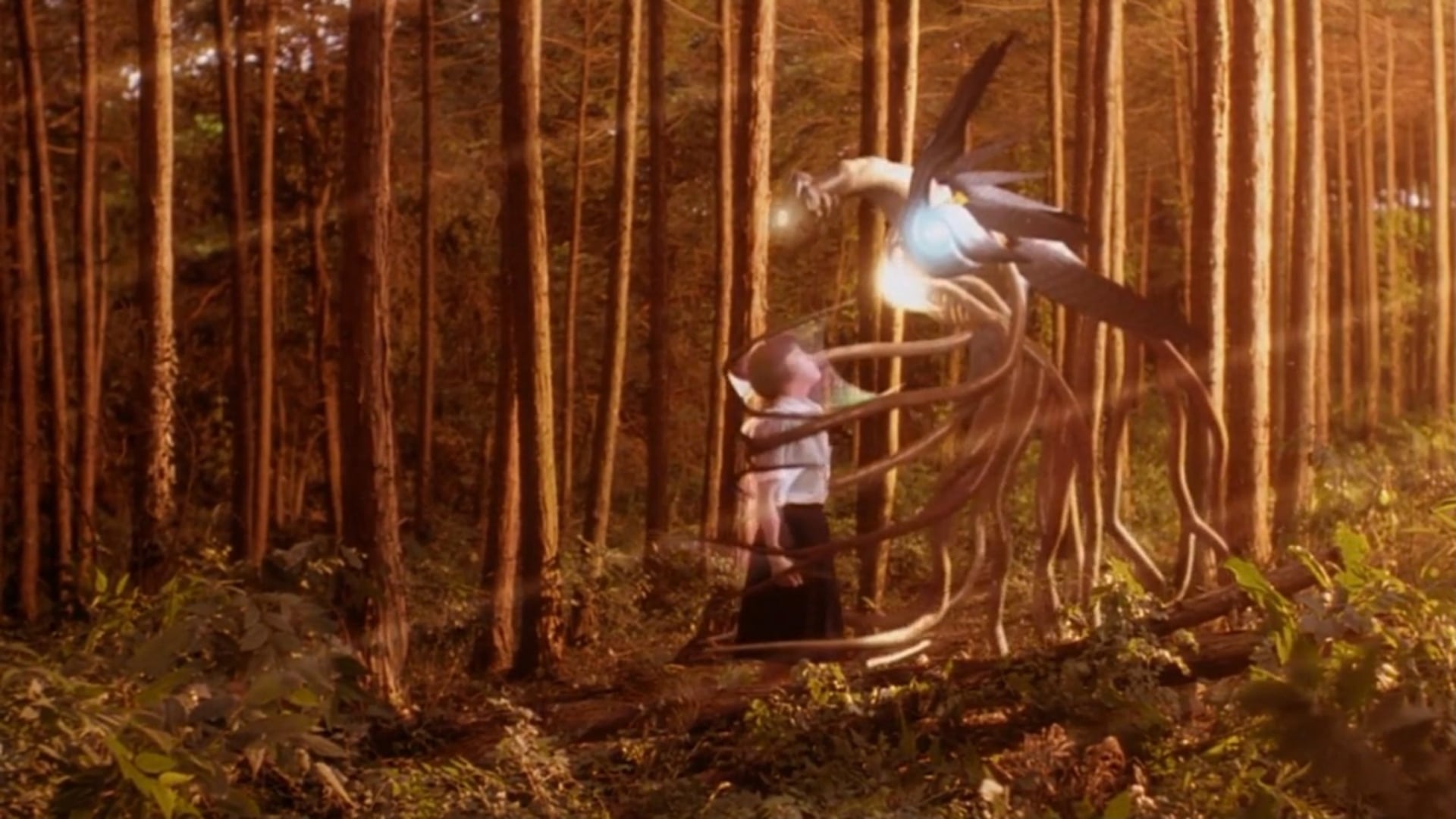
Half his arm buried, the other pinned—Gamera chooses to sever his own limb to save the child fused to Iris and then regenerates it. That scene flipped a switch for me. Gamera isn’t just powerful; he is sacrificial, relational, and weirdly spiritual.
Why is Gamera considered a hero?
His power is tied to human faith and cooperation. Kaneko’s films make that literal: talismans, shared pain, kids who sympathize and fuel his strength. He’s less a solo cosmic engine and more a living symbol of collective responsibility. Gamera’s victories feel like communal buzzer-beaters—sudden, overwhelming catharses that land hard because the human story mattered first.
『ガメラリバース』はいいぞ pic.twitter.com/MgO4y6H1tn
— やしろ学/Manabu YASHIRO (@yashiro_manabu) November 19, 2026
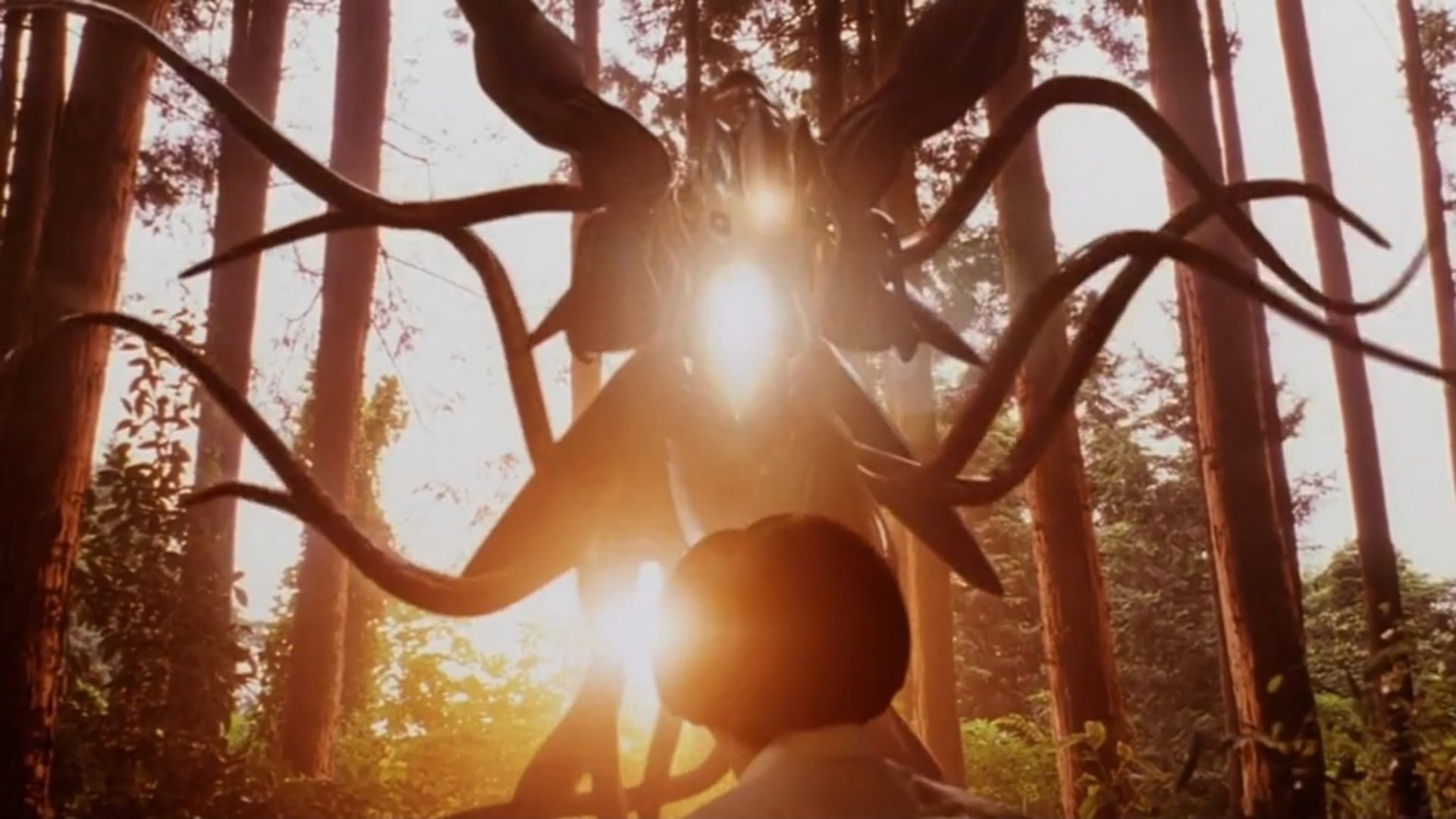
At times the trilogy looks like a sunrise on a ruined city: why the effects matter
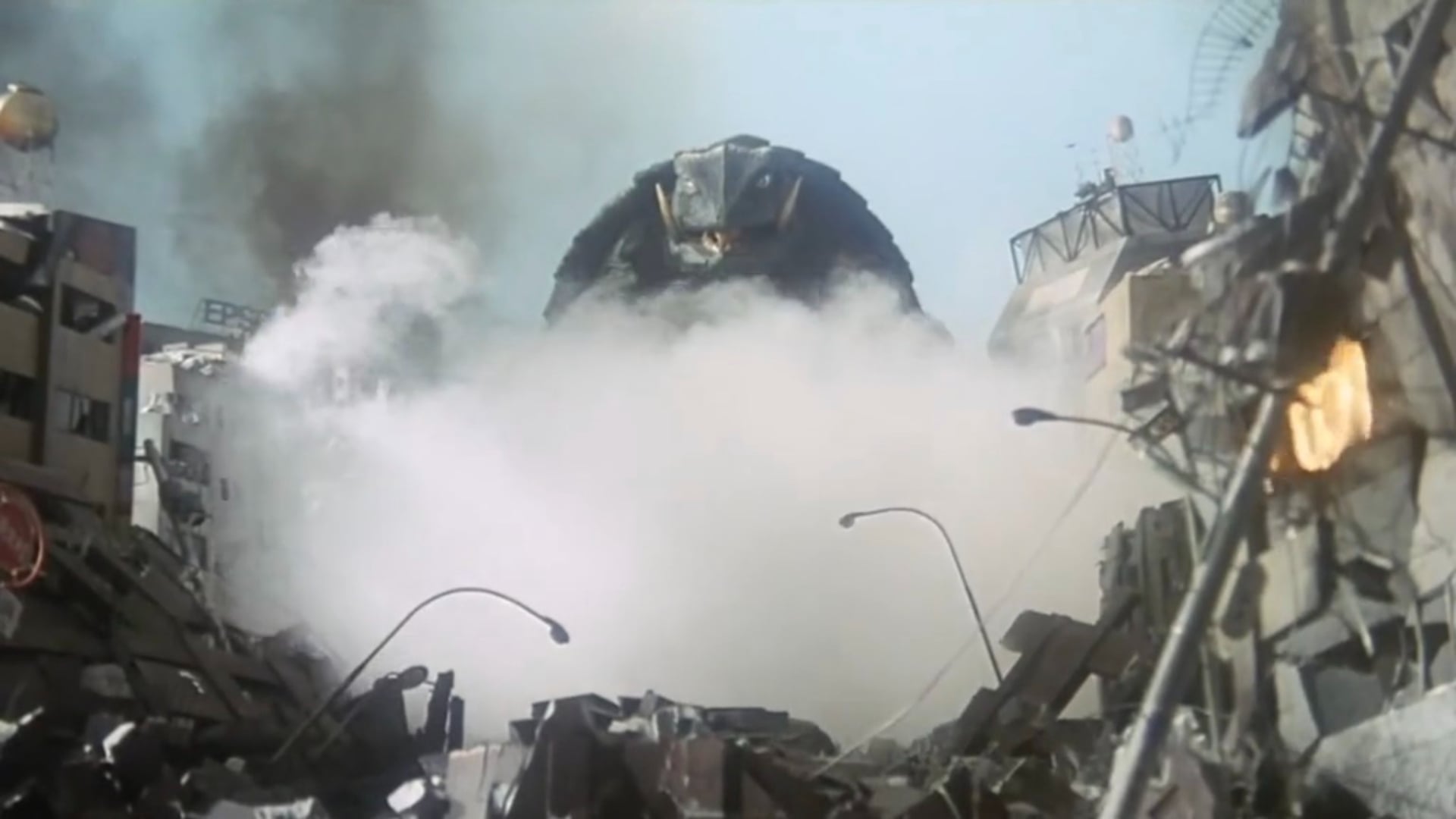
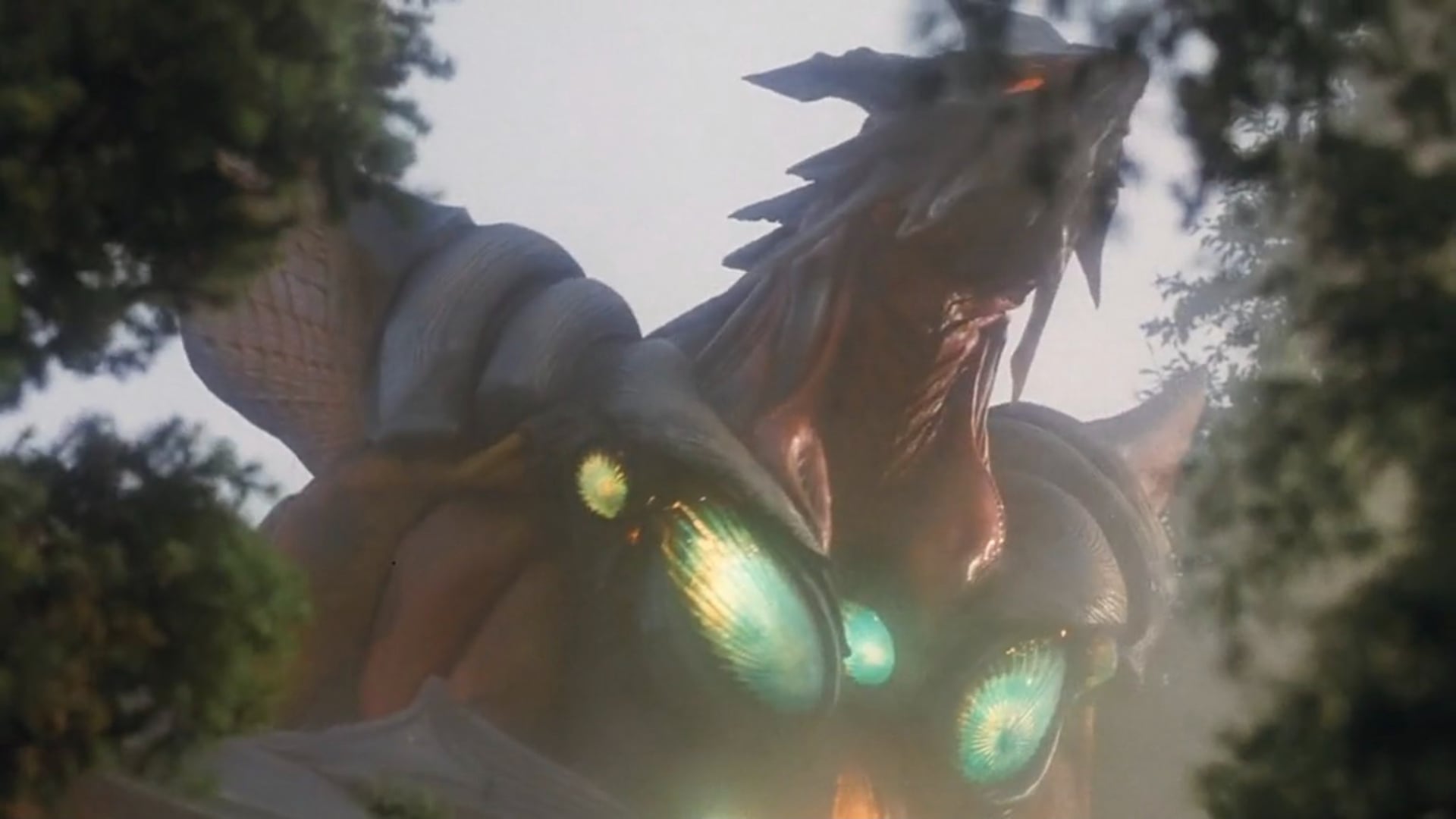
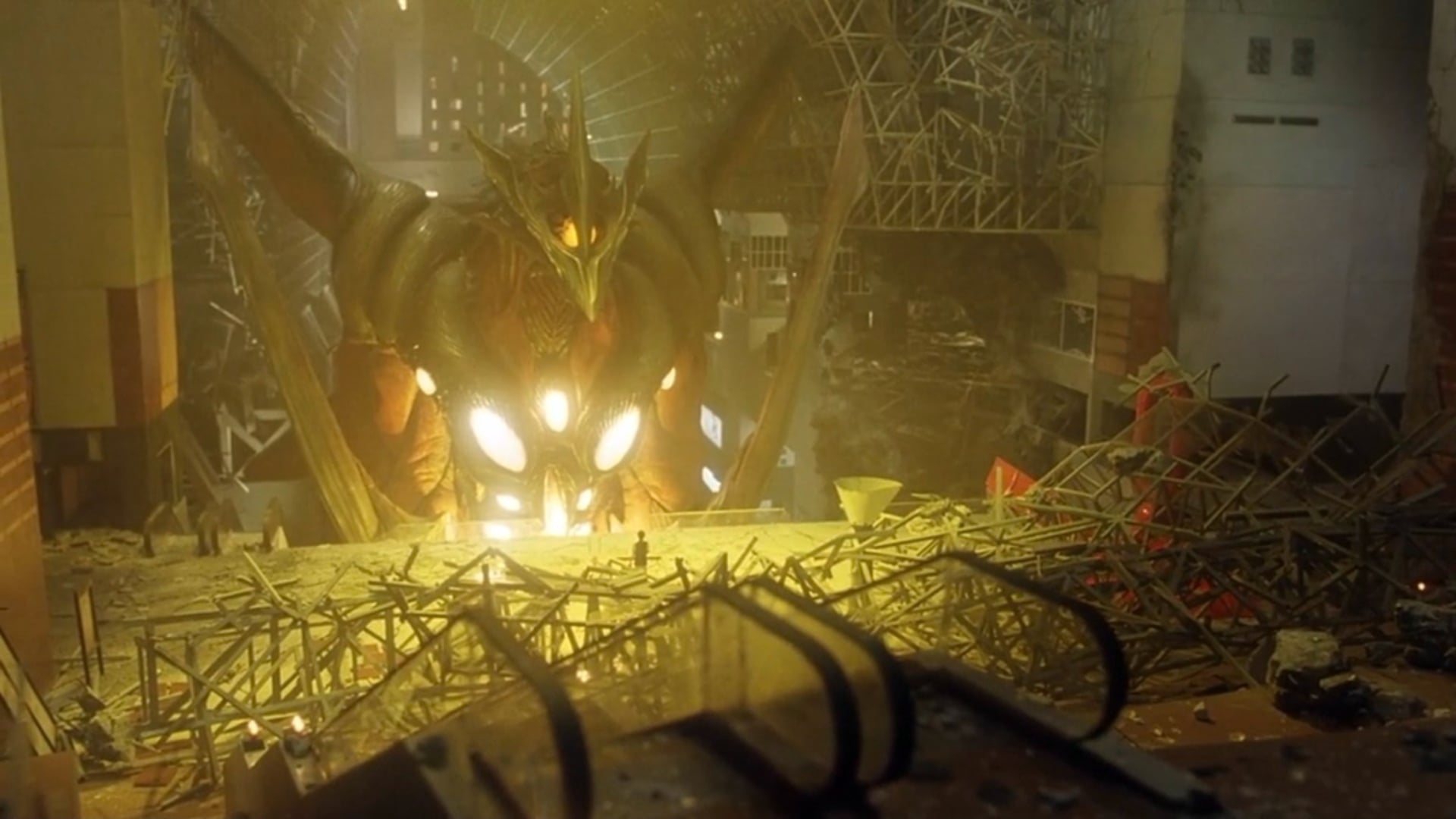
Kaneko’s compositing sits somewhere between tokusatsu TV and bold cinema experiments. The suits and models aren’t photo‑real in a modern Hollywood way—and that’s the point. The craft keeps kayfabe alive. When a skyscraper collapses, you feel it because the film asks you to.
Gamera bleeds—green goo, gashes, anguish—and the camera treats that bodily damage as narrative weight. He gets bombed, mauled, and still shields humans. Those moments are visceral and, frankly, tender. My reaction was not scholarly; it was reflexive. I rooted for him like a parent at a school recital.
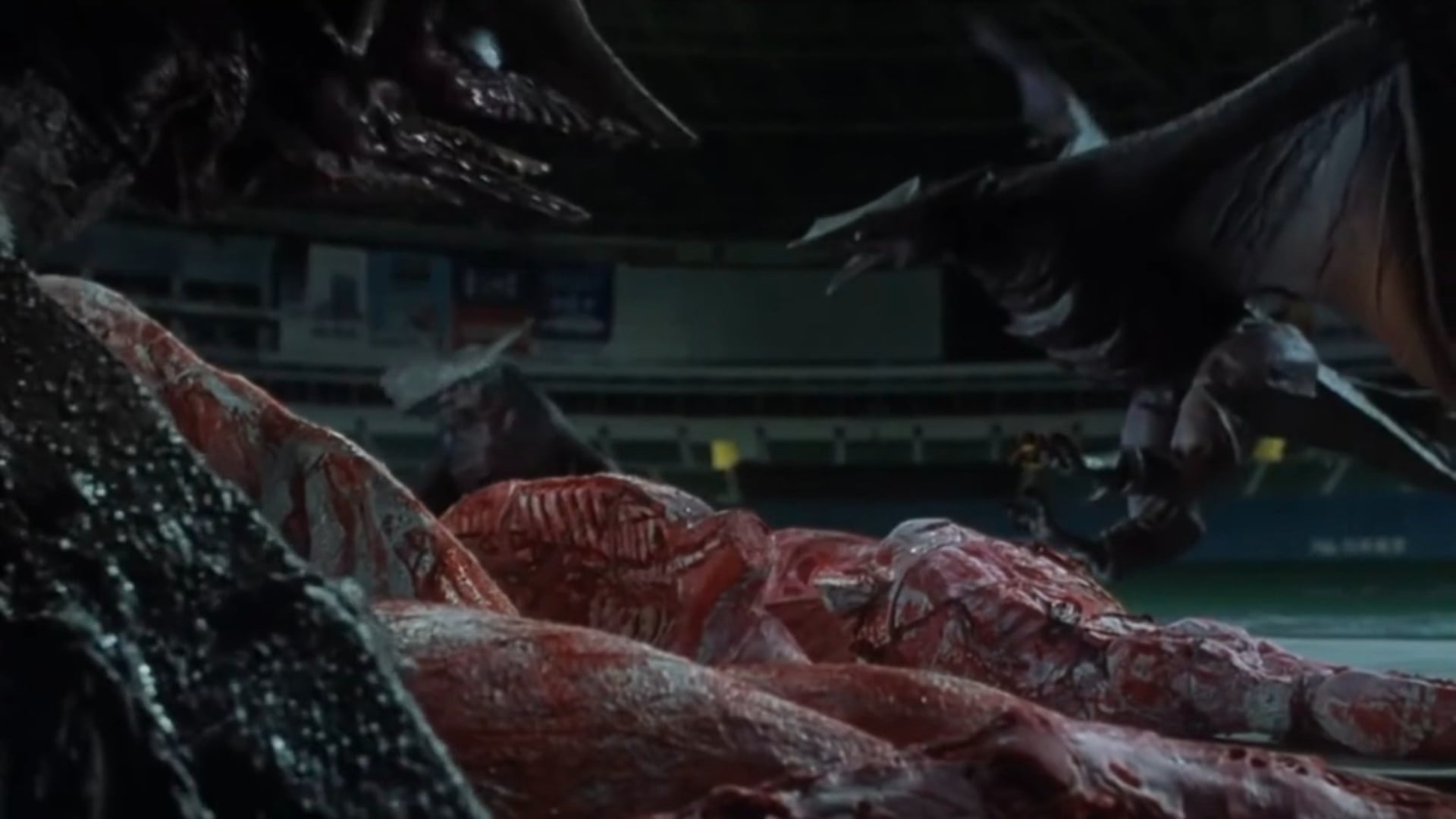
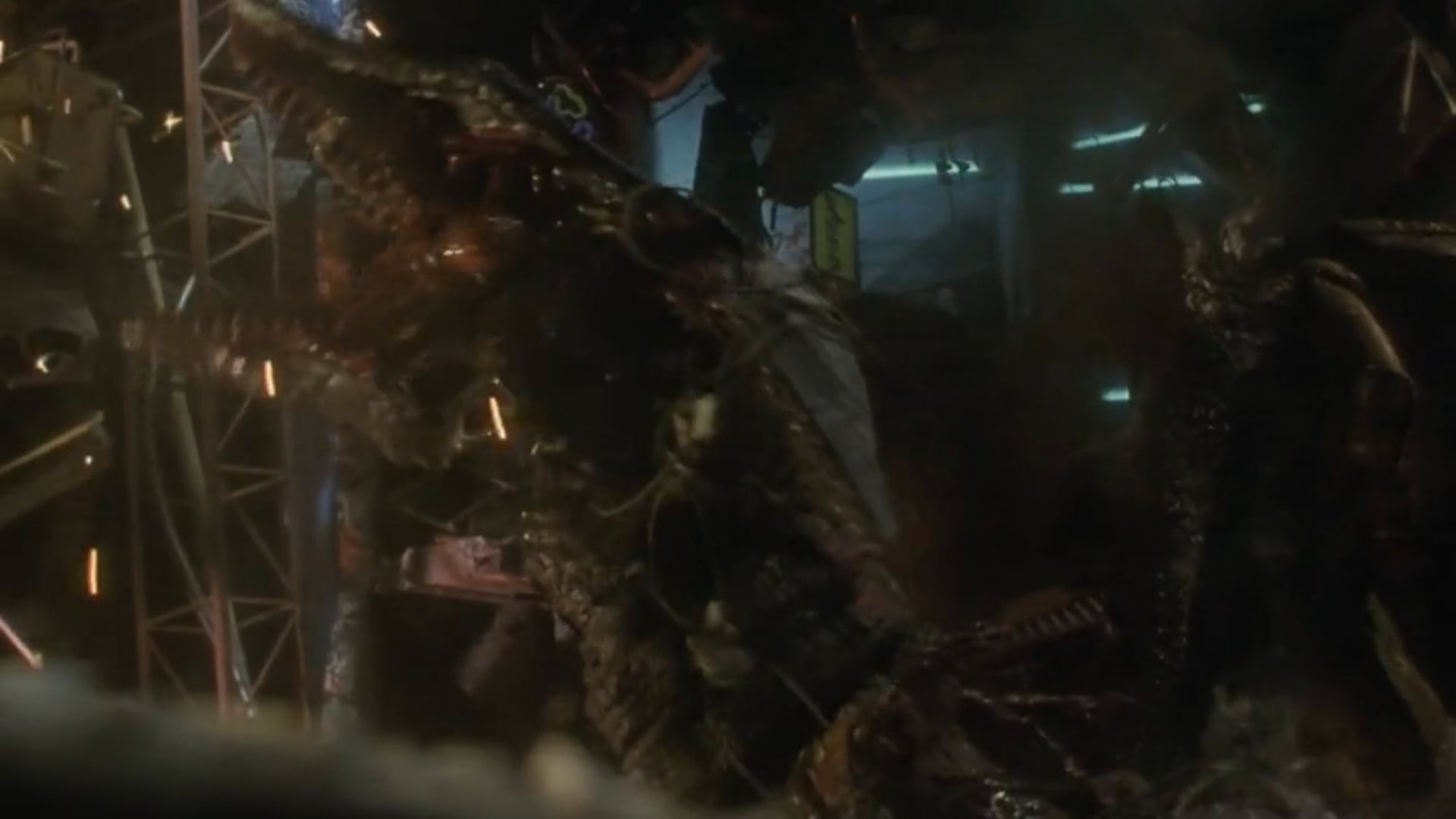
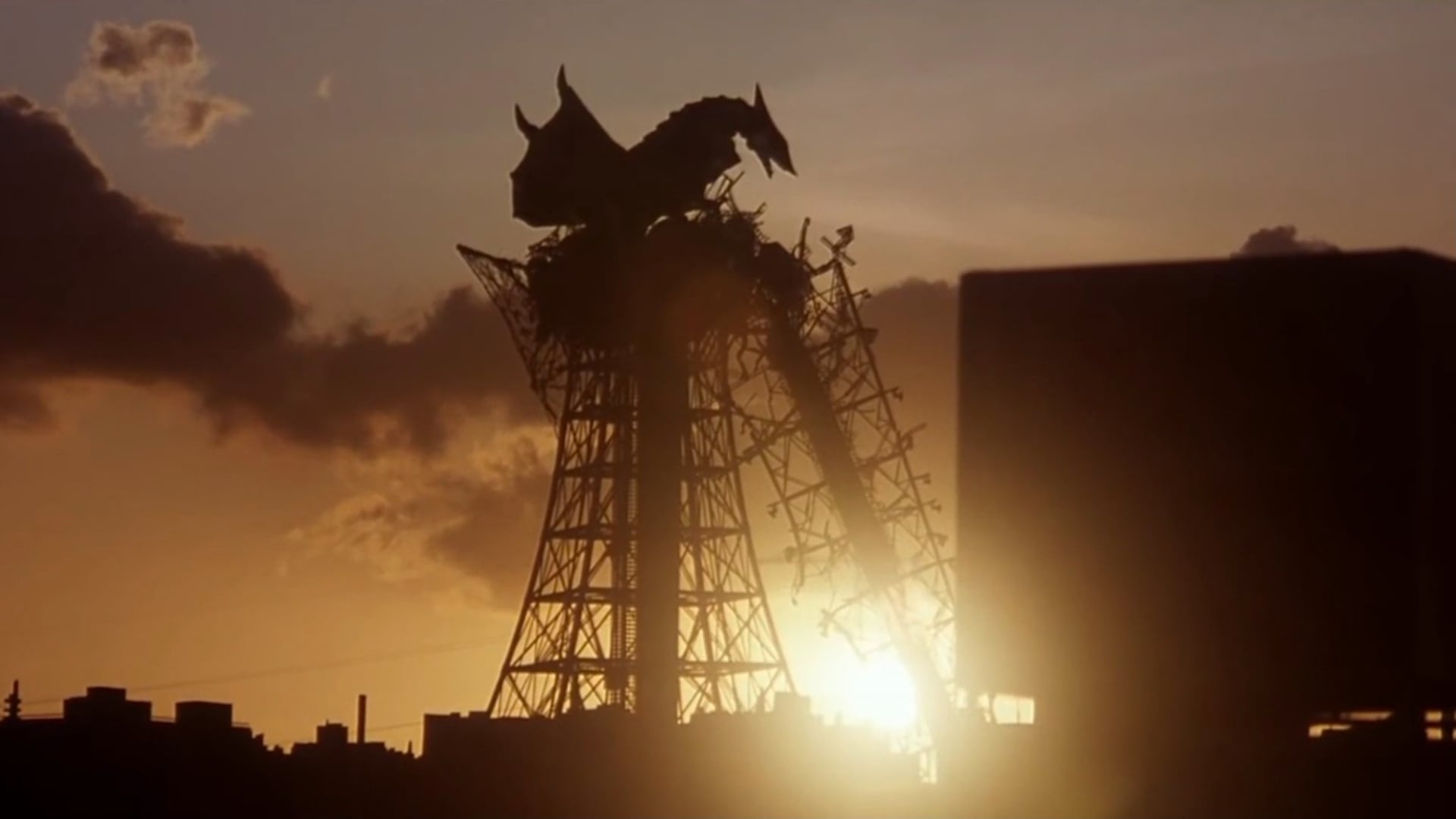
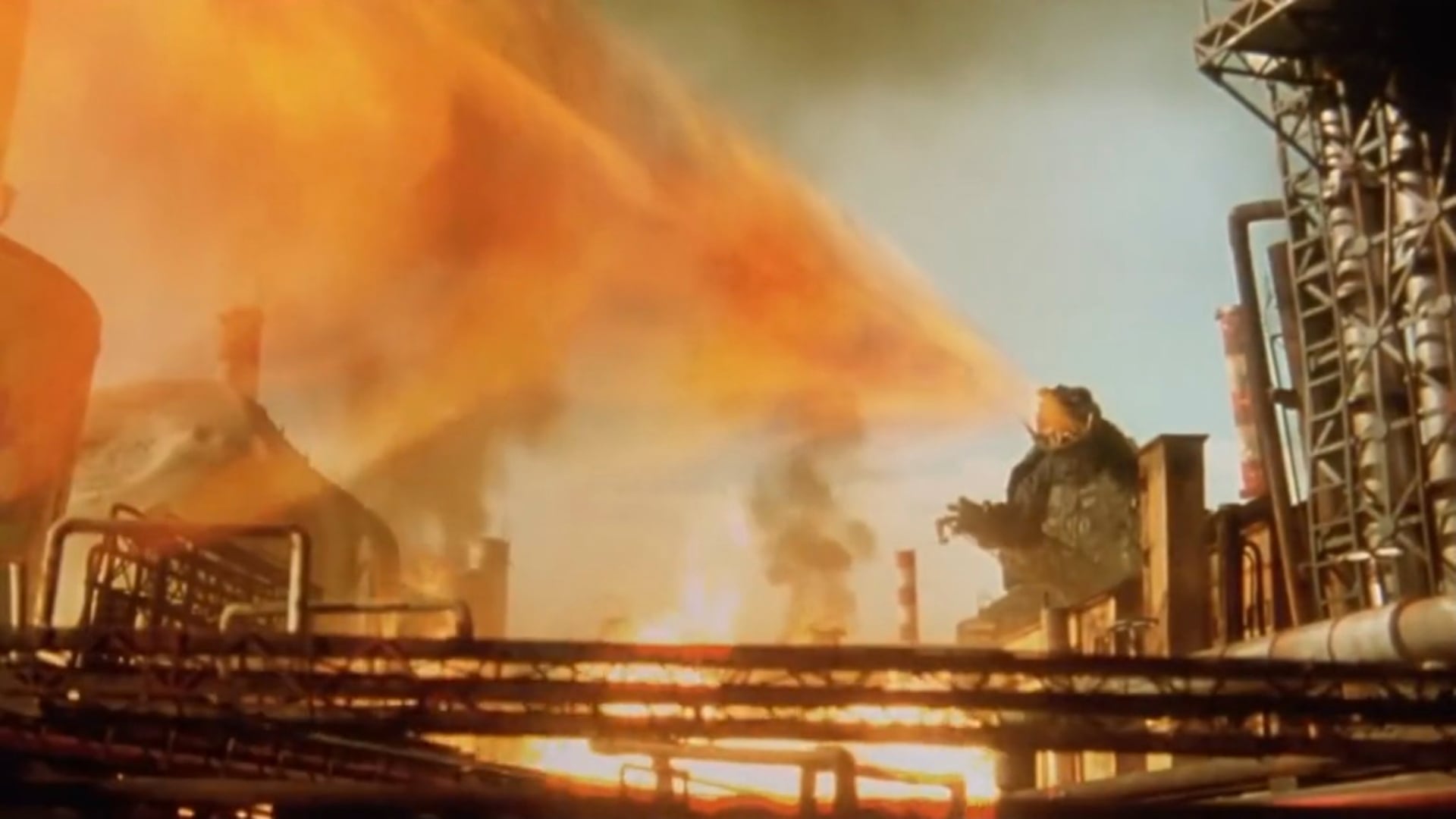
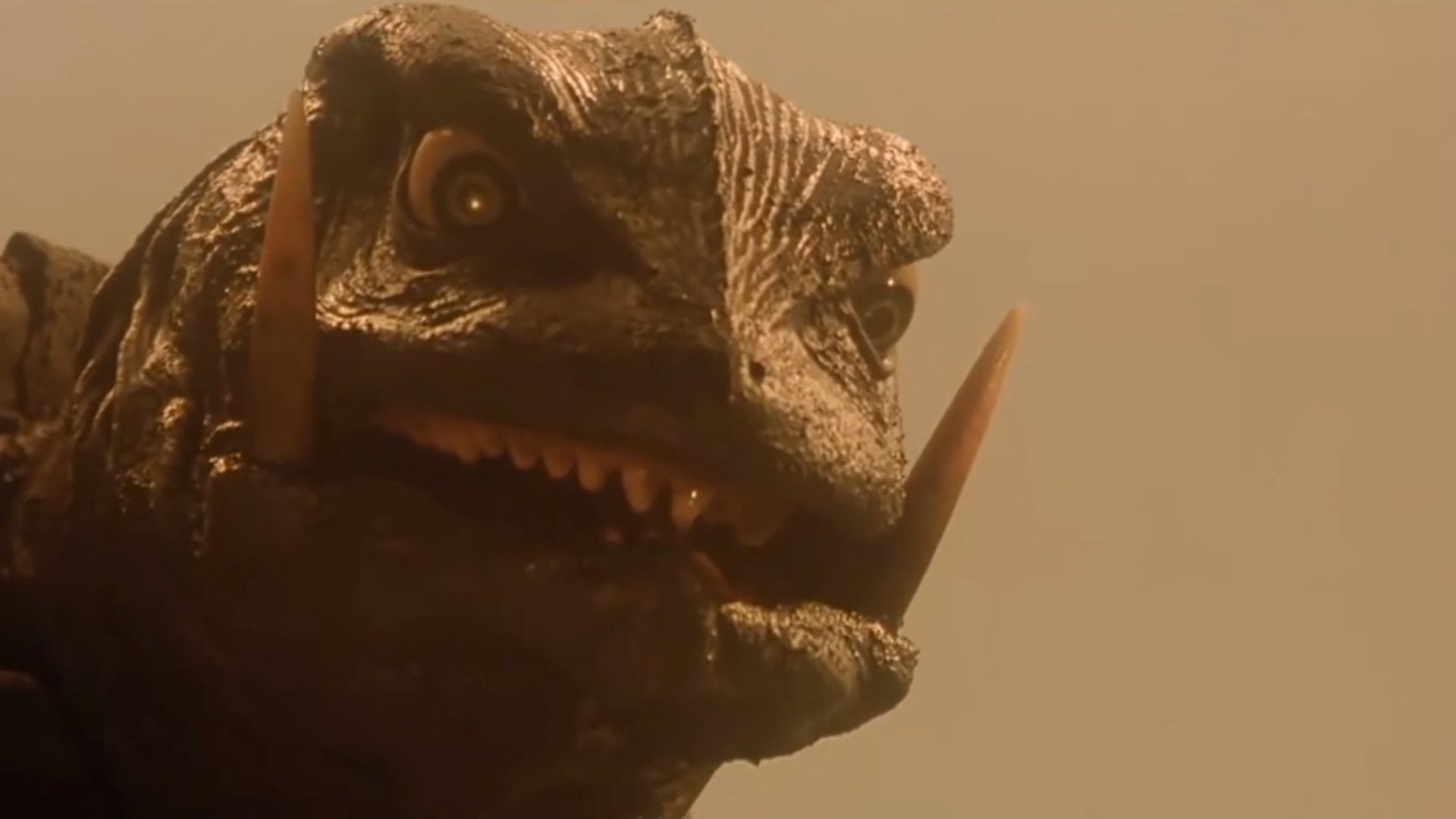
At the heart of Kaneko’s story I wanted to protect Gamera: how the films make you care
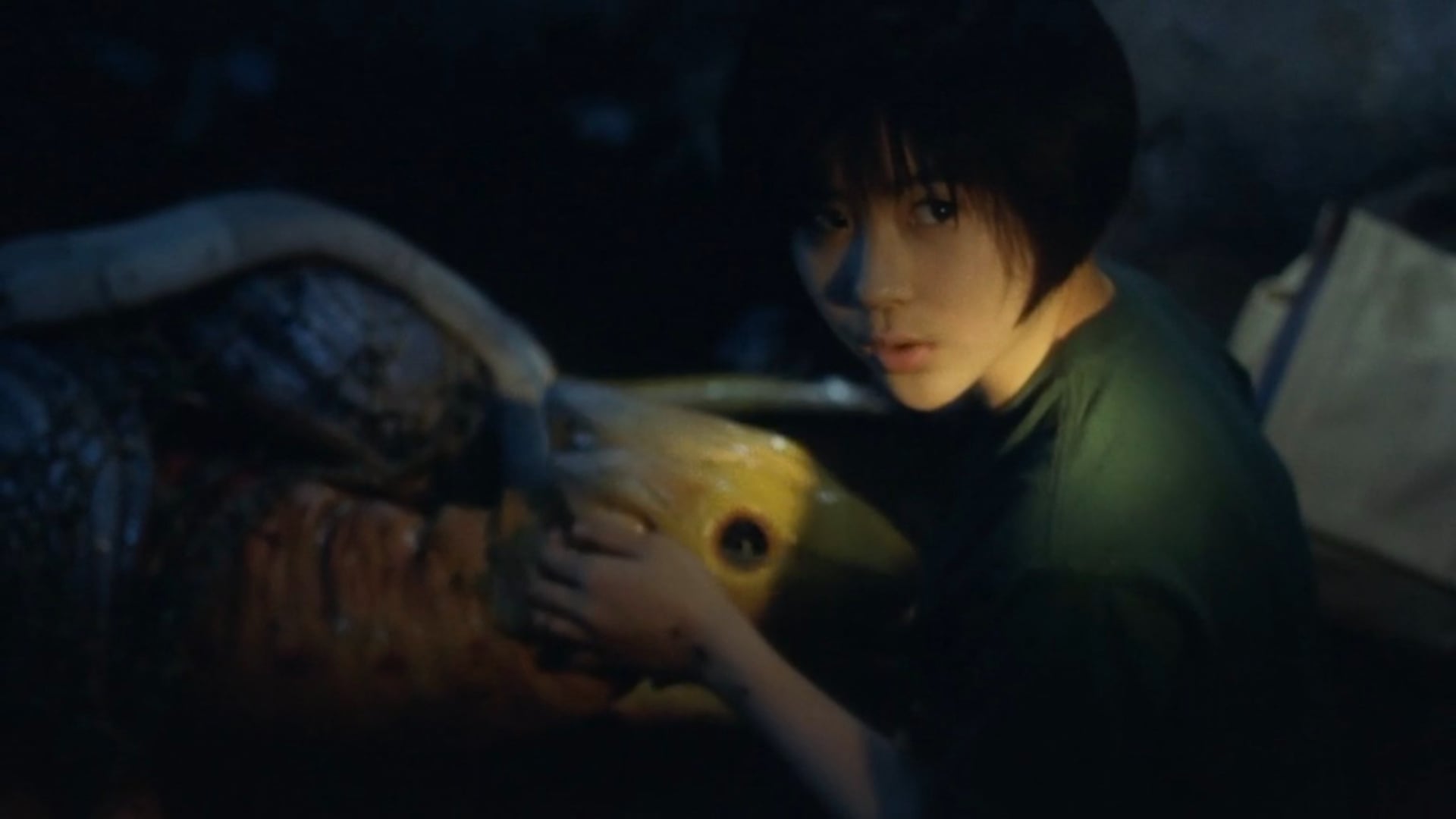
He’s not a chilly force of nature; he’s a sacrificial guardian. His power feeds on human connection. The trilogy foregrounds kids, especially girls, who hold talismans and moral weight. That choice makes every kaiju punch land as if it were landing on the hope of a small group of people.
Gamera is a kaiju Jesus—his arc runs on human collaboration like a cinematic Spirit Bomb. The films reward empathy: when kids suffer, he suffers; when they heal, he gets stronger. That moral wiring explains why his defeats feel like real loss and his comebacks feel like prayer answered.
At the trilogy’s close I shouted “He’s my guy”: where Gamera could go next
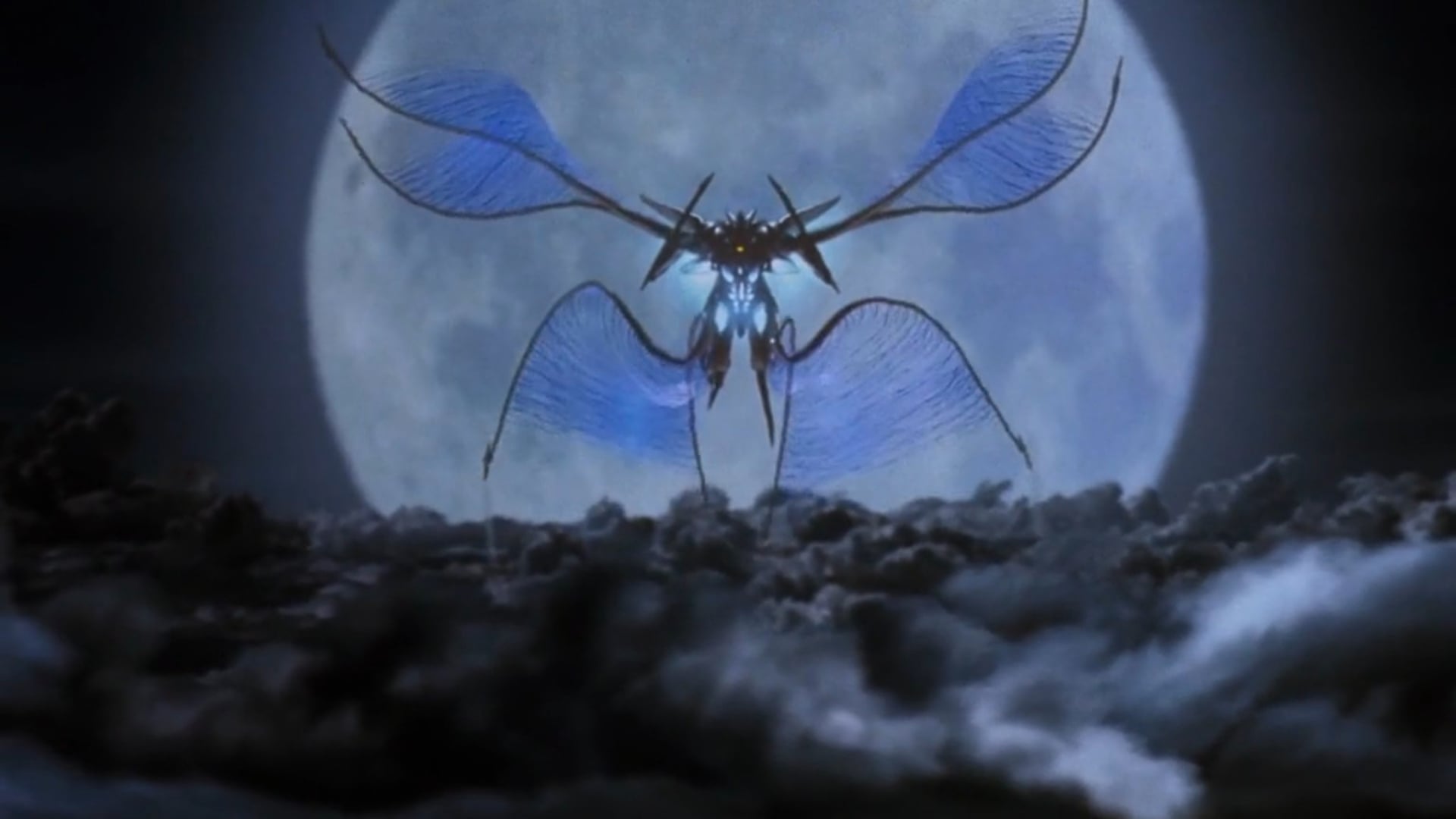
Gamera has eras like Godzilla—Showa, Heisei, Millennium—and Kaneko’s run is a Heisei‑equivalent that modernized his spirit. I want more lore: a Ghidorah‑level rival for Gamera, kaiju allies, or a storyline where his loyalty to humans is tested by how humans treat the planet. There’s a lot of fertile ground.
His final stand in Revenge of Iris was a gospel sung through explosions. That image has stuck with me, and it might stick with you after you watch it once.
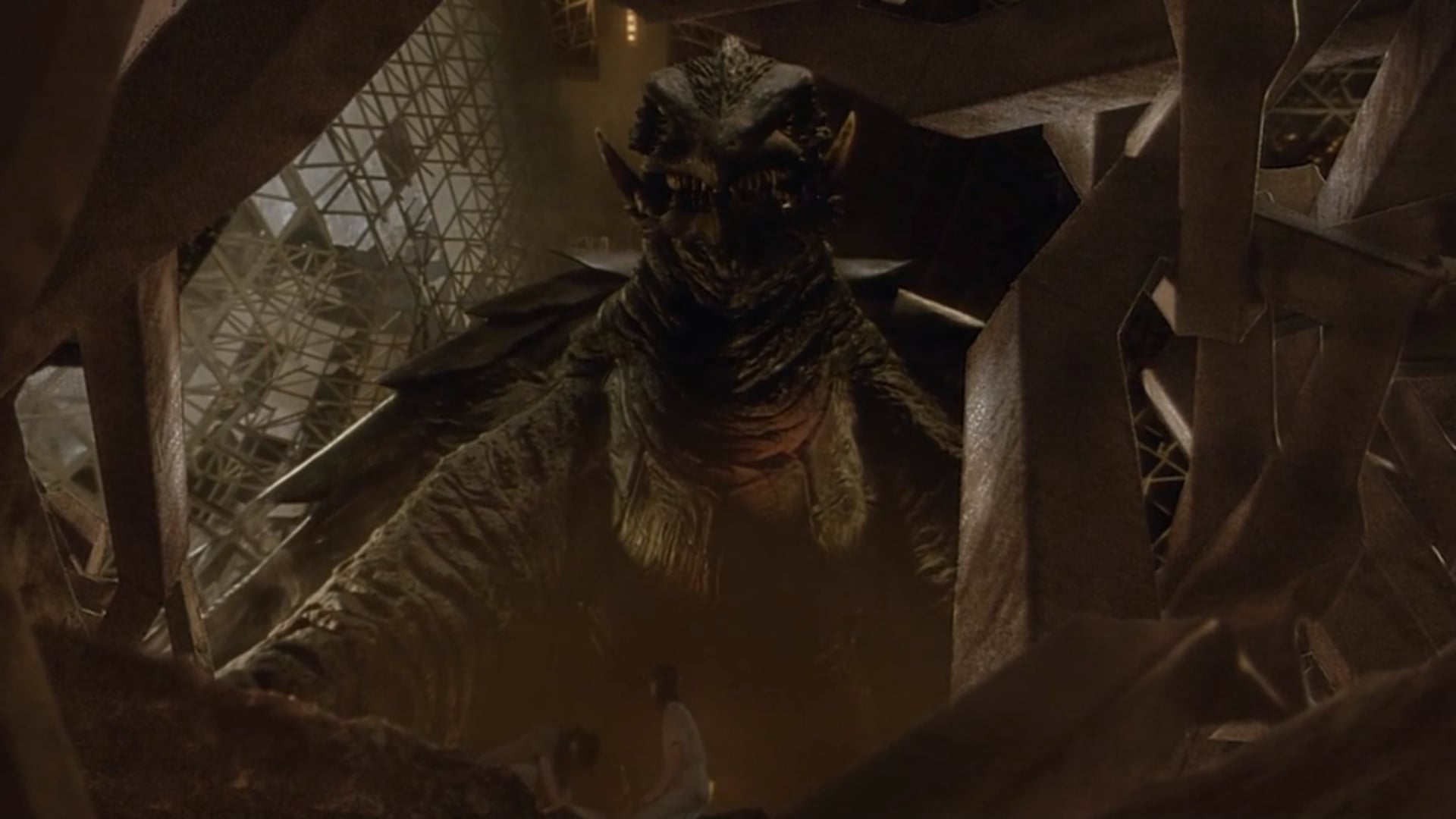
I started this as a Godzilla fan who liked his ambiguity and scale. Now I watch the turtle fight and feel like I’ve been handed a creed: monsters can choose to be moral. If studios gave Gamera the same cinematic care Godzilla has been getting, would you care which kaiju wins or who defends us next?