I read the excerpt under a kitchen light that hummed like a tired generator. You can feel the quiet in your bones before the noise arrives. I kept thinking: what if every monster’s alarm never goes off?
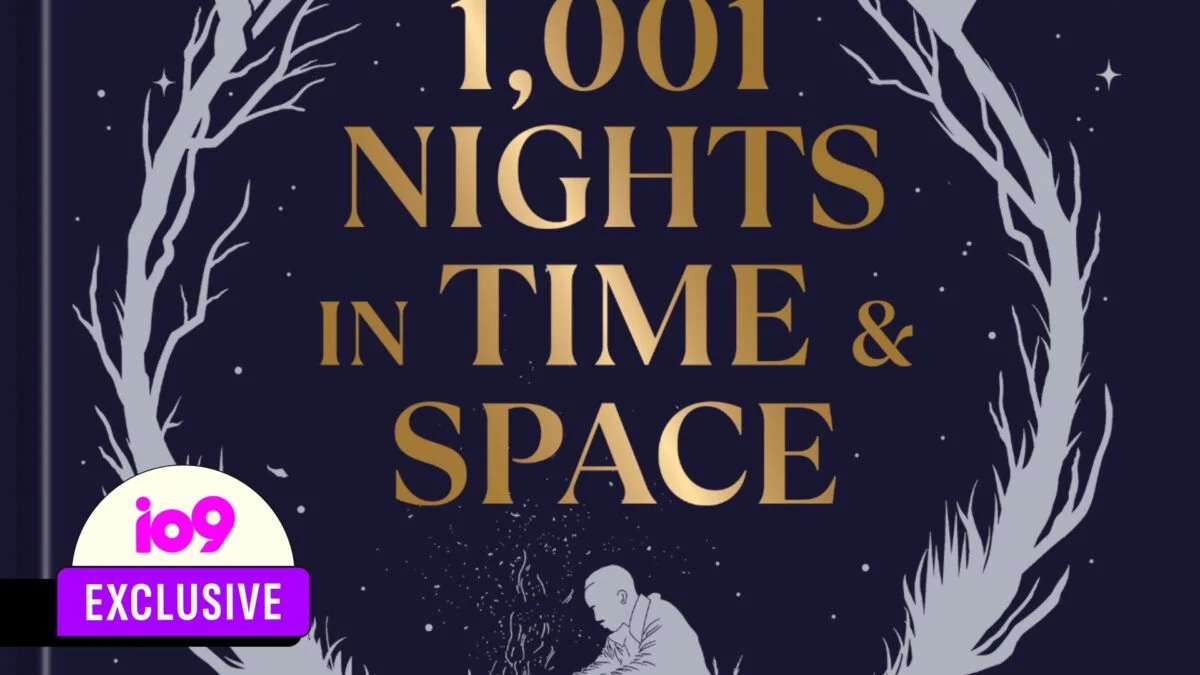
I want to pull you into a detail Movies & TV shared exclusively from Doctor Who: 1,001 Nights in Time and Space, a collection of folktales retold by Steve Cole and Paul Magrs, with Paul Magrs’s illustrations. I’ve long watched the Whoniverse for the small cues the BBC leaves behind, and this one lands with a particular kind of chill—you can almost hear the gears of history creak.
The Tale of the Sleepers
On late trains I’ve watched passengers stare at screens, folding away whole hours without noticing. The excerpt Movies & TV ran is a folktale told from inside the universe: monsters sleeping across planets and under cities, waiting for whatever signal will bring them back. The story paints armies of creatures—Cybermen in honeycomb tombs, Daleks in frozen catacombs, Zygons practicing shapeshifted faces in their dreams—as patient investments of hostility. They are volcanoes under snow. Their dreams are a locked library of grudges.

The tale’s engine is a question that feels personal: what happens if the cosmic triggers never arrive? The monsters plan, remembering long histories and futures they expect to inherit. The book leans into the inevitability—the quiet faith of creatures who assume time will do their work for them—and then flips that faith into uncertainty. That tension is the hook: a dormant threat without a schedule is more frightening than one with a date.
How does ‘The Tale of the Sleepers’ fit into Doctor Who canon?
I asked myself that same question when I read the passage. The tale reads as a mosaic: references to Cybermen, Daleks, Zygons, Telos, Spiridon and other corners of Whoniverse lore place it inside the wider tapestry rather than outside it. Steve Cole and Paul Magrs are not newcomers—both have longstanding ties to licensed Doctor Who fiction—so their use of canonical touchstones functions as a kind of backstage pass for long-term fans and an invitation for newcomers who follow BBC announcements, Russell T Davies’s interviews, or coverage on Movies & TV and Gizmodo.
Why the story matters now
On social feeds I keep seeing fans theorize about the show’s future and the Christmas special. The book arrives at a moment when the TV series is in a state of public curiosity, and a folktale that treats villains as sleeping institutions reads like a commentary. The story’s caution feels aimed at more than fictional monsters; it nudges at real production anxieties about whether long-running threats—old villains or tired story beats—will be revived with purpose or left as fossilized ideas.
When does Doctor Who: 1,001 Nights in Time and Space release?
The collection from Ten Speed Press (via Penguin Random House) comes out April 28, 2026. If you prefer digital formats you’ll likely find it on Kindle and audiobook platforms like Audible the same week; physical editions are listed by retailers and bookstores working with Penguin’s distribution.
The book’s framing—24 folktales across the Whoniverse—lets Cole and Magrs test different tones and narrative positions: some stories read like cautionary legends, others like fables filtered through companions’ memories. The art by Magrs gives those moods texture; one page can look like a field guide sketch, the next a surreal theatrical poster. For fans who follow showrunner shifts and casting news—say, announcements from BBC Studios or interviews with Russell T Davies—this offers another angle to parse tone and intent without spoiling actual TV plots.
Your takeaways as a fan
At conventions I’ve watched debates turn on one sentence or a single image. You will use small clues—names, settings, even the way a threat is described—to update hypotheses about the show’s direction. This book doesn’t promise spoilers for televised episodes, but it does create a conversation piece: how are monsters remembered when they aren’t active? How does the Doctor’s legacy function when histories pile up?
If you follow industry reporting on Movies & TV, BBC press releases, or the social media of writers like Paul Magrs and Steve Cole, this collection sits at the intersection of licensed fiction and franchise commentary. It’s also a neat item for anyone watching collectible markets, bookstore listings, or Penguin Random House’s preorder pages.
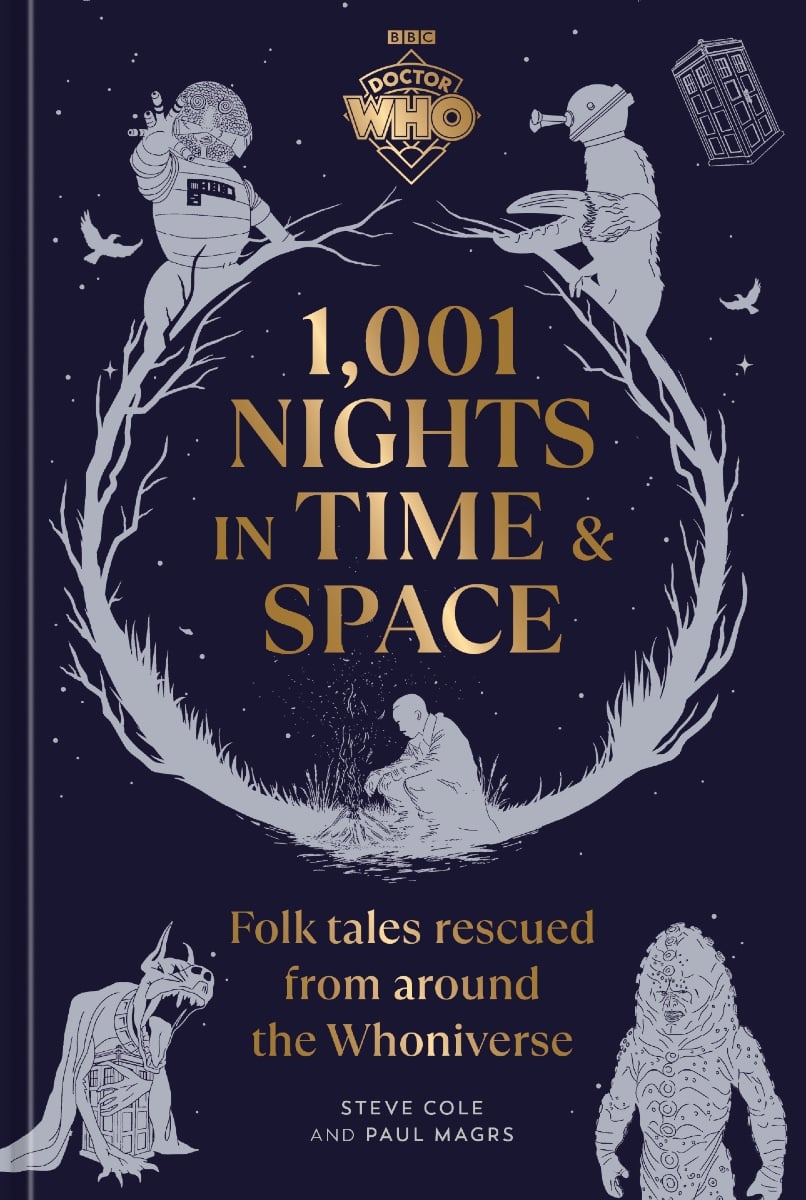
Credit: Doctor Who: 1,001 Nights in Time and Space: Folktales Rescued from Around the Whoniverse, by Steve Cole and Paul Magrs with illustrations by Paul Magrs; published by Ten Speed Press, 2026
Will the monsters’ alarms stay silent, or will someone—on screen or on the page—decide to pry open the tombs and restart the clock?