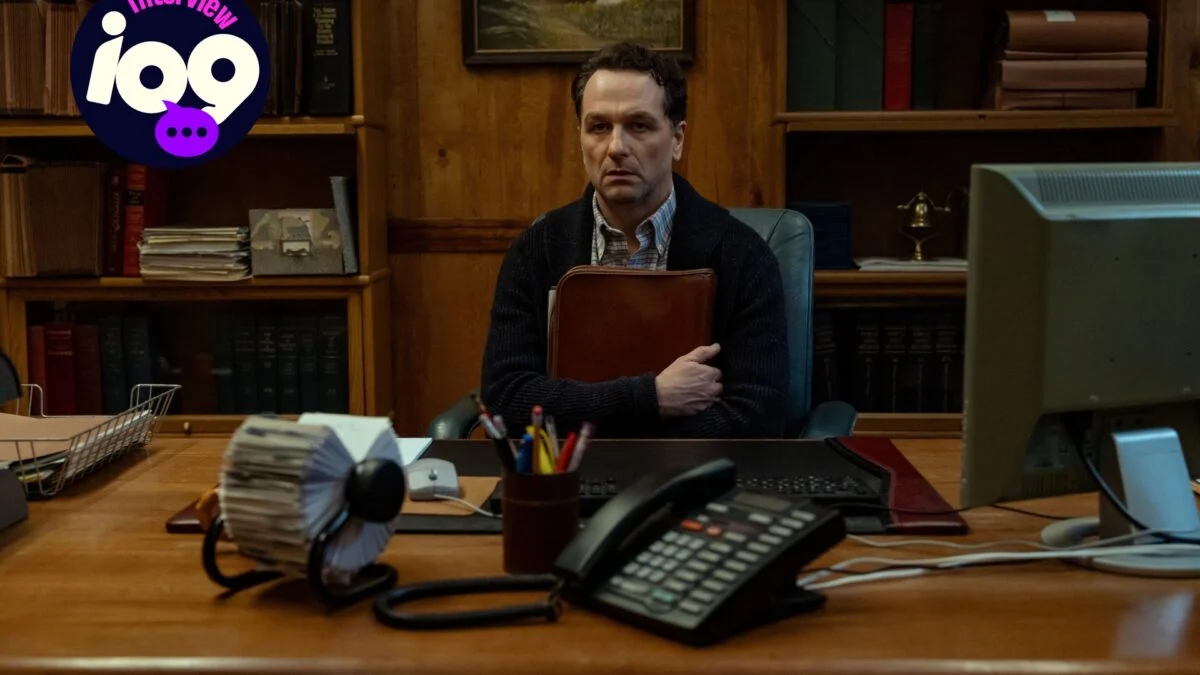
The ribbon-cutting is hours away and the mayor is smiling for the cameras. The fog rolls in, and the island’s old wounds begin to seep. You feel the air tighten, as if the town itself is holding its breath.
I talked to Katie Dippold and Hiro Murai for io9 so you don’t have to guess what’s under the skin of Widow’s Bay. I’ll take you into how they shaped tone, casting, and the small details that make the island feel lived-in and dangerous—without spoiling the pleasures waiting on Apple TV.
When I was nine, a haunted house made me scream and then laugh at myself. That memory is the emotional north star of the show.
Katie Dippold told me she wanted that communal jolt you get when something is both terrifying and goofy. If you know her work from Parks and Recreation or her scripts for The Heat and the 2016 Ghostbusters, you already expect humor with teeth. Here, the comedy never undercuts the fear; it’s a way to hold the tension so the next scare lands harder.
The writing room treated horror as a character trait, not a set dressing. Scenes are calibrated so you laugh, breathe, then get hit—so you stay invested instead of numbed.
I saw the camera drift past a dusty board game and I wanted to rewind it. That small, uncaptioned gag tells you everything about Hiro Murai’s direction.
Murai brings the kind of visual patience he showed on Atlanta and Station Eleven. He and Dippold agreed to honor influences—John Carpenter, The Fog, Halloween, Jaws, H.P. Lovecraft—without copying them. The aim was to summon a feeling, not to replicate a single film.
The result is careful framing and deadpan beats that let the mise-en-scène do the work; you catch jokes by accident and feel unsettled when you don’t. The island’s disconnection from modern tech amplifies that nostalgic unease.
What is Widow’s Bay about?
The series revolves around a remote New England island where the mayor, Tom Loftis (Matthew Rhys), tries to convert local weirdness into tourism—just as the place begins to stir in supernatural ways. Expect a blend of dark comedy, folklore-tinged horror, and interpersonal crisis; the scares often reflect character wounds.
At one casting Zoom I watched Matthew Rhys read a quiet line and the room shifted. That was the moment Tom became believable.
Casting mattered because the show needs you to buy that people actually live on this island. Dippold and Murai wanted someone who could swing from ambition to embarrassment in a heartbeat. Rhys brings a dramatic core while landing unexpected comic breaths; he makes you root for a man you can see making a slow-motion mistake.
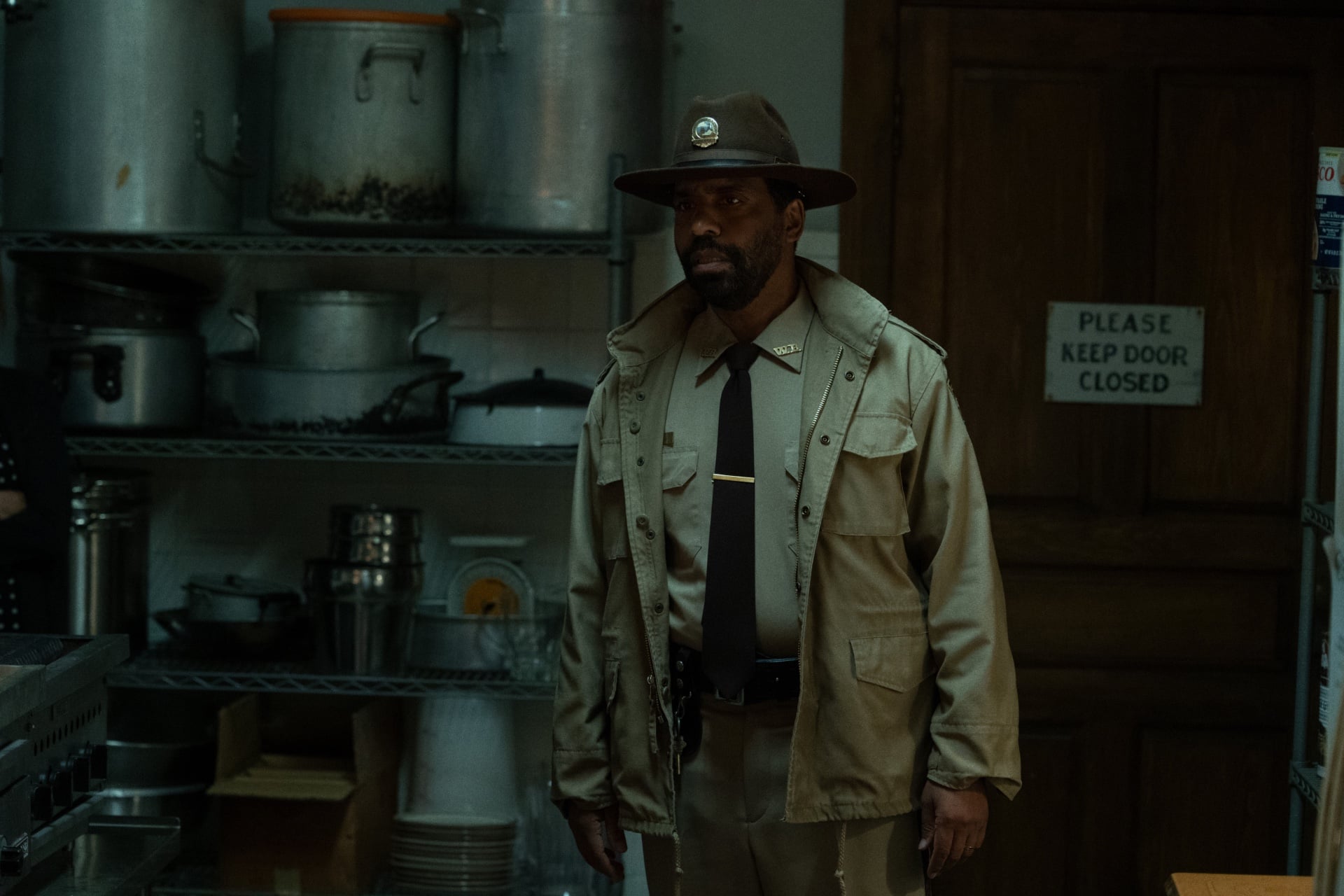
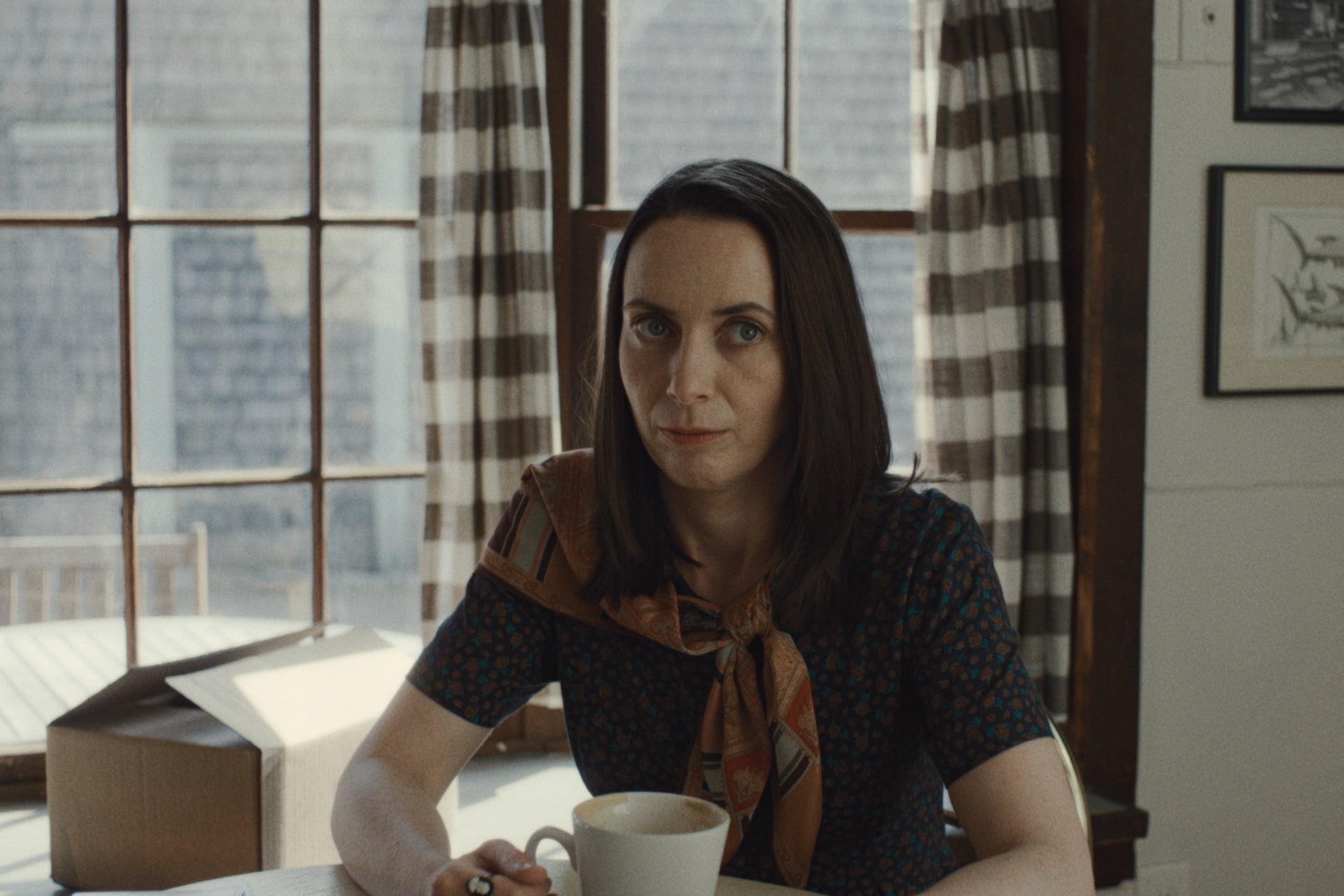
The ensemble—Kate O’Flynn, Stephen Root, Kevin Carroll, Dale Dickey among them—creates a texture of small-town life, so even the supernatural feels inevitable.
When does Widow’s Bay premiere on Apple TV?
Widow’s Bay premieres April 29 on Apple TV. If you follow Apple’s recent slate, this is its clearest move toward serial horror-comedy—an area where the platform has room to grow.
In the writers’ room we sketched dozens of monsters and kept messing with motives. That shuffling is why the lore feels specific rather than generic.
Dippold admits the island’s history was built by trial and error. Many ideas were tested and discarded. The ones that stayed were those that revealed more about a character than about the plot. The monsters double as metaphors for real grief and stubborn ambition.
The season wraps with satisfaction, yet leaves doors ajar. Dippold says there’s more to tell; if Apple TV and the creative team align, the series could continue to widen its curiosities.
Who created Widow’s Bay?
Widow’s Bay was created and showrun by Katie Dippold, directed and executive produced by Hiro Murai, with Matthew Rhys also serving as an executive producer. Their combined credits—Parks and Recreation, Atlanta, Station Eleven—tell you why the show moves between comedy and dread with confidence.
The island is a bruise that never quite fades. The show is a Russian doll of laughs and jolts. If you care about tone, pacing, and the small props that become story engines, you’ll find much to argue about—so will you be watching on April 29 to see which small god wins the town over?