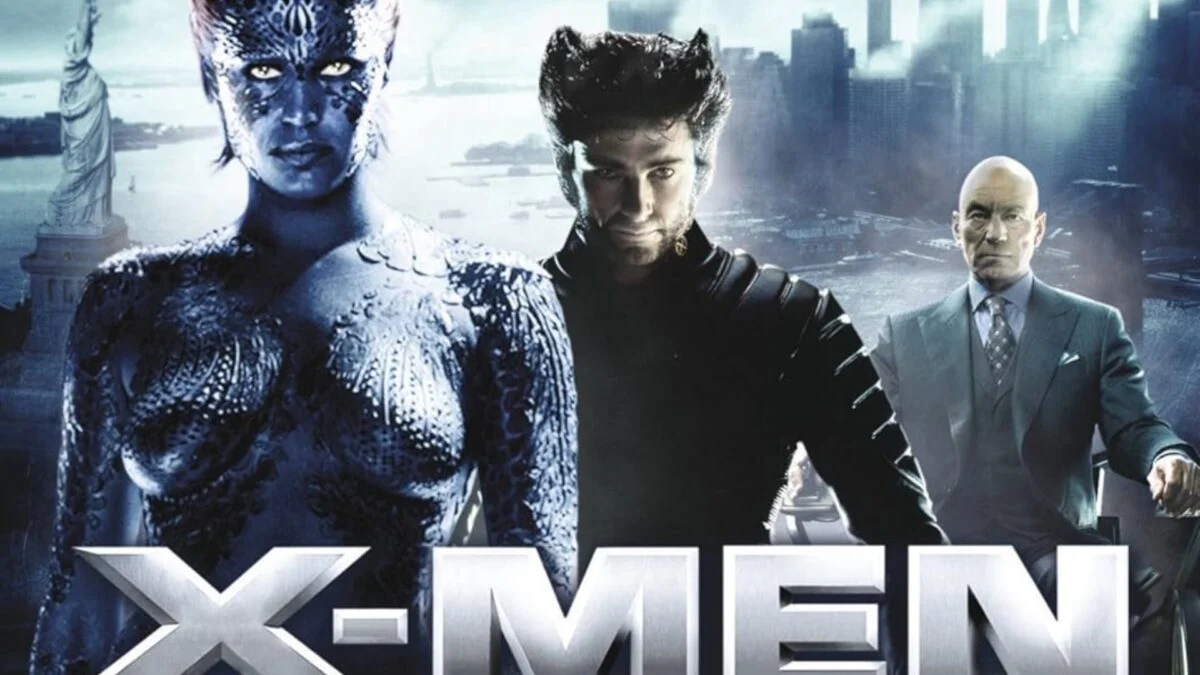
I sat through an old studio screening with a friend who worked in development and watched the room go quiet. Someone muttered the word disaster, and the quiet felt like an accounting ledger closing. You know that flicker of disbelief when a bet you thought safe suddenly looks reckless.
In a Fox screening room in 2000, executives flinched at the X-Men cut
I want you to picture a corporate screening: executives, suits, and a silence that isn’t comfortable. Bill Mechanic, then chairman and CEO of Fox Filmed Entertainment, later told Business Insider (as reported by Variety) that the reaction was blunt—many inside Fox thought Bryan Singer’s X-Men looked like a failed experiment.
Mechanic remembers higher-ups asking, why would anybody make a Marvel comic into a movie? That pushback stacked on a series of studio setbacks and helped make his exit from Fox feel inevitable. For executives who had steadied the ship through rocky slates, a superhero film felt risky—like a house of cards trembling under a gust of studio politics.
Why did Fox executives call X-Men a ‘disaster’?
Short answer: risk perception. At the time, comic-book adaptations lacked the established playbook they have now. You had a mix of corporate caution (Rupert Murdoch’s Fox empire was focused on predictable returns), inexperienced genre handling at big budgets, and a few recent misses that tightened purse strings. Bryan Singer’s vision tested differently with creative teams than it did with box-office audiences.
Business reporting on the moment also ties it to broader studio tensions—Mechanic’s work on films like Fight Club drew internal scrutiny, and the negative response to X-Men was cataloged as a final straw amid those battles. If you watch the corporate chronicles of studios, you’ll see creative disagreements bleed into executive moves.
On city streets today, Marvel dominates the poster racks
You can walk past a theater now and find Marvel advertising everywhere, which tells you how fast public appetite shifted. The film that executives dismissed launched an enduring franchise: the X-Men franchise has earned close to $6 billion (€5.5 billion) worldwide, proof that the marketplace and boardroom sometimes read different maps.
That commercial success changed strategy. When Disney completed its acquisition of 21st Century Fox in 2019, Marvel Studios gained film rights that let the studio fold mutants into the MCU. Today you have Marvel planning high-profile integration—Avengers: Doomsday and the countdown to Avengers: Secret Wars (December 2027) alter the release calendar and creative priorities. The planned X-Men reboot, with Thunderbolts director Jake Schreier attached and positioned after Secret Wars, looks like a franchise move aimed at scale, not caution—the frost on a windshield that once hid the road has mostly cleared.
How much did the X-Men franchise make?
Reported totals land around $6 billion (€5.5 billion) at global box office. For executives arguing over risk in 2000, those numbers are an uncomfortable form of evidence that audience appetite can outpace internal skepticism.
I say this as someone who follows studios and marketplace signals: you learn faster from the projects that were scorned and later rewarded than from the ones that coasted. Fox’s early skepticism about superhero films reads now as both a cautionary corporate moment and a reminder that timing and stewardship matter.
Want more io9 news? Check out when to expect the latest Marvel, Star Wars, and Star Trek releases, what’s next for the DC Universe on film and TV, and everything you need to know about the future of Doctor Who.
So tell me—which studio decision from the past would you bet on if you could go back and change it?