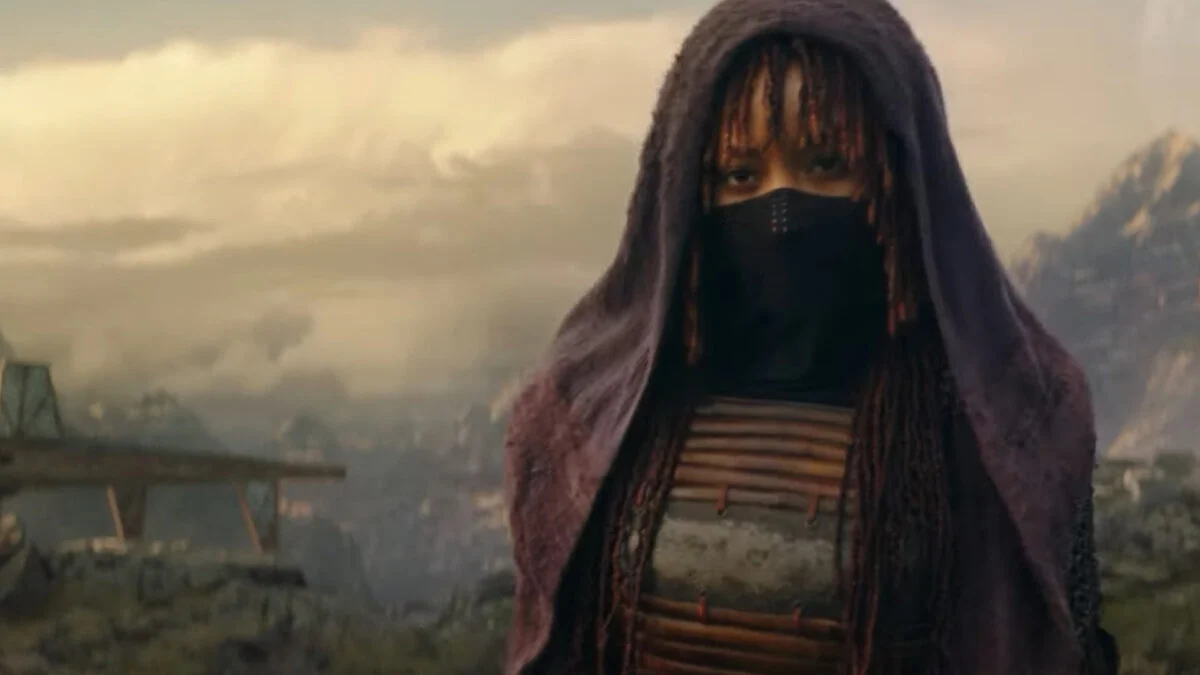
The notification blinked while I was making coffee: The Acolyte had climbed back into Disney+’s US top 10. For a show canceled nearly two years ago, that felt less like a fluke and more like a quiet reclamation. I paused—because the numbers were saying something the cancellation headlines refused to.
I’ve been watching how streaming stories live and die, and you should too if you care about how fandom and algorithms trade signals. What follows is what I’ve seen on the record and what it suggests about why audiences keep returning to this particular Star Wars prequel.
The streaming chart blinked: The Acolyte returned to Disney+’s US top 10
FlixPatrol flagged it this week—an objective meter that tracks views and rank on platforms. When a title canceled for budget reasons reappears on a platform’s front page, it’s worth asking whether viewers are voting with their play buttons.
You’ll notice a pattern: new Star Wars arrivals push viewers back into the backlog. The current number-one on that same list is Maul: Shadow Lord, and its thematic overlap—shadow, intrigue, the dark side—pulls the same curiosity strings. That overlap doesn’t explain everything, but it does give the older show a natural boost.
Why is The Acolyte suddenly popular again?
Short answer: controversy cooled, new content created context, and the show’s single-season arc makes it an easy, complete watch for curious viewers. Disney and Lucasfilm cited cost as the reason for cancellation; that narrative stayed in headlines while the series itself quietly found viewers on Disney+ and in lists tracked by tools such as FlixPatrol and Nielsen.
I’ll be blunt: the loudest critics moved on. Without the noise, the show reads more clearly—messy in places, but full of ideas. The Acolyte is a puzzle box that people keep turning, and every spin reveals a different motive for interest: lore, performance, or sheer curiosity about what a darker prequel could be.
The social feed screamed at the time: cancellation controversy trended
That controversy filled threads, reaction videos, and op-eds—io9 covered the fallout, and the debate amplified the series’ profile even as it damaged immediate momentum. Here’s what that dynamic does: it manufactures attention, but it also builds resistance. When the resistance fades, the attention becomes a cleaner signal.
Streaming audiences today are less tethered to weekly watercooler cycles; many treat shows as catalogs to be rediscovered. That shift helps a self-contained season reach new viewers months or years later. The show’s defenders argued for its ambition; its detractors made headlines. Time sorts both.
The production and brand wings—Disney and Lucasfilm—have the leverage to reverse a cancellation if economics and PR align, but official statements so far put cost at the center. If you track industry moves on Variety, The Hollywood Reporter, or trade updates on Disney+ investor notes, you’ll see cost and scale repeatedly cited when expensive franchises change course.
Will The Acolyte be renewed or brought back?
There’s no public plan to revive it. Disney’s cancellation rationale emphasized budgetary pressure rather than quality; that left a faint opening, because high viewership can shift executive math. Streaming platforms like Disney+ and measurement tools such as FlixPatrol or Nielsen are the currencies that might prompt a second look.
I won’t promise a revival. Still, the door is not welded shut: if sustained audience demand continues and if franchise strategy changes at Lucasfilm or Disney, conversations can restart. The show behaved like a crooked compass pointing to something bigger—proof that creative directions can outlast corporate headlines.
Where can I watch The Acolyte?
It’s available on Disney+. If you want to watch with context, io9’s coverage and FlixPatrol’s rankings give you the conversation map: who watched, when, and how the series re-entered popular viewership. If you measure engagement by charts and chatter, this is one of those rare cases where both converge.
So what does this mean for creators, studios, and viewers like you and me? It means cancellations aren’t always the final word, and audience interest can move quietly until it becomes undeniably visible—but will that visibility be enough to change a publisher’s mind, or does it only prove that great ideas survive louder than the headlines?