
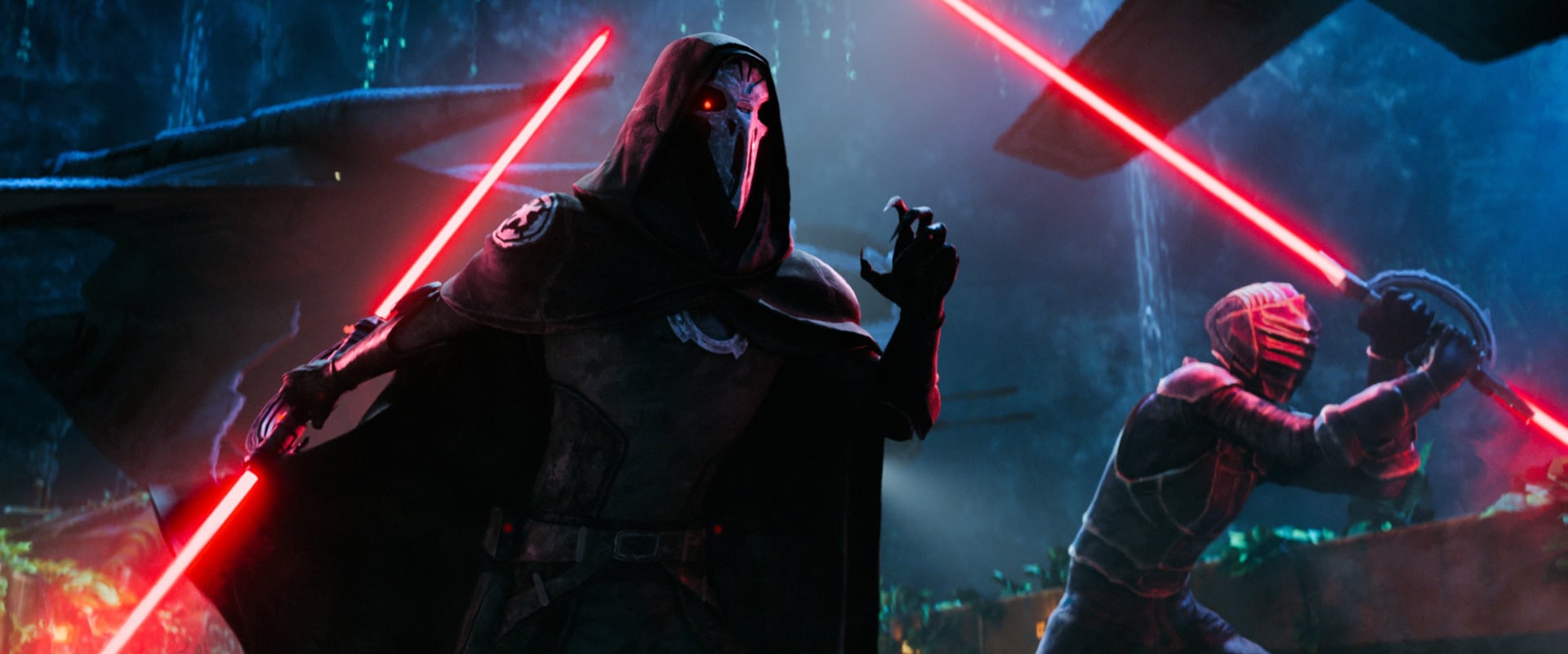
I remember the moment Maul finally collapses into that cave—metal legs sparking, breath ragged, the Inquisitors closing in. I felt a strange tug: part pity, part thrill, like watching a king stumble off his throne. You keep watching because he refuses to disappear.
I’ve been following Maul since his surprise strike in Episode I, and I’ll say this plainly: Shadow Lord makes a persuasive case that Maul is at his most interesting when he’s down

On a crowded subway you can spot the person who refuses to stop trying — and they look a lot like Maul
When the Empire tightens its fist on Janix, Shadow Lord doesn’t roll out a triumphant villain arc. Instead it keeps shaving away his perks: the cool design, the legacy of the double-bladed saber, even the myth that he’s always in control. I watched him lose everything in small increments—the way Sidious yanks at his history, how the Inquisitorius peels away his power, how allies think of escape instead of loyalty. That slow erosion is the show’s weapon, and it’s why you’ll keep scrolling.
Why is Maul more compelling when he’s defeated?
Because defeat strips away myth. When Maul is reduced to stumbling through Janix’s underbelly—metal legs failing, reputation fraying—you see motive and memory instead of choreography. You see someone who feeds on his losses, who repurposes failure as fuel. That hunger creates a curiosity loop: will he claw out of this? The answer matters because it reveals the mechanics of obsession in a way flashy fights don’t.
At a bar where failure and ambition share a table, you can hear the same language Maul speaks
He’s got form: Sidious stole his childhood, Obi-Wan carved his brand into revenge, and history keeps serving him new losses. Shadow Lord stages those ghosts as active forces—flashes of Clone Wars, echoes of the wound when Sidious took Maul’s brother—so the show doesn’t just narrate decline, it dramatizes it. I want you to notice the scene where his robotic legs give out and he deliberately tears down the cave to survive: that’s not spectacle, that’s confession. He admits, silently and loudly, that he’s a failure—the show lets him wear that label and use it.
How does Shadow Lord connect to Maul’s arc in Rebels and Solo?
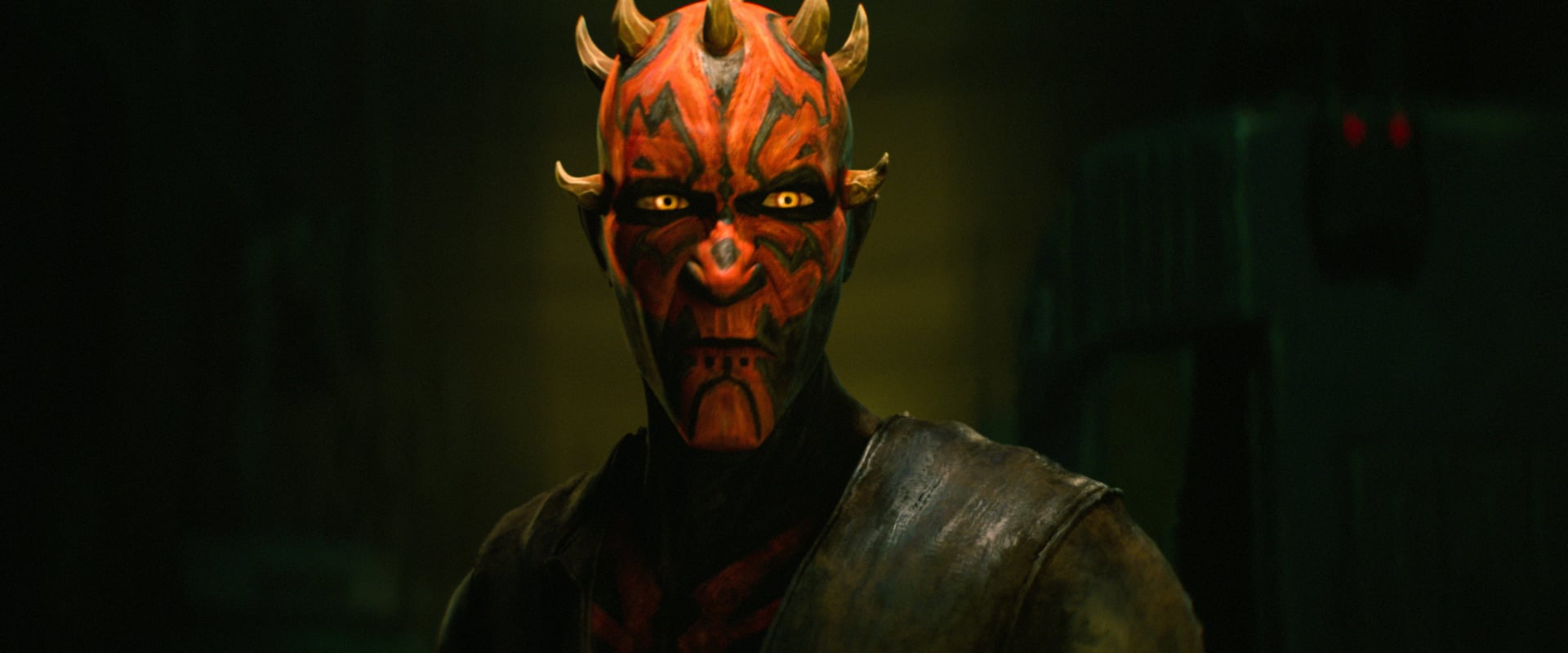
The show threads directly into Lucasfilm’s wider tapestry: the sting of Clone Wars, the bitter end in Rebels, and the criminal scaffolding of Solo. Maul reaching for Dryden Vos—Paul Bettany’s role—signals the same game he plays elsewhere: transform scraps of influence into leverage. Disney+ viewers familiar with Crimson Dawn see the continuity; new viewers witness how a beaten figure trades brute force for cunning networking. The scene plays like an audit of a career criminal’s resilience.
On a hiring board you sometimes see the person who keeps failing upward — and Maul is quietly excellent at that
He loses apprentices and planets, but he still finds openings. Reaching out to Dryden Vos shows the pattern: Maul will trade a bruised ego for another angle. He’s not a tragic hero; he’s a persistent one. He feeds on failure until failure produces leverage. You can trace the arc from Janix to Ezra in a straight line of opportunism and resentment, and that makes his later moves—both in Rebels and in the criminal underworld—feel inevitable.
I’ll say this plainly: Maul’s appeal isn’t the double-bladed saber or the face paint. It’s the way he admits his own rot and keeps using it as fuel. He behaves like a moth circling a burnt-out streetlamp, and at times he moves like a tarnished coin, flipped and forgotten.
If you care about character work in genre TV, Shadow Lord is a reminder that the most magnetic villains are the ones who survive humiliation, not the ones who avoid it. Will Maul finally convert his losses into something resembling victory, or is he destined to be the galaxy’s enduring cautionary tale?
Want more io9 news? Check out when to expect the latest Marvel, Star Wars, and Star Trek releases, what’s next for the DC Universe on film and TV, and everything you need to know about the future of Doctor Who.