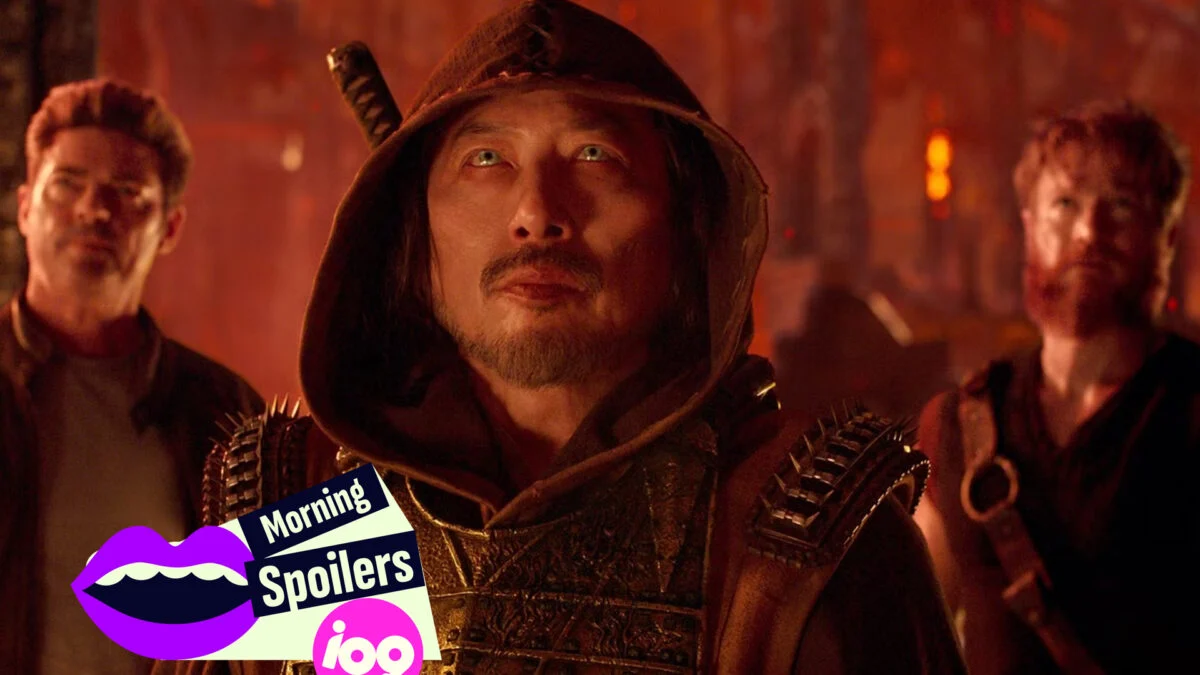
I was halfway through a screening when Kano fell—and the theater sighed as if someone had taken back a promise. The moment stuck because resurrections now carry obligations, not just applause. You can feel the franchise counting the cost of every returned life.
I write about what studios do when audiences demand both surprise and comfort. You pay attention because these decisions change stakes, fan trust, and the way future deaths read on screen.

On set, stunt crews rehearse the same move dozens of times. Mortal Kombat II
When I spoke with fans after the first Mortal Kombat, they all asked the same thing: how do you keep a franchise honest when people can be brought back? Jeremy Slater’s explanation to Comic Book does three things at once: it respects tone, satisfies fandom, and promises cost.
I think it’s the fun of Mortal Kombat, honestly, it’s, it’s like, you know… before I took the job, one of the things I was like, ‘You have to let me bring Kano back to life’, because Josh Lawson was my favorite thing about the first movie. I was like, ‘he’s the guy who understood the assignment, and that tone that he is hitting in this movie is the tone that I want this entire movie to have’. So I’m like, ‘I have to bring Kano back. I have to bring Kung Lao back. I’ve got to get that hat in a fight scene and, and play with it. It’s too much fun, and he’s too cool of a character.
It’s my job to figure out how do we get some of them back in, but maybe how do we get them back in, in ways that the audience is not necessarily expecting. How do we use those deaths as a jumping-off point to tell interesting stories for some of these characters or to take them on new journeys? How do we use something that could be a liability—the sort of the resurrections—and make that a strength in this universe that, yes, there are, there are ways to bring people back, but sometimes there are consequences to those ways, or sometimes it’s not as, as clear cut or as simple as you may hope? So, that’s always the goal. We have a lot of toys in the toy box, and the audience wants to see their favorite characters, so how do we balance the weight? We still want it to hurt when you lose them. We still want the audience to be upset in those moments when your favorite character gets taken out. But at the end of the day, we do always have that sort of escape hatch built into the franchise because they’ve been killing people and bringing them back to life for 34 years now.
How can Mortal Kombat bring characters back from the dead?
You should think of resurrections as a storytelling tool with friction. Slater is candid: the franchise has narrative loopholes—cloned souls, realms with different physics, magic, Mortal Kombat tournament rules—but his argument is creative control, not cheap tricks. Bringing Kano and Kung Lao back promises spectacle; the risk is that stakes flatten if returns feel inevitable.
The smart move, per Slater, is to use death as a pivot. Brought-back figures should carry consequence—scars, debt, altered loyalties—or serve as detonators for fresh arcs. That keeps the emotional currency of loss real while giving fans the visceral payoffs they crave. The resurrections in Mortal Kombat II are a magician’s vanishing act: they astonish, but they also demand you look for the hand that made it happen.
At casting calls, agents whisper about actor chemistry before roles land. Tangled
Deadline reports Diego Luna has joined Disney’s live-action Tangled in an undisclosed role. If you follow casting trends, that name brings immediate context: Luna’s recent work in the Star Wars universe (Rogue One, Andor) carries genre credibility and box-office attention.
Will Diego Luna have a big part in the live-action Tangled?
Short answer: probably significant enough to matter. Studios rarely attach established franchise stars for cameos alone in major tentpoles. Luna’s presence signals Disney wants an actor who can carry emotional weight and deliver on action beats—exactly the skill set modern live-action fairy-tale remakes favor.
From a marketing perspective, pairing a beloved animation IP with a familiar face from Star Wars helps cross-pollinate audiences. It’s a calculated move by Disney to widen appeal without overpromising on plot surprises.
At premieres, runtime is a talking point long before the red carpet. Supergirl
Director Craig Gillespie told Collider the film lands under two hours—around 1 hour 50 minutes with credits. That runtime signals a tight edit: character beats compressed, spectacle prioritized, and a streaming-friendly length for later distribution on platforms like Max or Disney+.
Production offices track weather reports when shoots move overseas. Under Paris 2
Deadline confirms filming has started on Netflix’s shark thriller sequel Under Paris 2 with Alexandrea Aja working in the South of France. Netflix’s global slate strategy favors recognizable directors; Aja’s name reads as a promise of visceral direction and genre competence.
Magazine spreads and social feeds reveal the tone before trailers drop. Disclosure Day
Entertainment Weekly published four stills from Steven Spielberg’s Disclosure Day, giving early clues about character styling and mood. These images function as narrative crumbs—enough to start theories, not enough to settle expectations.
The trailers hit the internet with the steady pressure of a drumbeat, and these images prime conversations about casting and tonal choices long before a release date lands.
On set, comedians trade notes between takes. Scary Movie 6
Entertainment Weekly shared five behind-the-scenes images from Scary Movie 6. Anna Faris and Regina Hall promising to “offend everyone” is both a marketing hook and a tonal commitment: the franchise wants to return to irreverence, not safe parody.
On location, costume fittings hint at how radical a reboot might be. Evil Dead Burn
Comic Book published an image of Luciane Buchanan in Evil Dead Burn. Costuming and makeup in early stills often telegraph whether a reboot will honor the visceral roots of a franchise or steer toward a contemporary audience.
At toy conventions, developers test which monsters sell. Masters of the Universe
Comic Book surfaced a new image of Spikor, Goat Man, and Karg. Those creature reveals are a reminder: merchandising and world-building travel hand in hand, and a single creature design can shape the look of an entire product line.
Indie labels count years until cult sequels finally surface. Poultrygeist 2
Troma released a teaser for Poultrygeist 2: Dawn of the Chicken Dead, reminding you that cult followings can resurrect projects—and that sometimes resurrection is more about time than tricks.
Streaming promos drop micro-scenes to gauge reaction. The Punisher: One Last Kill
A Disney+ May promo includes new footage of Frank Castle returning in The Punisher: One Last Kill. Teasers like this are low-risk experiments: test audience energy, shape social conversation, and set expectations for tone and violence levels on a streaming platform.
Want more specific tracking? Use tools like Google Trends, SocialBlade, and brand trackers within Comscore to watch how casting news, stills, and runtime confirmations move interest ahead of release windows. Follow Collider, Deadline, Entertainment Weekly, Comic Book, and official studio feeds for the primary signals studios seed to shape narrative control.
After all this, what matters is not whether characters come back, but whether their returns cost the story something meaningful—are we buying a stunt, or are we signing up for new debts that complicate every future choice?