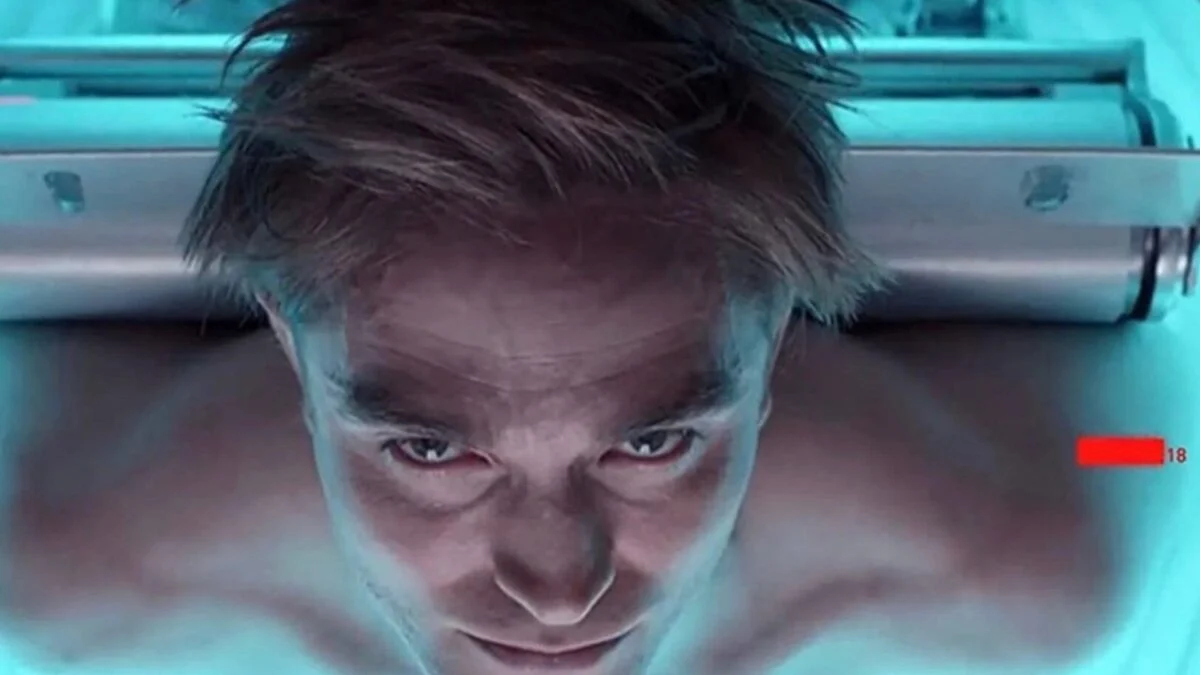
The screening room held its breath. Bong Joon Ho sat very still, the kind of quiet you hear before a verdict. For a director who had just returned from the Oscars, that silence felt like a lesson landing.
I watched how the conversation around Mickey 17 turned in public and in private. It was Bong’s first movie after Parasite, starred Robert Pattinson, came from Edward Ashton’s best-selling novel, and carried a budget above $100 million (€93 million). Expectations were stacked so high that every small choice felt magnified.
Studio screenings grew oddly hushed
At a late-night test showing, people checked their phones more than usual.
You don’t need me to tell you that moving into classic Hollywood studio territory changes the pressure. Bong told Variety he felt “a lot of psychological, mental pressure” even though the filmmaking mechanics didn’t change. That pressure altered the way options were weighed—every note, every color grade, every marketing beat suddenly came with extra gravity. The sensation was like a pressure cooker: the same ingredients, but a different way of measuring heat.
Why did Mickey 17 fail at the box office?
Critics generally liked it, but audiences didn’t flock to it the way studios hoped.
Box-office performance is rarely a single cause. Some viewers found the themes too on-the-nose; others wanted more of Pattinson’s magnetism and less of the film’s philosophical weighing. Marketing can only take you so far when a film sits between art-house expectation and blockbuster billing. You have to reckon with timing, competing releases, and whether word-of-mouth translates into ticket sales.
Critics praised sequences while lines at theaters thinned
Festival clips and reviews praised specific scenes, but ticket queues often told a different story.
I’ve seen filmmakers try to hold two audiences at once: one hungry for spectacle, one hungry for nuance. That balancing act is like walking a tightrope—one misstep and an audience feels the tilt. Bong admitted parts of the film felt heavy-handed at times; that candor matters. It explains why some critics applauded the craft while general viewers left puzzled or underwhelm ed.
Did Bong Joon Ho have final cut for Mickey 17?
Yes—but that phrase deserves context.
Bong confirmed the contract granted him director’s final cut and that studio and agency teams “tried their best to protect” his vision. He also noted the post-production debates were loud and frequent. Still, he said plainly, “all the good parts of that film and all the bad parts of that film came from me. I take full responsibility.” He even invited the criticism directly: “So shit on me if you didn’t like it!” That level of ownership matters in an industry that often diffuses blame.
Bong walked away with clear lessons
He said he’ll likely make smaller films for a while.
If you read his remarks as advice, two things stand out. One: scale changes the psychology as much as the craft. Two: having final cut doesn’t insulate you from audience reaction. You can hold the creative reins and still misjudge how a story lands when the stakes are bigger and the noise louder. For a filmmaker of his stature—Oscar-winning, Cannes-hailed, and a name that sends headlines—the lesson was personal and practical: manage scale so the work stays yours without the weight breaking the tone.
I’ve worked on stories that either ride a wave or get swallowed by it; you learn to spot the currents sooner. Bong’s frankness about pressure, responsibility, and the choice to step back to smaller budgets is a rare public map for other directors, studios, and even platforms like Neon, festival programmers, and trade outlets such as Variety and Deadline that shape perception. So after watching how Mickey 17 unfolded, what would you have done differently?