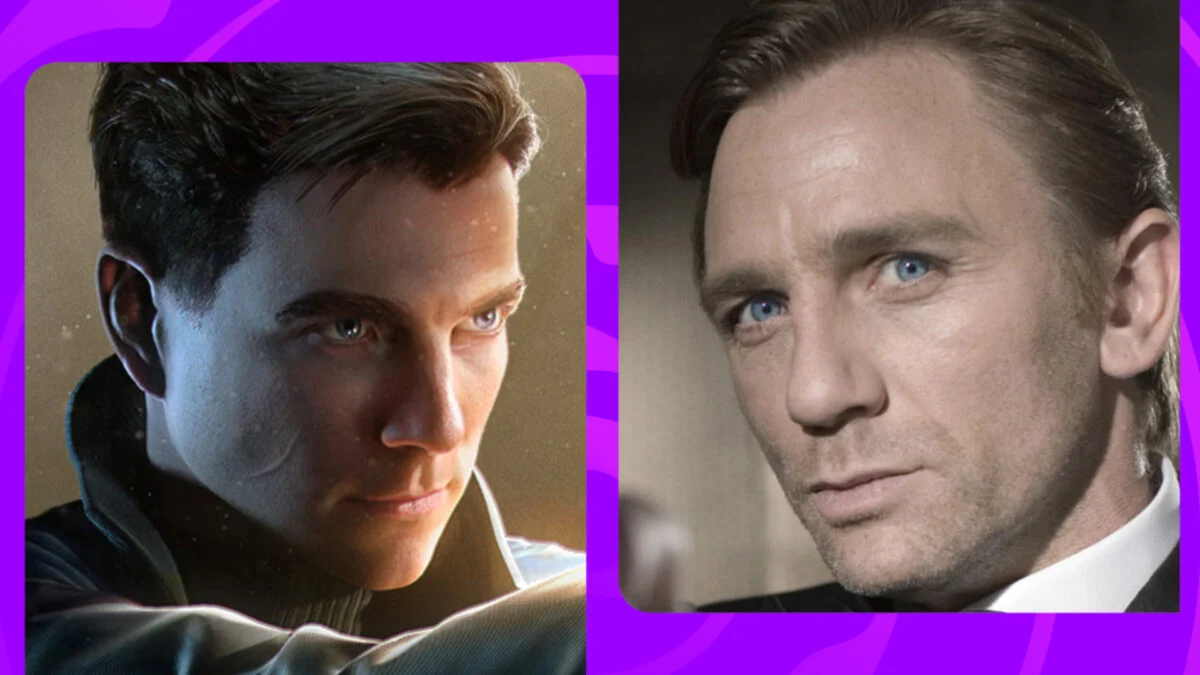
I remember sitting in a theater when Casino Royale started and thinking the franchise had been rewired. The audience wasn’t laughing at Bond’s one-liners — they were listening for proof the character could survive a reinvention. You could feel the franchise holding its breath.
I write about stories that reset themselves because those are the ones that teach us how cultural properties stay alive. You and I both know reboots aren’t a bandage; they’re a test. Here’s what I’ve learned watching Bond relearn Bond.
At a Soho cinema in 2006 audiences watched a new Bond learn to kill — the franchise chose grit over glamour
Casino Royale was a deliberate remap: Eon borrowed the moral weight and stunt logic of Batman Begins and built a Bond who had to earn his name. Daniel Craig’s debut forced the series into a trade-off — practical brutality for emotional legitimacy — and it worked so well that studios suddenly treated reboots like a formula.
The problem is that Bond’s re-education refused to stop. Quantum of Solace, Skyfall, and No Time to Die keep undoing and redoing his progress, introducing supporting characters and tonal resets in fits. The effect is precise: Bond’s identity became a workshop, not a finished suit, and the franchise started to steer itself like a compass rather than sit still.
Who will be the next James Bond?
Amazon has the rights and is actively scouting actors while producers court directors and writers. Denis Villeneuve’s involvement on the feature side raises the stakes; his name alone signals a desire to push Bond into new creative territory rather than merely recast for box-office safety. Casting conversations now run across casting directors, studios, and global platforms — expect announcements to feel curated on YouTube and amplified by outlets like IGN and X.
On a studio floor in Copenhagen developers mapped a young Bond’s instincts — games now carry franchise weight
IO Interactive built 007 First Light as its own origin story with Patrick Gibson portraying Fleming’s young agent. The opening sequence borrows filmic cues — a Lana Del Rey song, title cards — but the game wants to stand on game systems and story beats that belong to interactive design.
Games let Bond practice the craft without the baggage of 60 years of continuity; they spin the character in public view the way a carousel shows every face twice, and that repeated exposure changes how audiences accept new versions.
What is 007 First Light?
007 First Light is IO Interactive’s attempt to create a small trilogy rooted in Fleming’s prose and designed for modern consoles and PC, with a Switch 2 release to follow. It’s deliberately adjacent to the films: story elements nod to cinematic Bond while the studio leans on player agency, stealth mechanics, and a notion of origin that feels both faithful and playable.
At a Cannes-style press room journalists asked whether Bond can survive creative whiplash — the franchise has a built-in fix but it’s messy
Bond’s recurring remedy is simple: cast another actor. The franchise’s soft-reboot loop lets each new lead reset tone, supporting cast, and continuity. That self-correcting mechanism is a strength; it tolerates a misstep by letting the next man make amends. But Craig’s definitive arc in No Time to Die — his very public death — complicates the rulebook.
Studios now juggle game-origin stories, auteur directors like Villeneuve, and corporate owners such as Amazon and Eon. That tension produces fascinating failures and safe bets alike: Spectre stretched with Blofeld-for-family drama and barely created the backlash seen in other modern franchises helmed by figures like Zack Snyder or J.J. Abrams. Bond’s unique template lets it absorb weird choices without collapsing.
Is James Bond dead?
Not in any practical sense. Craig’s narrative death was dramatic, but the franchise is already proliferating across media — from IO Interactive’s game to Amazon’s casting hunt and potential Villeneuve film. Bond survives because the brand exists in multiple formats and because new stewards can reframe the character to fit each medium.
I’ve watched Bond teach himself again and again, and you can feel the pattern: tease a reinvention, test it in public, iterate until the audience accepts or rejects it. So will the next two or three attempts make Bond feel like a living character, or will he become a series of well-crafted demos for other franchises — and which outcome would you rather defend?