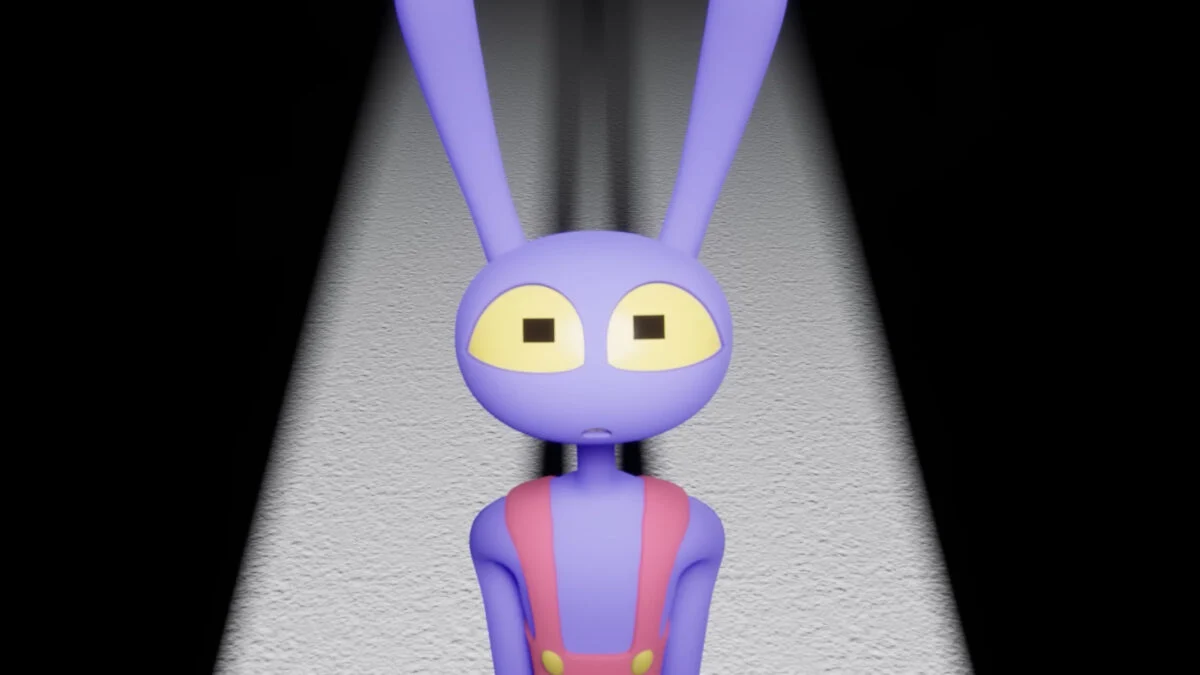
I was in a small, windowless theater when the lights went down and the crowd shouted as if a dynasty had just been dethroned. You felt it in your chest: a grassroots show from YouTube had quietly become the biggest ticket in town. That moment—equal parts joy and unease—explains why The Amazing Digital Circus: The Final Act is now the No. 1 movie at the box office.
I want to walk you through what happened, why it matters, and why you should care — without padding. I follow box-office trackers, creator communities, and festival rooms so you don’t have to. Here’s the tidy, sharp version of how a Glitch Productions-backed web series outperformed studio fare.
In a theater lobby, fans clutched merch and argued about spoilers
The scene felt like a grassroots launch party: people traded theories, wiped away tears, and scanned for leaks on their phones. That intensity is part of the story — fandom drove tickets. A Thursday opening that was projected at $6.8 million (≈ €6.3 million) actually landed at about $8.3 million (≈ €7.6 million), according to Deadline and Exhibitor Relations Co (X: @ERCboxoffice). That figure nudged past other holdovers such as Scary Movie, reported at $7.7 million (≈ €7.1 million).
How did The Amazing Digital Circus beat mainstream movies at the box office?
YouTube built the show’s audience long before any studio deal. Gooseworx and Glitch Productions cultivated a community that treats episodes like serialized events. Creators such as Markiplier, Curry Barker, and Kane Parsons showed how a strong creator-to-audience loop can send viewers from playlists to packed auditoriums. When a finale doubles as a theatrical event, scarcity and social momentum become sales engines. Think of it as a snowball rolling downhill — small pushes on the platform scale into something that can outmuscle bigger marketing budgets.
On box-office trackers, Friday’s numbers flipped the script
I watch Exhibitor Relations Co and Deadline not because they’re flashy but because they register the tectonic plates of attention. The numbers told a simple story: fans voted with their wallets. That vote was amplified by controversy — leaks, old livestreams, and the creator’s own public exhaustion.
Is The Amazing Digital Circus finale in theaters?
Yes. The theatrical run is a limited, event-style showing that doubles as the series finale. For many fans, the only way to properly close the loop was in a dark room with other people reacting in real time. YouTube built the habit; the theater amplified the catharsis.
Why is The Amazing Digital Circus controversial?
Controversy arrived in three flavors: an alleged script leak reported by Popverse, a resurfaced livestream with offensive jokes by some voice actors, and public posts from creator Gooseworx saying the fandom pressure had become too heavy. The social-media churn turned cinematic excitement into something fraught. The creator’s public fatigue added an extra human element — artists can be chewed up by virality, and that changes how people show up.
‘THE AMAZING DIGITAL CIRCUS’ creator Gooseworx says she knows that people are upset about her response after the series finale got leaked.
“I kind of just wanted to make a cartoon, & it’s ended up being way more trouble than it’s worth. I really just can’t keep my heart in this… pic.twitter.com/bMtS3fsYYY
— Cartoon Base (@TheCartoonBase) May 22, 2026
At community hubs, moderators scrambled to manage spoilers
Discord servers and subreddit threads turned into pressure cookers. Moderators posted spoiler rules, fans traded time-stamped reactions, and creators watched the discourse metastasize. That mix of intense ownership and friction is what turned a release into a cultural flashpoint.
The dynamics here are useful for anyone paying attention to creator economy business models: when fans feel proprietary, they will buy experiences and police each other’s behavior. That can be a marketing force and a reputational risk at the same time.
In analytics dashboards, independent projects are suddenly visible to studios
Streaming platforms and distributors are monitoring YouTube, Discord, and X like a scout watches prospects. Independent series that build repeat engagement are now legitimate acquisition targets. The Curious part is how quickly a nonprofit-feeling labor of love can become a revenue generator — and a PR headache.
Glitch Productions and Gooseworx didn’t just create a show; they created demand signals that studios and advertisers can read. If you work in production or marketing, that’s a model you should respect and study.
The show itself still lands as a compelling piece of storytelling: it borrows existential dread from classics, remixes it into bright, grotesque cartoon colors, and keeps you rooting for oddly charming characters. If you’re wondering what made viewers care so deeply, the narrative stakes are clear and the delivery hits like a neon sign in a rainstorm — bright, impossible to ignore, and a little melancholic.
Whether you love the finale, hate the fandom, or are just curious about how a YouTube series usurped a theatrical weekend, the event raises a sharper question: what happens when community-powered media gets the same commercial stage as studio work — and who pays the emotional cost?