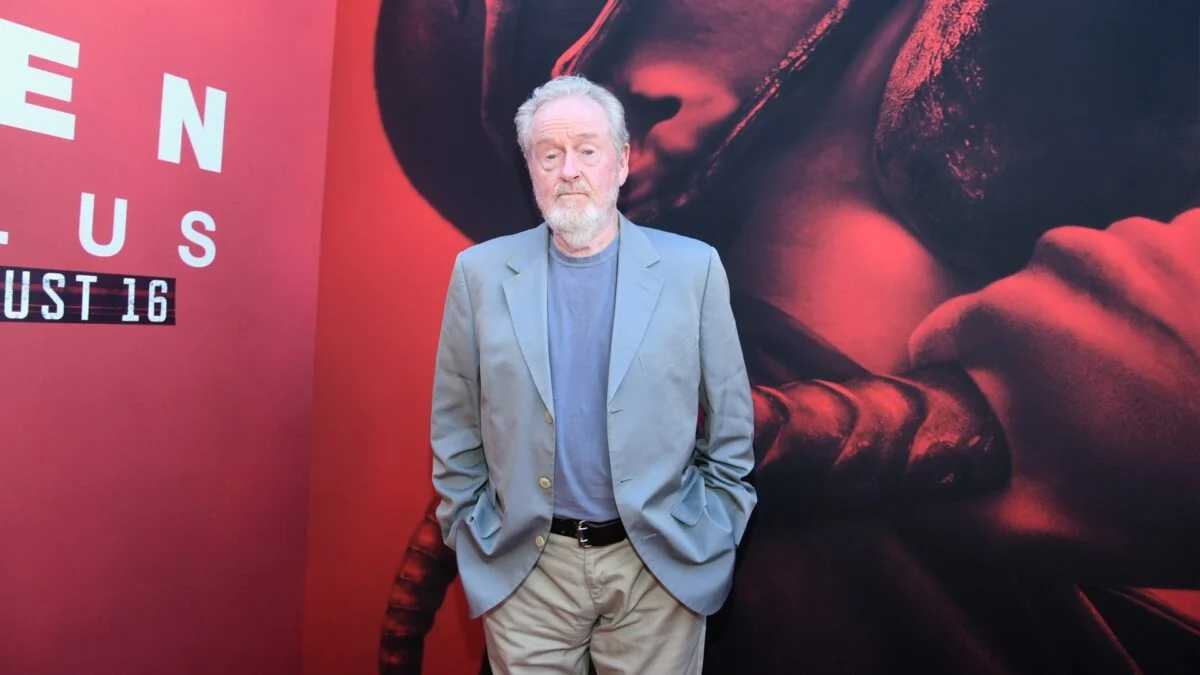
I was in a theater when Alien first crawled across the screen and everyone shrank into the dark. Tonight the Academy is handing Ridley Scott an Honorary Oscar, and the moment lands like a late thunderclap. You can feel the awkward relief: praise at last, and the quiet question of timing.
I’ve followed Scott’s career long enough to know how these reckonings work. I’ll walk you through why this matters, who he’s sharing the stage with, and what the honor actually says about awards, history, and memory.
At 88 he’s still working: new films, television, and an unbowed schedule
At 88, Scott is booking projects that younger directors envy. You have The Dog Stars due in August and a newly announced Treasure Island with Hugh Jackman—names that keep investors, studios, and audiences watching.
I want you to picture his filmography: Alien, Blade Runner, Thelma & Louise, Gladiator, The Martian, plus the later prequels and thrillers. His TV producing credits—Alien: Earth, The Terror, Raised by Wolves, The Man in the High Castle—have kept his influence visible on screens of every size. His career’s reach is measurable in industry buzz, streaming deals, and talent who still seek him out.
Why hasn’t Ridley Scott won an Oscar?
He’s been nominated four times for directing—Thelma & Louise, Gladiator, Black Hawk Down, and once for Best Picture with The Martian—and yet no statuette. You should know awards are political and cyclical; timing, campaign muscle, and the competition on a given year tilt results as much as artistic merit does. The Honorary Oscar is the Academy’s corrective gesture: recognition that didn’t land as a competitive prize.
Four nominations, zero wins: what an Honorary Oscar actually means
Four Oscar nods without a win is a fact that nags at fans and critics alike. You may feel it as an injustice; I feel it as a symptom of how institutions allocate credit over time.
The Honorary Oscar celebrates a career rather than one film. It’s not the same as a Best Director victory, but it is the Academy saying, formally and publicly, that your body of work matters. Scott’s influence on sci-fi, production design, and the blockbuster model is undeniable—his visual language shaped entire genres. His filmography stands as a weathered lighthouse guiding filmmakers toward bolder, stranger stories.
What is an Honorary Oscar?
It’s an accolade handed out by the Academy to honor exceptional achievement or lifetime contributions. This year’s ceremony takes place November 15 in Hollywood—days before Scott turns 89 on November 30—so the timing reads like a late-season celebration of longevity.
At the ceremony he’ll be in notable company: peers, pioneers, and producers
At the Governors Awards—the forum for these honors—Scott won’t be alone. Variety reported the other recipients: Glenn Close, who has eight acting nominations with no wins; Floyd Norman, the trailblazing animator hired by Disney in 1956; and producers Christine Vachon and Pamela Koffler, who will receive the Irving G. Thalberg Memorial Award for their long support of independent film.
That grouping tells you what the Academy values this year: a mix of prestige, historical correction, and indie credibility. You should also notice the signals to brands and platforms—studios, streaming services, and festivals all watch who the Academy spotlights because it influences commissioning and marketing decisions.
When are the Honorary Oscars handed out?
They’re scheduled for November 15 in Hollywood, at an event that often precedes the main Oscars season. Keep an eye on coverage from outlets like Variety, which flagged the honorees and contextualized their careers for industry readers and awards strategists alike.
At the crossroads of cinema and commerce: why the honor matters now
At a moment when franchises and streaming juggle attention, the Academy’s choice to spotlight a director like Scott is also a market signal. You and I both know his name still moves talent, budgets, and ticket sales—Hugh Jackman attached to a project, for instance, changes pre-sales and global interest instantly.
I’ll be blunt: the Honorary Oscar doesn’t rewrite history, but it reframes it. It acknowledges influence that wasn’t captured in a single awards night. It also reminds studios and creators that careers are long games—awards boards, festivals, and executives will cite this when placing future bets.
There’s a personal element too. For filmmakers who grew up on Blade Runner or learned practical production from Scott’s setcraft, this moment reads like a payoff for persistence, craft, and risk-taking.
Want more io9 news? Check out when to expect the latest Marvel, Star Wars, and Star Trek releases, what’s next for the DC Universe on film and TV, and everything you need to know about the future of Doctor Who.
You’ve seen how the Oscars can be both prophetic and belated. I’ll watch November 15 like you will—part curiosity, part calculation. Do you think an Honorary Oscar finally fixes the omission, or does it highlight the Academy’s slow-motion catch-up with cultural memory?