
She stands on a rooftop while a memory folds over her like a secret. The city hums below; an ordinary life presses at the edges of an extraordinary absence. I sat down with Milly Alcock and Ana Nogueira and watched them map that absence into story.
I want to be frank with you: this is a movie about inheritance and missing things. I’ll point to the moments that snagged me, the choices James Gunn and Peter Safran greenlit at DC Studios, and why Milly’s Kara feels both intimate and vast.
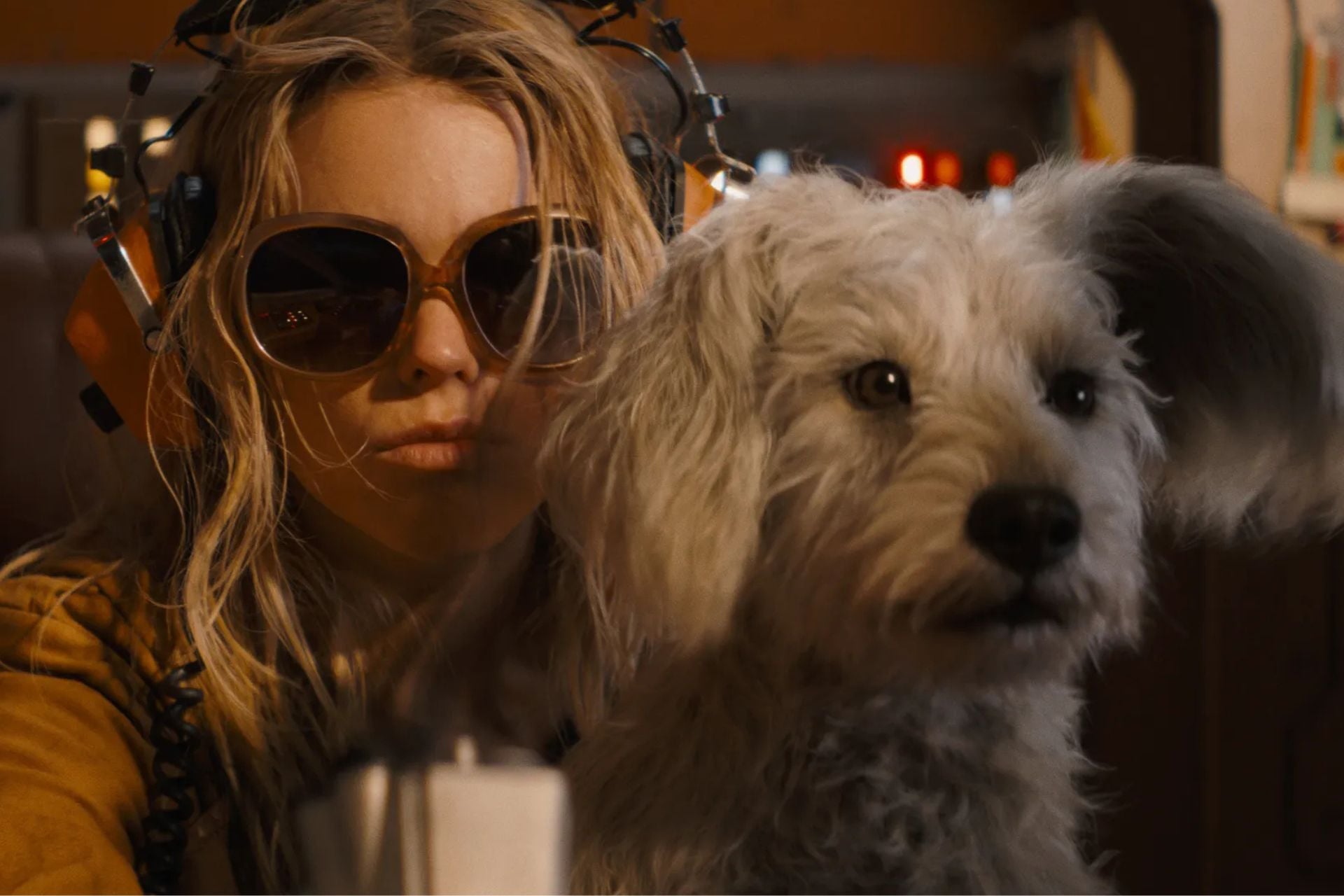
On a busy backlot you notice gestures that reveal relationships. Kara’s past is the engine that drives her present
I’ll say it plainly: the single clearest story decision here is that Kara Zor-El has lived on Krypton and Superman hasn’t. That one fact rewires every beat of the film. Kara carries personal history; Clark carries an absence. You see it in her flashbacks, and you feel it in Milly Alcock’s slow, guarded movements.
Kara’s memories are a weathered map—they point, they tear, they fold; they tell her where she came from and why coming home hurts. Alcock told me she treated that loss as “the core of her trauma,” and you’ll notice the film returns to family scenes to ground Kara’s choices.
How does Supergirl’s Krypton differ from Superman’s backstory?
Short answer: one of them remembers. The movie layers lore from the comics with fresh decisions from Ana Nogueira and the DC Studios team. Nogueira leaned into the human relationships—parents, sibling bonds, private grief—over exhaustive cosmic explanations. James Gunn pushed to streamline certain lore beats so the emotional through-line stayed clean.
At a script read you hear the sentence everyone repeats. The flashbacks were chosen to serve character, not spectacle
Ana Nogueira approached Krypton as material that should reveal Kara’s interior, not just world-build. She told me some sequences came straight from the comics and others were invented to make the father-daughter dynamic ring true. That restraint matters; it’s why scenes with David Krumholtz as Zor-El land with a human weight.
Nogueira admitted there was an early draft where a piece of lore was more complicated—Gunn advised simplification. That editorial moment is an authority cue: the film had to fit inside the wider DC Universe without losing the smaller human beats that carry it.
What did Milly Alcock say about playing Kara?
Alcock said she accepted the role because some opportunities demand you risk everything. She chose to throw herself at a character who is “incredibly complex and surprising,” and she rooted Kara’s arc in who she is when she remembers her planet versus who she becomes on Earth. Her performance trades in tiny gestures—a look, a hesitation—that sell the emotional freight.
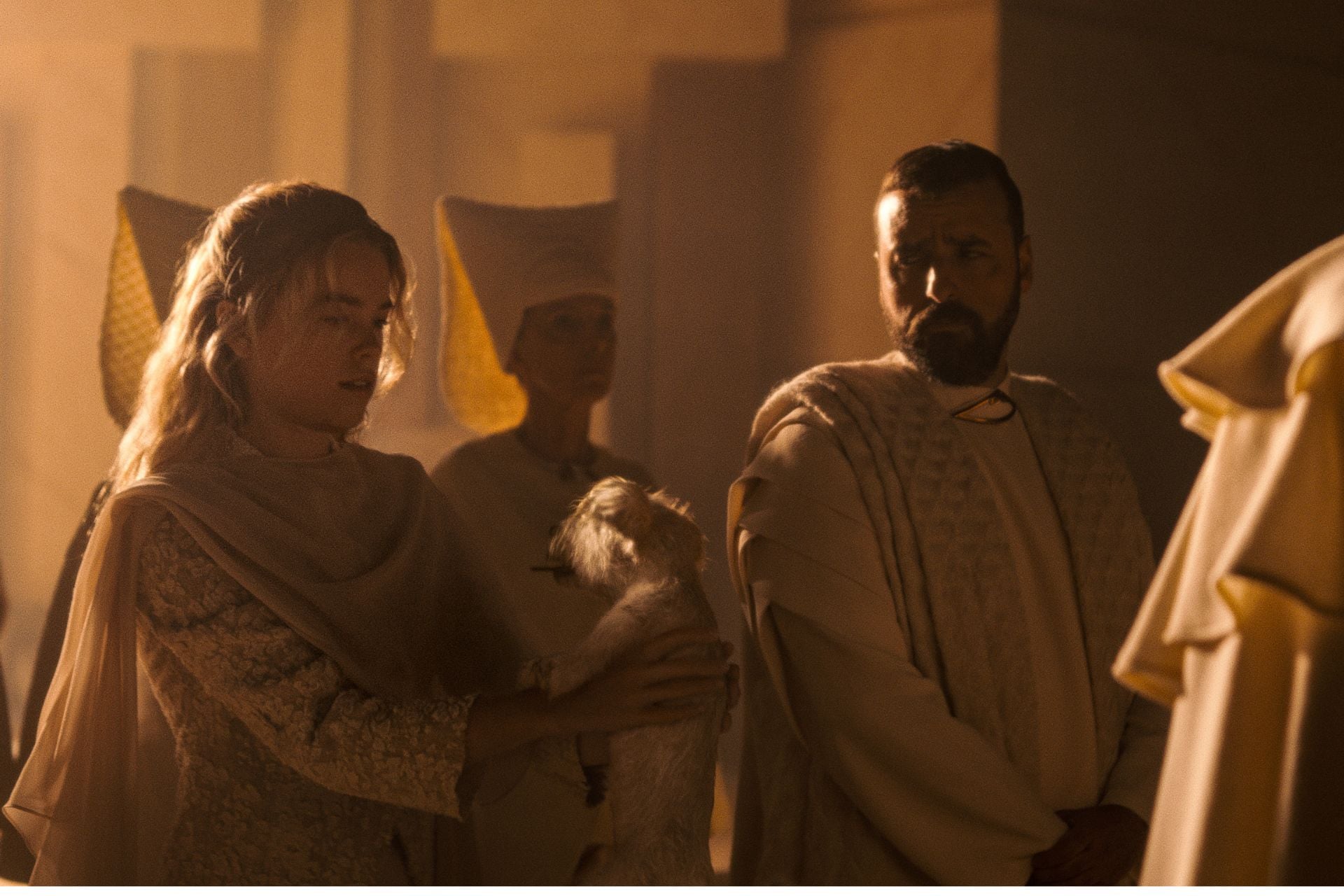
In conversation you can tell which cast pairings are gold. Casting choices shifted tone and trust
David Krumholtz as Zor-El gave the film a rare, grounded warmth. Both Alcock and Nogueira lit up when I mentioned him—he’s an every-dad who becomes mythic on screen. Nogueira even called him an icon she loved growing up; that affection translates into chemistry with Alcock’s Kara and a believable family core.
Her grief is a sealed vault—you can hear the hinges when she opens it, and the film times those openings to change the stakes.
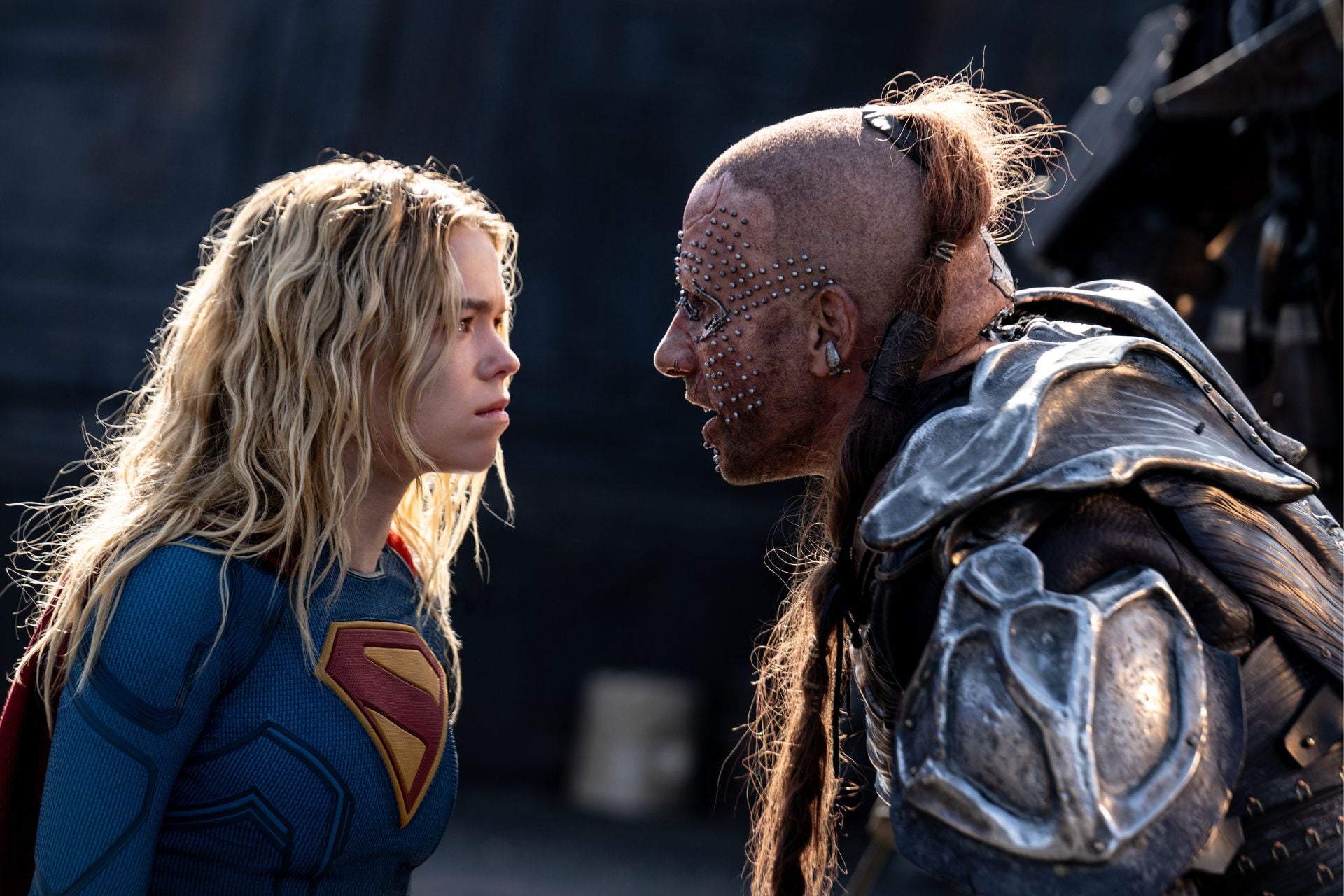
During press you hear which comic beats translate well. Some comic ideas were perfect; others had to be rethought
Nogueira admitted that certain comic moments—a flying horse, for instance—read brilliantly on the page but would confuse moviegoers. She kept scenes that served character and excised or altered ones that would derail clarity. That editorial humility is a strength; it keeps the film anchored while still honoring its source.
There are moments in the film clearly lifted from the comics, and there are inventive flashes that feel cinematic. io9’s conversation with both women underlined a shared priority: character first, myth second. The result is a Supergirl who belongs to the DC Universe and also feels personal.
Supergirl opens in theaters on June 29. I told both Milly and Ana that their choices made Kara complicated and recognizable; they smiled, and you can see why Warner Bros. and DC Studios put trust in this version of the character.
So which part of Kara’s story will stay with you longer: the memories she carries or the emptiness she faces?