
The TIE Avenger slices across a storm-slate sky and I stop breathing. I set the book down and the room gets quieter—too quiet. You feel the pull the moment a series you loved becomes something you can hold.
I write about film design and visual storytelling and I will tell you what matters in this book without the fluff. This is not an ad; it’s a guided tour from someone who cares about how a story looks as much as how it lands.
The Magic of ‘Andor’ Returns With an Exclusive Look at Its Art Book
On my coffee table, the book’s cover bears a smudge from late-night reading.
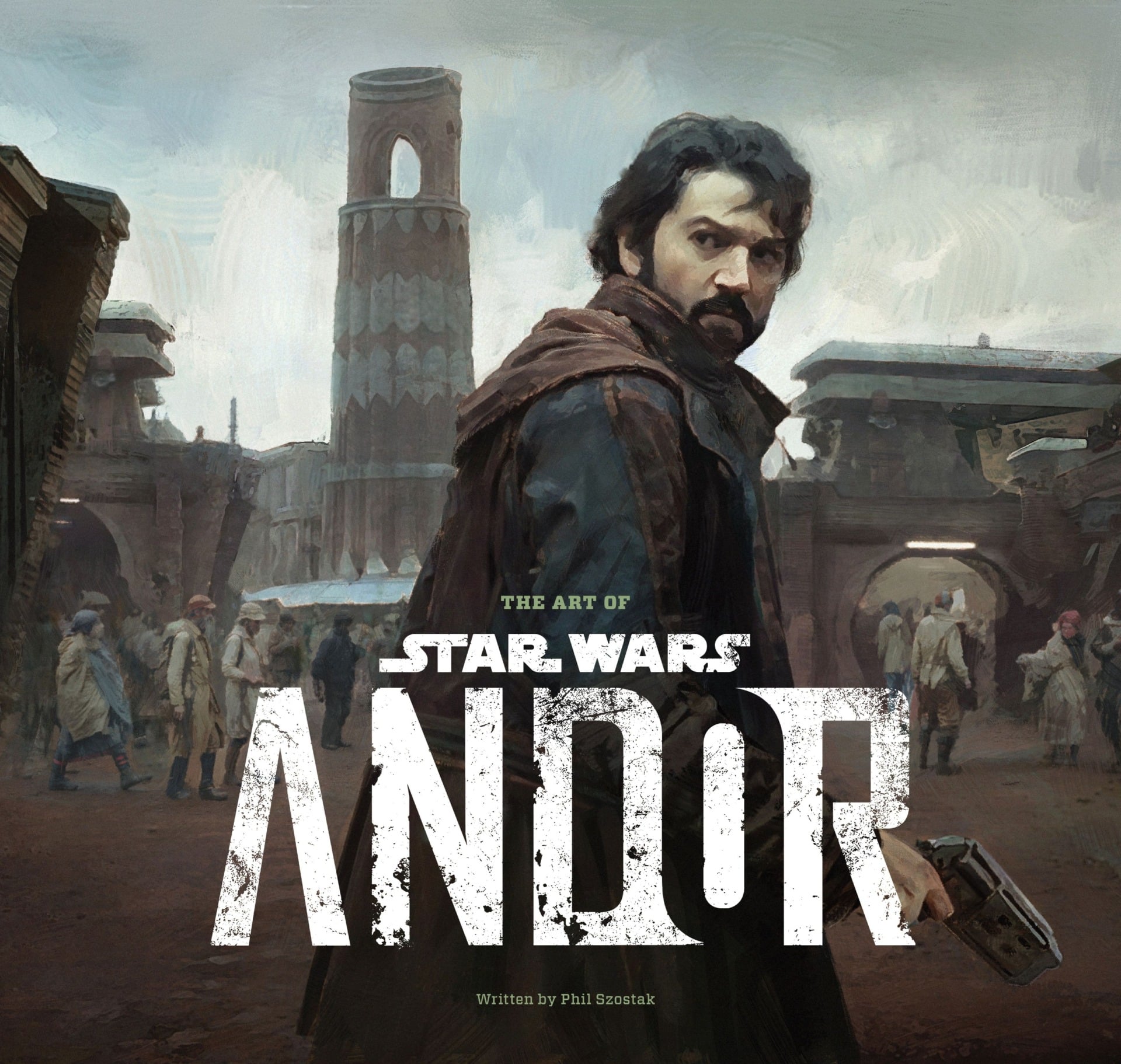
The new volume, The Art of Star Wars: Andor (The Complete Series) by Phil Szostak, collects concept art, production notes, and behind-the-scenes commentary for both seasons. Tony Gilroy supplies a foreword and Dan Gilroy closes with an afterword; Dan’s Emmy for Outstanding Writing for a Drama Series is the kind of authority that anchors this project. You’ll find costume sketches, ship diagrams, location studies, and the kind of production photography that answers how a shot was composed and why it lands the way it does.
What is in The Art of Star Wars: Andor (The Complete Series)?
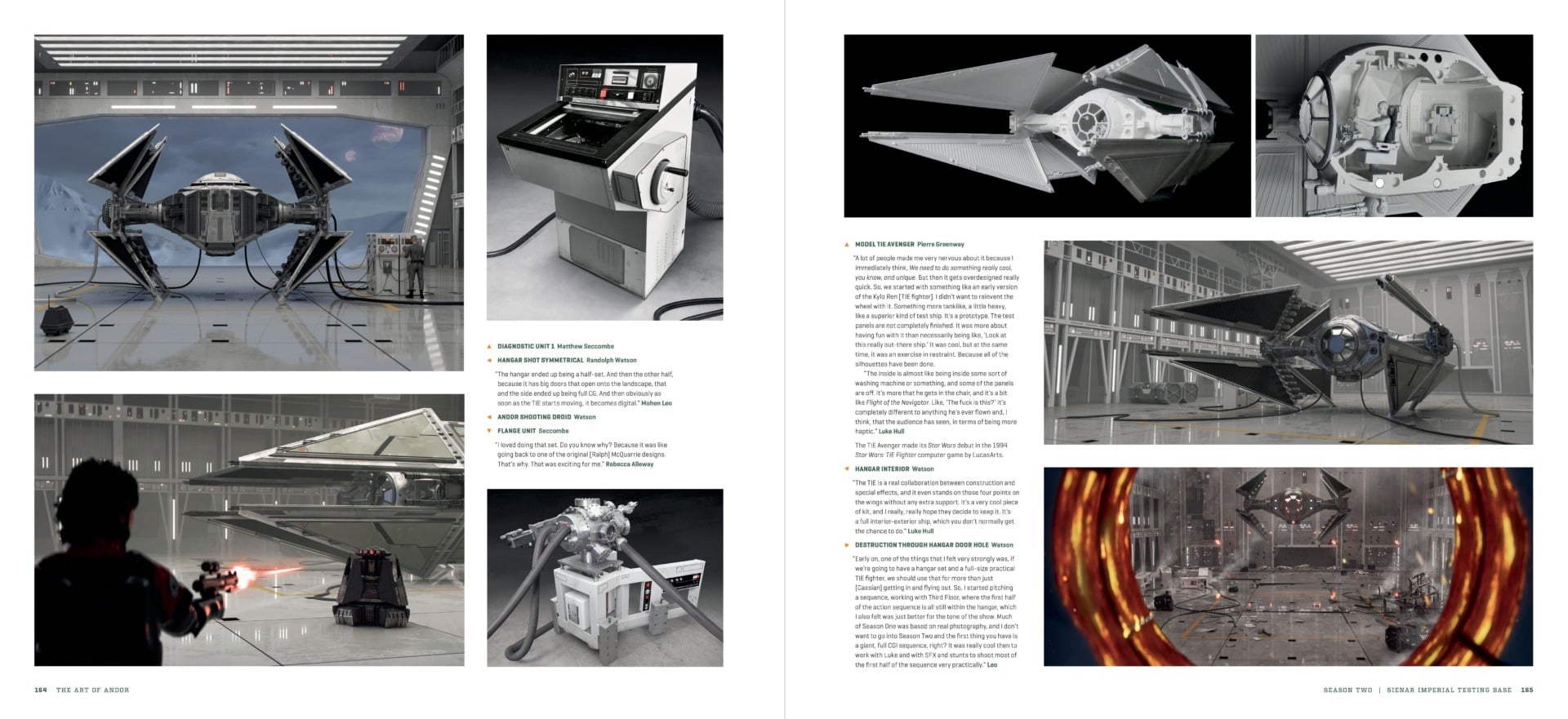
Sketches and storyboards trace Cassian Andor’s arc from child to catalyst. Production designer Luke Hull and concept artists lay out the prototype TIE Avenger, costumes for the Imperial and Rebel sides, and environmental work that frames planets as political spaces. Phil Szostak organizes these materials with captions that read like short annotations from the set: who suggested an angle, which prop was reworked, and how a palette was chosen to carry a scene’s mood.
In a studio room, sketches are pinned to a wall and someone steps back to squint at the whole page.
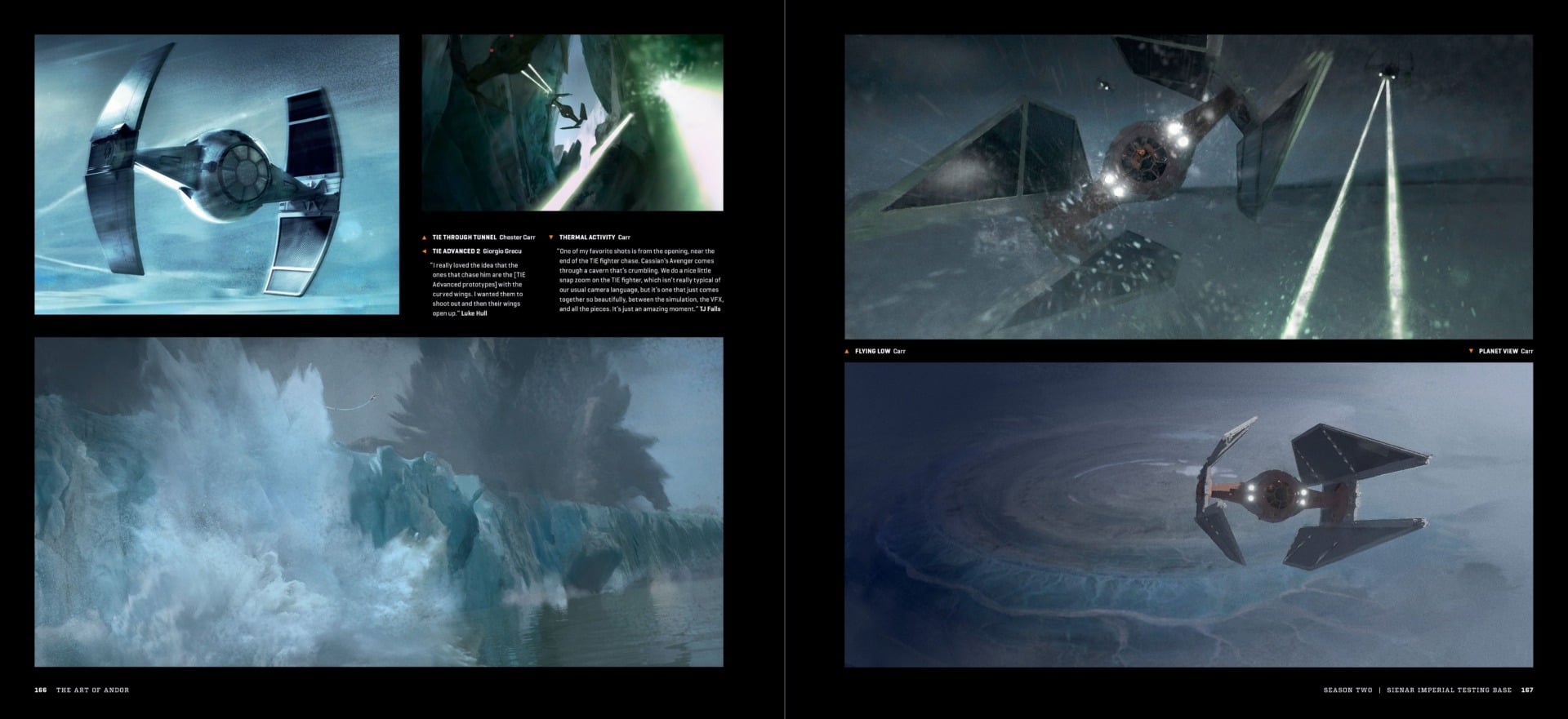
The book is as much tool as trophy for anyone interested in design. Phil Szostak’s layouts are a living atlas. You’ll see the sequence where Cassian steals the prototype TIE Avenger stretched across several pages—concept art, camera staging, and production notes that show the decisions behind the chase.
Who worked on the Andor art book?
Abrams Books published the volume; Phil Szostak curated the material and organized the narrative of the book. Tony Gilroy (series creator) contributes a foreword and Dan Gilroy (writer, Emmy winner) provides the afterword. Production designers, concept artists, and Luke Hull are all credited inside—Hull’s notes on the TIE Avenger call out influences as varied as classic sci-fi films and the textures of midcentury industrial design. Lucasfilm supervised the approvals and Diego Luna’s performance remains the emotional throughline the art supports.
At a publisher’s warehouse, pallets wait under fluorescent lights for the first wave of orders.
The book goes on sale June 30 and retails for $60 (€55). You can preorder from Amazon or buy it at independent bookstores; the listing on Amazon contains sample spreads if you want a quick preview. Movies & TV has preview images and Abrams provided exclusive plates used in promotion.
How much does The Art of Star Wars: Andor cost and where to buy it?
Expect to pay $60 (€55) at major retailers. Amazon has preorders and Abrams’ site lists shipping partners. Independent bookstores and museum shops that stock film art monographs will carry it too; if you prefer to shop locally, call ahead—first printings of high-demand art books often sell fast.
If you loved the show’s quiet brutality and careful staging, this book acts as a companion that explains the visual choices and preserves them. The TIE Avenger in the concept art is a shard of alien glass against the sky. Luke Hull’s description—wanting the craft to feel almost like the alien ship in Flight of the Navigator—reads like a small confession from the design room and it matters because it tells you where the emotion came from.
This is the kind of volume you’ll return to when you want to track a single decision across scripts, camera angles, and costume notes. Tony Gilroy’s voice and Dan Gilroy’s closing thoughts give the book narrative weight; Szostak organizes the material so that designers, fans, and students of the series all find useful paths through the material. Abrams has packaged it as a deluxe coffee-table book with heavy paper and wide gutters—filmmaking presented in a format that respects the images.
So you can buy a museum-quality artifact that explains why a scene works, or you can stick to streaming the show and letting details slip by. Which would you choose?