
The wing ripped free. Kshar’s tail shredded as gears chewed through metal and bone. He hit the cobbles and time folded—air frozen, a crowd caught mid-throw, the palanquin suspended like a question. When motion snapped back, everything he gambled on had already been lost.
I read that scene aloud to myself before I ever met the team behind MAYA. You’ll want to hear it too—Hugo Weaving brings that moment to life in an exclusive audiobook excerpt that Movies & TV is sharing here. Trust me: if you like fiction that feels like a public emergency, this one is engineered to pull you through.
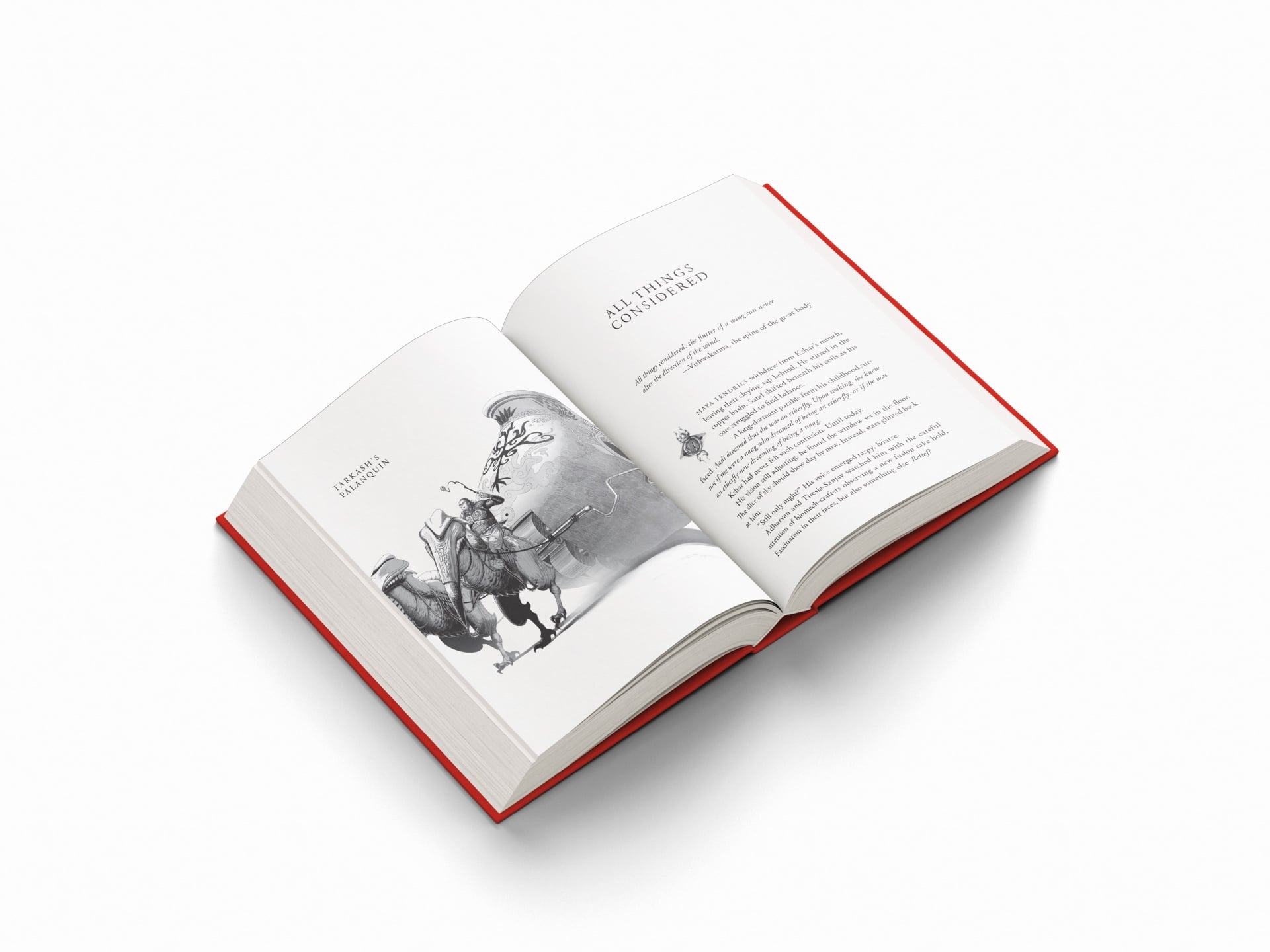
In airport kiosks, covers scream harder than table-top displays. What the book looks like matters—then the narrator makes it live.
You’ll recognize the names: Anand Gandhi (the filmmaker behind Ship of Theseus) and Zain Memon (who wrote SHASN). They spent five years building a shared universe, and they recruited scientists, linguists, architects, and artists to keep logic tight and surprise sharp. That’s not marketing fluff; it’s the reason the book’s world feels like an account you could lose a friend to.
When does MAYA: Seed Takes Root release?
It arrives August 25, 2026. Preorders are live at entermaya.com/Movies & TV and the publisher is Authors Equity via Department of Lore Inc.
On commuter trains, you hear the same narrator on repeat and you start measuring voice against memory. Narration changes the way we steward attention.
That’s where Hugo Weaving matters. His voice—well-known from The Lord of the Rings and The Matrix—reads this exclusive excerpt for Audible and other audiobook platforms. Hearing him is like being handed a map that labels danger in ink you can’t ignore. The excerpt lives at Movies & TV now, and it’s a strategic hook: a short, sharp taste that flips curiosity into commitment.
Who narrates the audiobook?
Hugo Weaving. His presence serves two roles: familiar authority for discovery algorithms (Audible, Spotify, Apple Books) and an emotional accelerant for listeners who trust a known voice. If you browse Goodreads or follow audiobook charts, expect spikes in interest tied to his name.
In busy marketplaces, a single theft can change the mood of an entire afternoon. That catalytic move is how stories create momentum.
The opening chapter reads like a masterclass in cause-and-effect. You meet Kshar, a naag operative, watch his moral squeeze—protecting a weak scion, provoking a riot—and then you watch a city’s surveillance apparatus react. The plot threads touch modern anxieties: mass data harvesting, curated memory, and a competition called the Divya Trials where one winner gains godlike predictiveness. Maya is a cathedral of memory and also a ledger that sells what you forgot—two images that should sit in your mind as you read.
What are the Divya Trials and why do they matter?
The Trials are a planetary contest: billions compete for immortality and near-omniscience. The living forest Maya functions as a neural network—citizens tether daily, their thoughts become feedstock for immortal Divyas. The book uses that premise to ask: who owns your story when every memory is tracked and monetized?
The text folds South Asian myth into science fiction and social critique. You’ll find political theater (garuda mayors), bio-technology (vajra armor), and social fracture (naag, vaanar, manushya hierarchies) that echo current debates about data, surveillance, and platform power. If you follow reporting on Big Tech, privacy debates, or AI ethics, this novel reads like a parable written by someone who’s read the white papers.
There are deliberate emotional levers: the private promise of immortality, the visible cruelty of policing, and the quiet grief of ordinary people. Those triggers are what make scenes replay in your head after you close the book.
Where to preview: Movies & TV offers the exclusive Hugo Weaving excerpt and the book’s first chapter in text. If you prefer listening, check Audible or the platform where you get audiobooks; if you prefer discussion, Goodreads groups and subreddit threads will light up once the excerpt circulates.
The storytellers behind MAYA built momentum like a watchmaker—tiny gears that all lock together—so small scenes reverberate later. One more note: the prose keeps stakes high and questions personal, which is how it turns curiosity into real tension.
If you want a single reason to preorder, think of it as a proposition: a piece of speculative fiction that treats data as worship, and then puts worship on trial. Will the world in the book mirror ours soon enough to make you uncomfortable—enough to act?