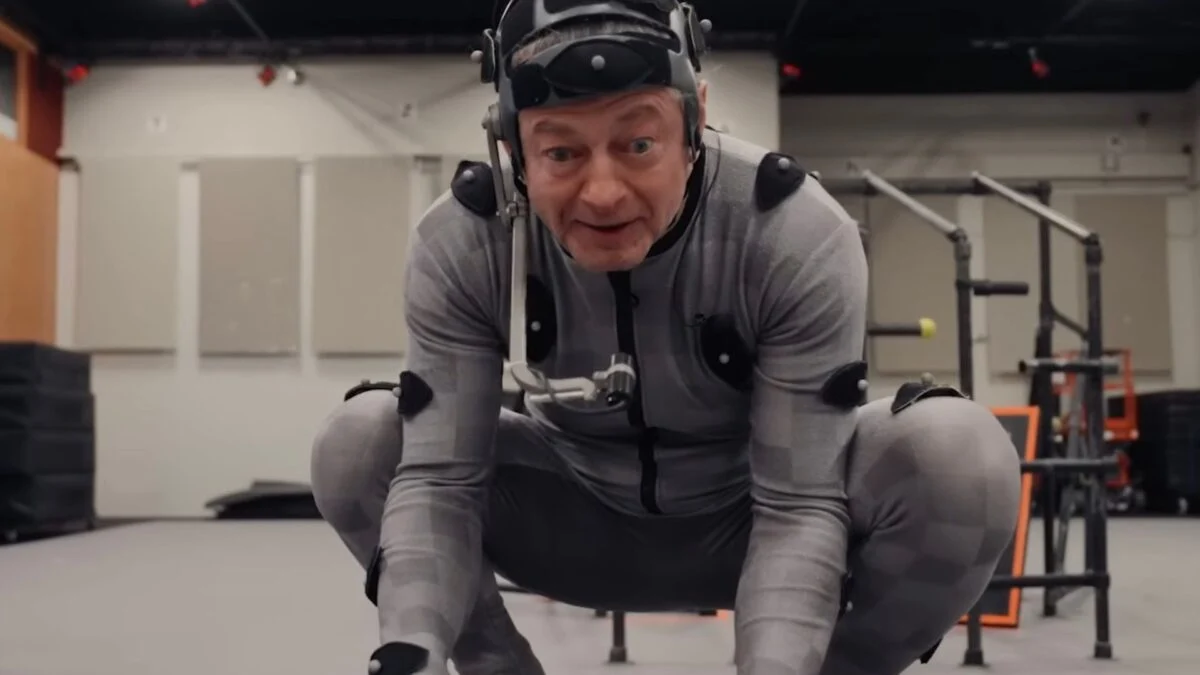
I paused the short Warner Bros. clip before it finished. You feel that small, electric recognition—the map, the light, the face. The announcement was a thunderbolt that rewired fan hope.
I’ve covered set starts before, and you learn to read small signs: a hand on a prop, a silhouette on a ridge, the sound of a camera breathing. Let me walk you through what the first week of filming tells us about The Lord of the Rings: The Hunt for Gollum, why this one matters, and what to watch for as cameras roll toward December 17, 2027.
Fans flooded feeds within minutes. The short Warner Bros. video did three things at once: it confirmed production had begun, it put Andy Serkis behind the camera, and it spit a handful of images that smelled unmistakably of New Zealand.
The clip is small but precise: Serkis appears not only as the director but stepping into Gollum’s skin again. Peter Jackson shifts to producer duties while Serkis takes the helm—an internal handoff that signals continuity and a new creative pulse. Weta Workshops and visual-effects heavyweights are likely to return, and that means the film will probably aim for the same tactile, practical-meets-digital language that made the original trilogy sing.
When does The Hunt for Gollum come out?
The film opens on December 17, 2027. Mark your calendar; studios often place holiday releases to chase higher box office returns and awards-season visibility. If the studio budgets for a broad campaign, expect tie-ins across Warner Bros. platforms and streaming promotion on Max.
A list of names dropped into the press release and it raised more questions than answers. The cast list confirms legacy players and ambitious new choices.
Ian McKellen, Elijah Wood, and Lee Pace return as Gandalf, Frodo, and Thranduil. Andy Serkis returns to the role that defined modern motion-capture acting. Jamie Dornan is stepping into Aragorn’s boots in place of Viggo Mortensen. Kate Winslet is listed as Marigol and Anya Taylor-Joy as Seren—new characters that could shift the story’s emotional center. That combination feels like a tension between comfort and deliberate reinvention.
Who is directing The Hunt for Gollum?
Andy Serkis is directing while also performing as Gollum. His stewardship is significant: he knows the character from the inside out and has built a directing résumé that includes motion-capture fluency. Having Peter Jackson producing keeps a tether to the original creative DNA.
There’s no full plot synopsis yet, which is the studio’s second tactic: withhold the map so curiosity does the marketing for them. What we can infer is tactical and story-driven.
The most likely timeframe sits before and during The Fellowship of the Ring, covering the period when Gandalf and Aragorn searched for Gollum and Sauron’s forces closed in. Gollum is a splintered mirror reflecting every choice gone wrong—if Serkis leans into psychological horror over spectacle, this could be the franchise’s quiet, agonized center.
Who is in the cast of The Hunt for Gollum?
Confirmed returnees: Ian McKellen (Gandalf), Elijah Wood (Frodo), Lee Pace (Thranduil), and Andy Serkis (Gollum). New and recast additions include Jamie Dornan as Aragorn/Strider, Kate Winslet as Marigol, and Anya Taylor-Joy as Seren. Production notes list Warner Bros., New Line Cinema, and support from Weta—names that speak to the production scale fans expect.
Industry signals matter: a rumored budget figure has circulated—around $250 million (€230 million)—which, if true, puts this film squarely in blockbuster territory. That kind of money buys VFX ambition, global marketing, and a wide theatrical window in key markets including the U.S. and Europe.
You’ll want to watch three practical vectors over the next year: set photos and shooting locations (New Zealand is implied), official production stills and behind-the-scenes clips, and how Warner Bros. sequences release windows with Max. Each will tell you whether this is a nostalgic return, an expansion, or a reinvention.
There’s room for debate: does bringing a performer-director back to a role lock the film into repetition, or does it promise a deeper, actor-driven excavation? Which path would please you more as a fan or a casual viewer?