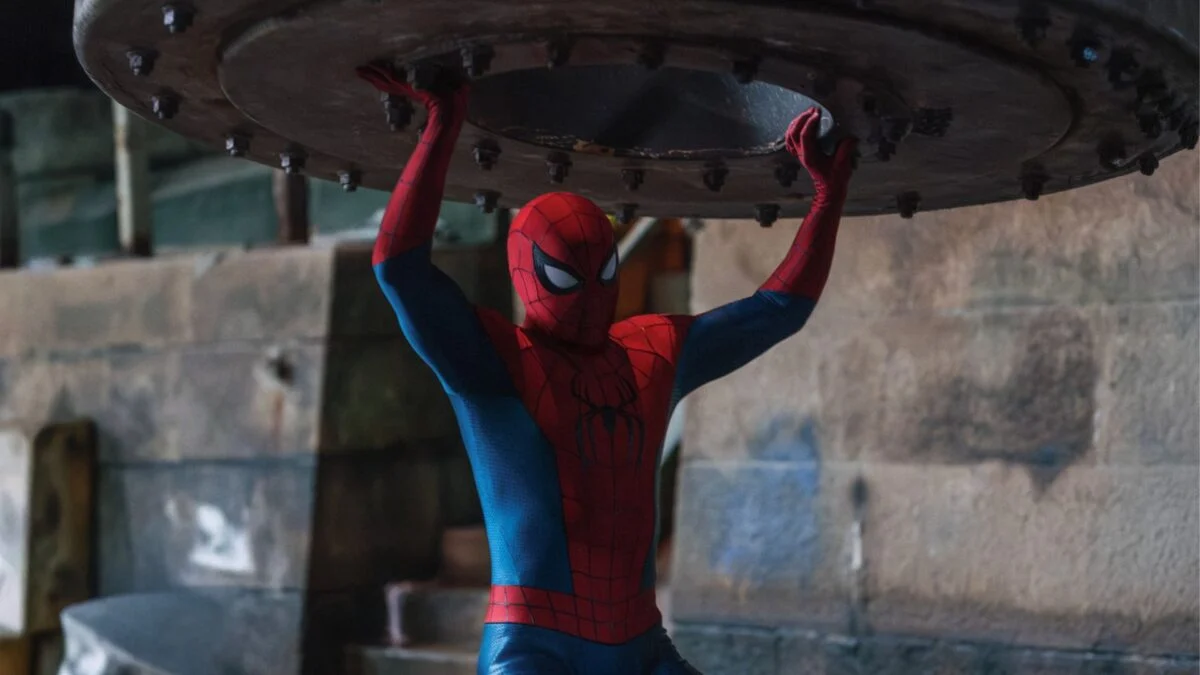
I heard Tom Holland on a podcast and felt the promise of a Spider-Man/Venom meeting unravel in real time. You could almost see executives rearrange chess pieces while the opportunity slipped away. The idea hung like a door left slightly ajar.
I’m going to walk you through what Holland actually said, why timing and studio strategy mattered more than fan wishlists, and what that means for the next move — without pretending there’s a simple, heroic fix. Read this like a briefing from someone who follows both studios closely and remembers the deals behind the curtain.
On-set clues: mid-credits teases that set off the rumor mill
When Sony and Marvel plastered mid-credits cameos across two franchises, the internet reacted like it had caught a scent of inevitability. You saw Holland pop up in the Venom: Let There Be Carnage post-credits beat, and Tom Hardy appear in Spider-Man: No Way Home, and suddenly every headline pointed at a meeting that didn’t happen.
Holland’s recent chat with Josh Horowitz on the Happy Sad Confused podcast makes the reason surprisingly mundane: timing. He credited Tom Rothman and Sony’s careful universe-building — the company had a plan to merge Tom Holland’s MCU Spider-Man and Hardy’s Venom “at some point,” Holland said, but the schedule never lined up. For you that means the teasers were strategic signposts, not guaranteed crossroads.
Will Spider-Man meet Venom?
If you’re asking whether that face-off happened off-screen, Holland’s answer is no — not yet. He echoed Kevin Feige’s recent “Always have hope” line but stressed that studios often map long-term plans and then wait for the right beat. In other words: it was in the cards, but the cards weren’t played.
Corporate rhythms: executives juggle franchises like calendar blocks
Look at any studio release calendar and you’ll see a Tetris game of release slots, talent availability, and marketing cycles. That’s the real-world pressure that punctured the crossover idea.
Holland suggested Sony was happy with the Spider-Man path inside the MCU, and Rothman’s team preferred letting the Holland-led films continue their momentum. Add the logistics of actor availability — Hardy has been candid that a bridge almost existed — and you have a classic creative-versus-business stalemate. I’ve covered studio strategy long enough to know a planned merge can stall not from lack of will, but from unwillingness to jeopardize a current cash cow.
Why didn’t Spider-Man and Venom meet?
Because timing is a studio’s unseen veto. Holland said the conversations happened, but they “just never found the right time to do so.” That’s studio speak for: aligning story arcs, contracts, and release dates proved harder than the fan-fueled narrative suggested.
Talent and tone: two actors and two universes that almost shook hands
On paper, Tom Holland and Tom Hardy sharing a scene reads like a headline any publicist would love. In practice, tone matters as much as star power.
Hardy’s Venom belongs to a different tonal neighborhood than Holland’s lighter MCU Spider-Man. Amy Pascal has publicly expressed interest, and both actors left breadcrumbs in press cycles, but the matching of style and stakes can stall more meetings than you’d think. The result: two franchises that passed each other in a hallway, a missed handshake like two trains passing in the night.
Is a crossover still possible?
Holland, Feige, and Rothman have left the door open. You should read “anything could happen” as permission, not a schedule. With both studios keeping options alive — and with producers like Amy Pascal vocal about wanting it — a future crossover remains plausible if commercial logic and creative timing finally sync.
I’ll say this plainly: you and I want spectacle, but studios want risk-managed returns. That is the invisible editor deciding which dream projects move from rumor to greenlight. So where does that leave fans hungry for Venom versus Spider-Man — patient, hopeful, or plotting a social-media nudge campaign?