
The rain tastes like copper against Lynx’s jaw as she stares at a body with too-perfect wings. Her cat answers back with a quip that undercuts the moment by half a beat. I read that page twice and still felt my pulse skip.
I was sent an advance copy of Lynx from Viz Media and you’re getting the kind of notes I take when a book refuses to be neat. I’ll tell you what hooks work, what pulls the mystery forward, and where the art leaves you squinting at choreography instead of at stakes.
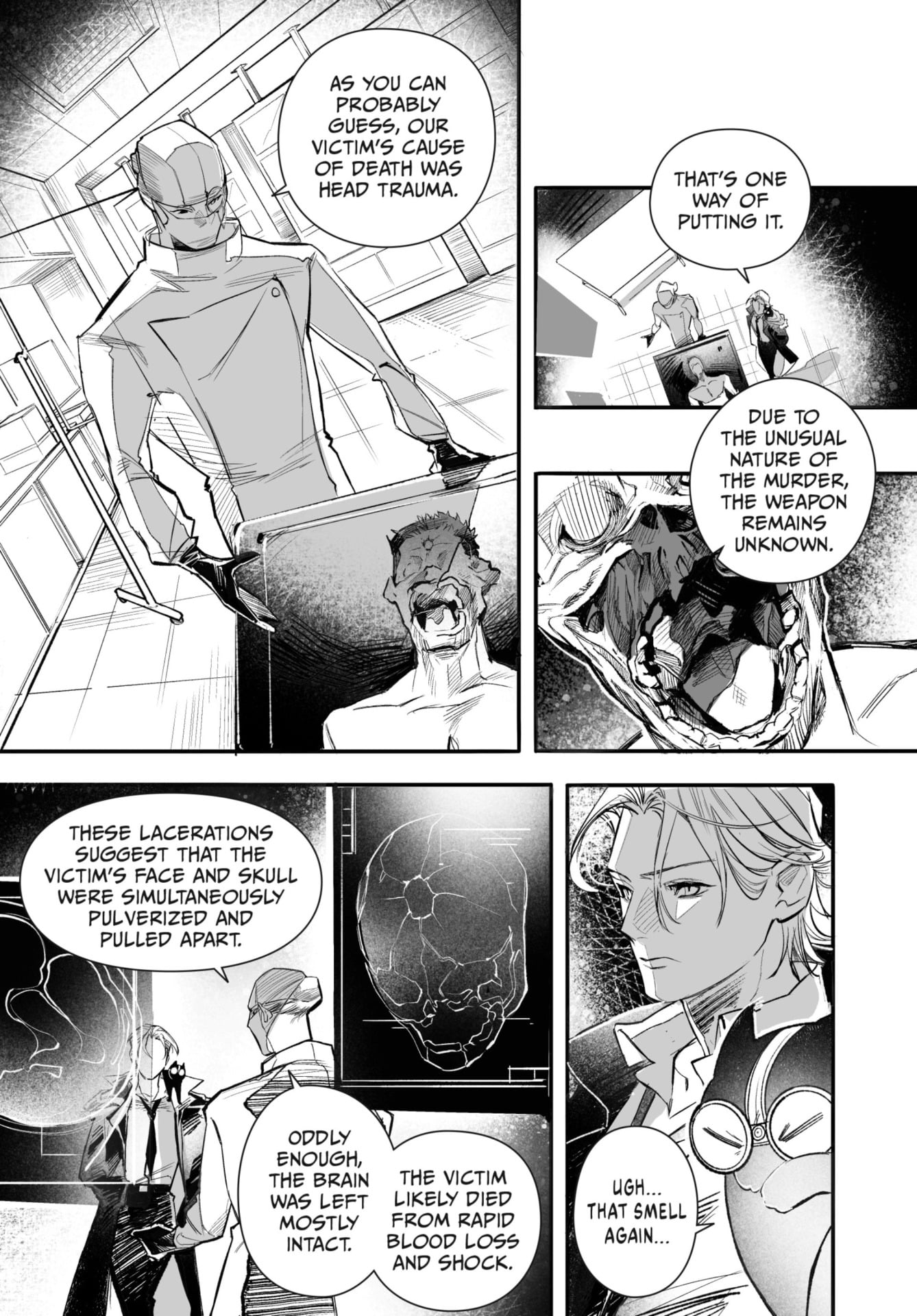
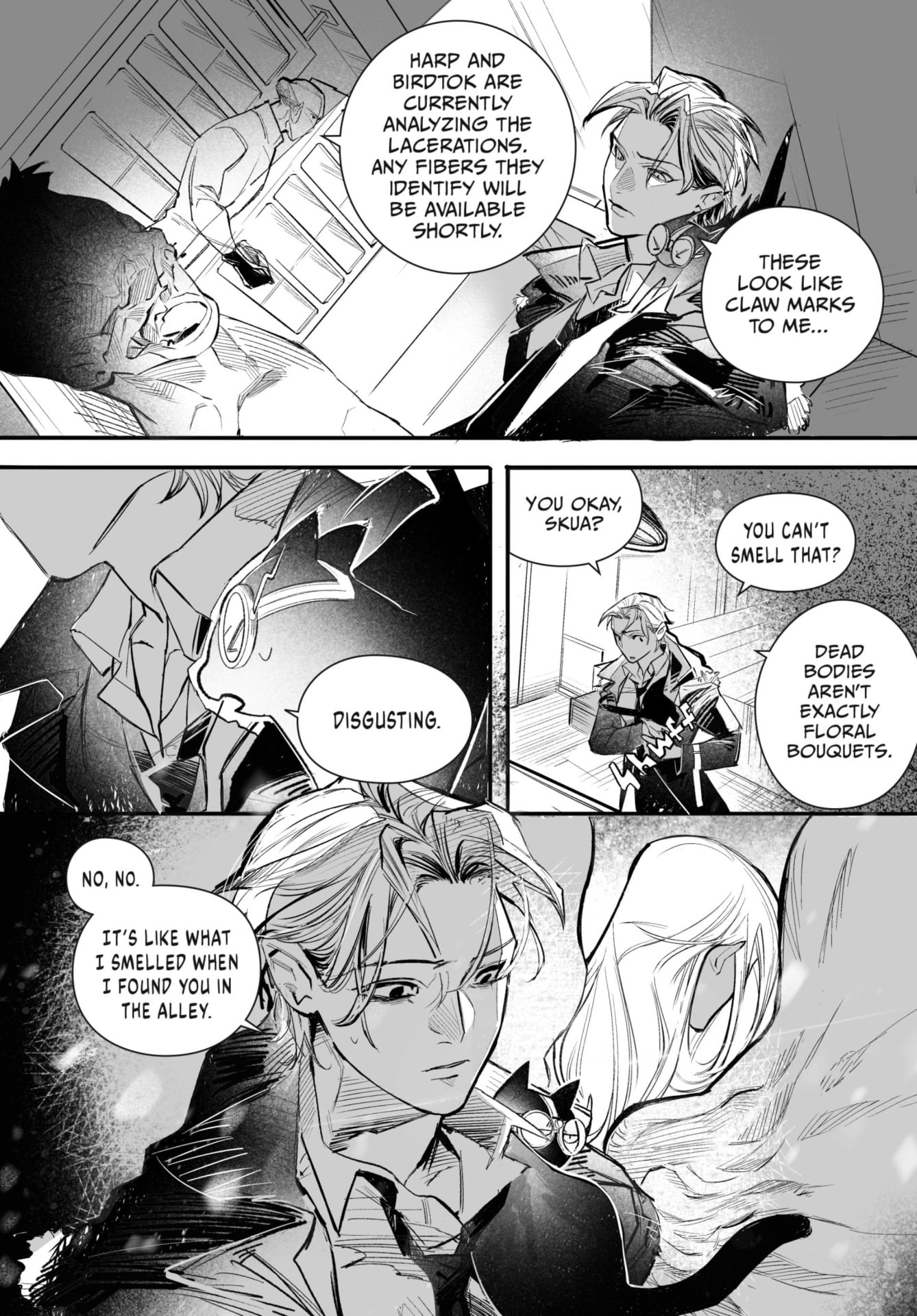
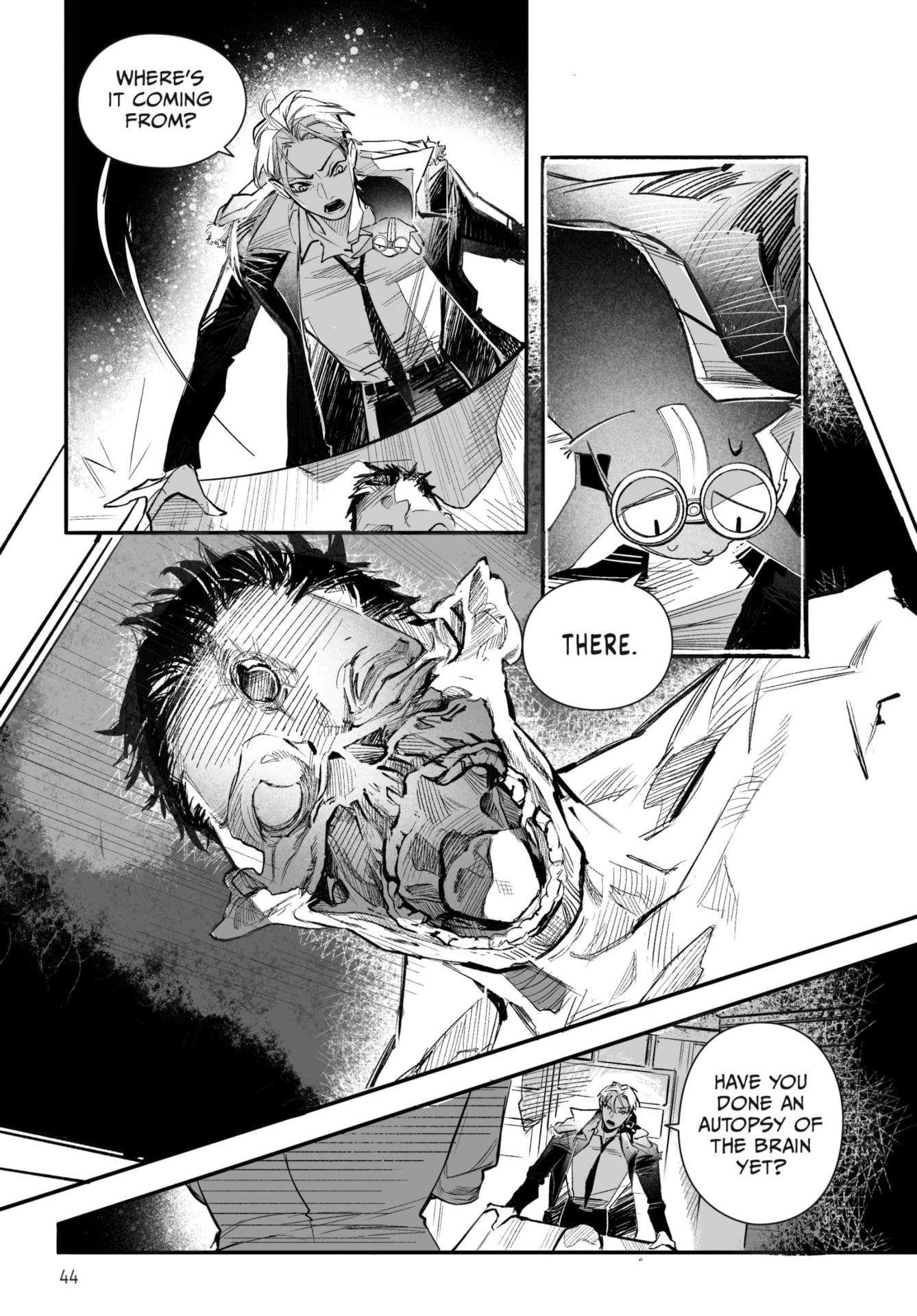
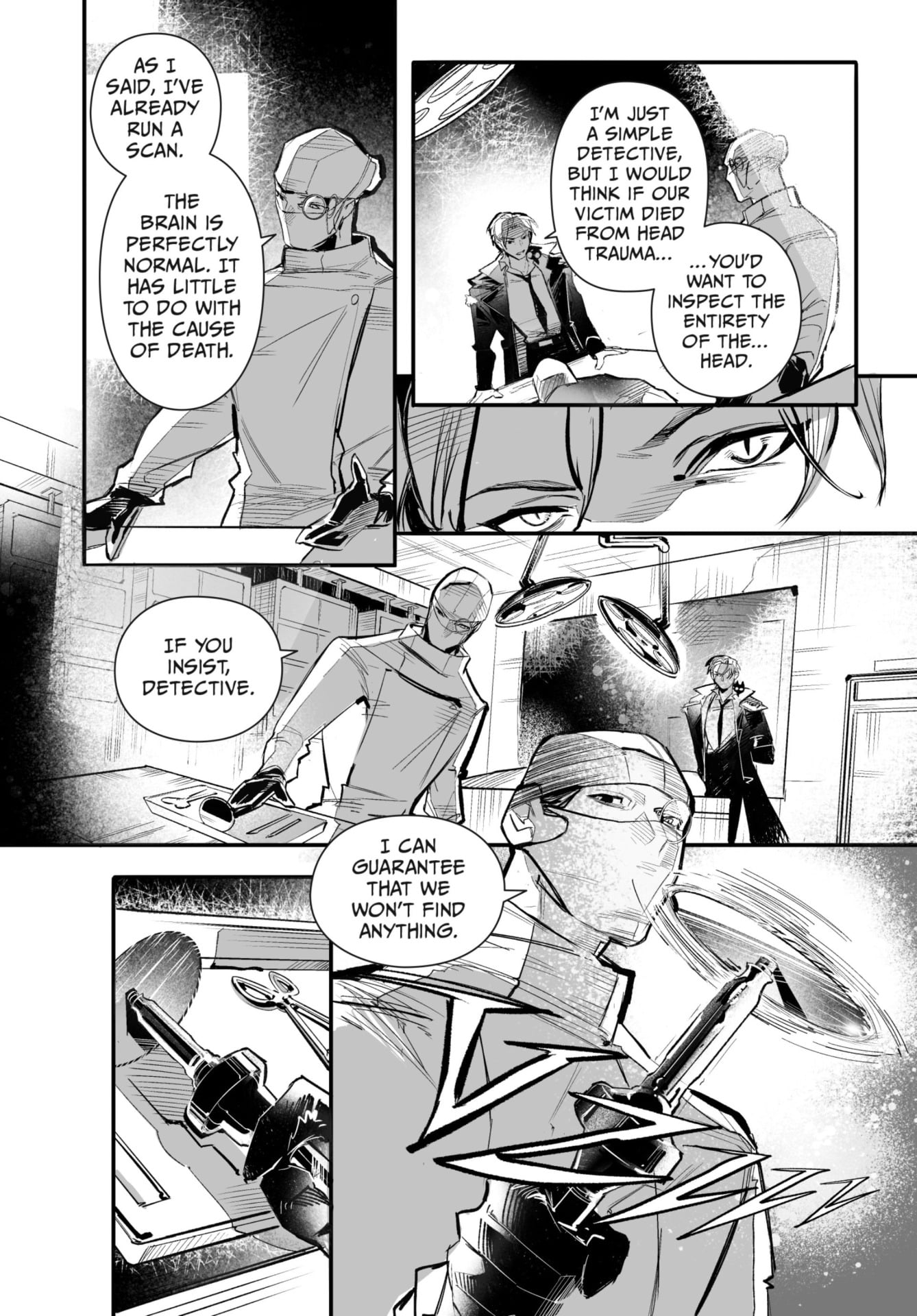
At a late-night convenience store, neon reflections look like a stacked skyline of old tech
The city in Lynx reads as lived-in rather than lecture-in-a-page. I like that Samuel Sattin and tokitokoro don’t dump exposition in a glossary; instead you arrive at New Borealis with the protagonist and pick up the rules as she moves through them. The city is a rusted circuit board; her grief is a weather system.
Here’s what that approach buys you: immediacy. You feel the social hierarchy pressing on Lynx’s cybernetic neck before anyone explains the law that keeps her obedient. The world-building plays like a slow-release clue box, and that keeps curiosity humming rather than overwhelming you with jargon.
At a bookstore table, a bold cover will make you stop and read the blurb
Lynx Takuma is a bio-enhanced detective who’s as tired as she is dangerous. You meet her in medias res: she patrols a post-climate-collapsed city with Task, her reckless partner, and Skua, a talking cat whose sarcasm reads like a coping mechanism. I found the Sapphic undertones between Lynx and her deceased lover to be handled with restraint; the grief informs her choices without turning the series into a melodrama.
That balance matters because the series pairs noir beats with cosmic horror—biblically accurate angels that feel both wondrous and grotesque. If you like the tone of Blade Runner or Naoki Urasawa’s Pluto, this one sits in that neighborhood while making room for its own mystery rhythms.
When does Lynx release?
It’s on shelves August 11 and is available for pre-order now. Viz Media’s Originals line is the publisher of record, and Movies & TV ran an exclusive preview that shows how Samuel Sattin’s plotting and tokitokoro’s layout work together.
What is Lynx about?
At its core, it’s a neo-noir mystery: a detective with cybernetic enhancements, a haunted interior life, and a case that escalates into encounters with monstrous angels. You’ll get procedural beats, political pressure from New Borealis’ elite, and personal stakes—Lynx is guardian to a kid she’s struggling to connect with, and her past lover’s absence colors every decision.
Is Lynx sapphic?
Yes. The queer thread is present and meaningful, woven into the protagonist’s past and shaping how she approaches attachment and duty. It’s not a gimmick; it’s a component of character motivation.
At a martial-arts studio, choreography makes or breaks a sequence
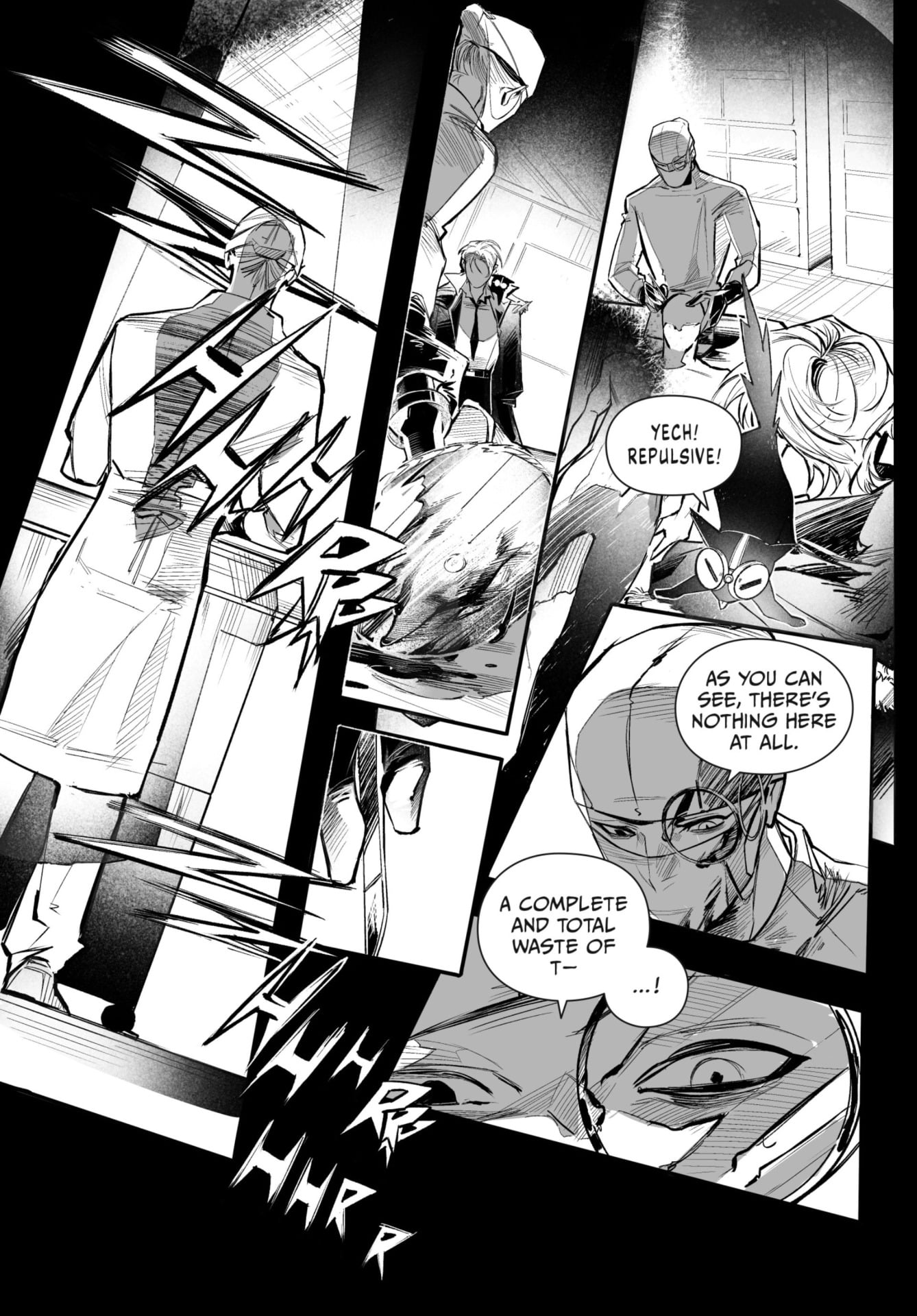
I’ll be blunt: the art excels at atmosphere and dialogue but stumbles in kinetic clarity. Tokitokoro lays out conversations with rhythm and flair, and page-turn reveals land with weight. Action scenes, however, sometimes blur—radial motion lines and character outlines run at similar inking depth, which makes you reread panels to orient yourself.
That’s not fatal. The fight beats are interesting conceptually—cybernetic power-ups and tokusatsu-leaning visuals—but the panel flow occasionally fights the suspense rather than serving it. Still, the emotional gravity of a chapter will carry you through a messy punch or two.
At an industry mixer, deals get signed over coffee and contracts
Viz Media’s Originals program publishing Lynx feels like a signal: the company is investing in new one-shots that grow into series. Deadline reports Viz has teamed up with The Gotham Group to adapt original IP for screen, which means Samuel Sattin and tokitokoro’s work could reach TV or film audiences beyond manga readers.
If the series takes hold, expect the production world—agents, showrunners, and platforms—to circle. Movies & TV’s exclusive peek and Viz’s push give the title momentum; the question is whether adaptations will capture the book’s slow-burning mystery and its mix of grief and spectacle.
I’ll be watching how Lynx resolves its final-act cliffhanger: will the heroine confront those biblically accurate angels without sacrificing who she is for the system that created her? You think she can walk away from everything she’s been made to carry?