
The lights go down, and you hold your breath because the trailer just promised something you love—remade. I remember sitting in a theater mid-murmur, wondering whether I’d walk out laughing or into a pile of regret. That moment, when expectation and risk meet, is where Takashi Miike thrives.
I’ve watched Miike’s work long enough to stop pretending his career fits any neat theory. You and I both know the live-action adaptation market is a minefield; most directors treat beloved source material like a contract to be honored or a relic to be sanitized. Miike treats it like a job he’s excited to do—and that makes all the difference.
In crowded cinemas you can tell within minutes which way the crowd leans
Adaptations are always a high-stakes bet: too faithful and they feel like photocopies; too loose and they’re unmoored. You’ve seen the extremes—faithful reproductions that bore, and wild rewrites that betray why you cared. Miike doesn’t play either of those safe games; he aims for something that feels alive, which is rarer than you think.
Why is Takashi Miike so good at live-action adaptations?
Because he doesn’t try to appease a crowd. I can say that bluntly: Miike adapts from a place of appetite, not obligation. He came up reading manga as a lifeline after post-war scarcity; those early thrills are what he pays back to fans through film. Instead of penciling in a checklist of “what fans want,” he leans into tone, texture, and the element of surprise.
That’s why his versions of Audition (from Ryu Murakami) and Ichi the Killer (from Hideo Yamamoto) don’t feel like adaptations so much as new originals that wear their source material like armor. He borrows the spine and then remodels the muscles. If you follow outlets like Kotaku, io9, or Rolling Stone, you’ll spot the pattern: critics nod, fans argue, and something odd happens—people watch.
At film markets and festivals, buyers whisper about a director’s stamina
Miike’s filmography reads like a phone book with attitude—128 credits and counting. I tell people he treats moviemaking like clocking in: a relentless, creative work ethic that produces hits, misses, and experiments. That volume gives him freedom to take risks other directors can’t afford.
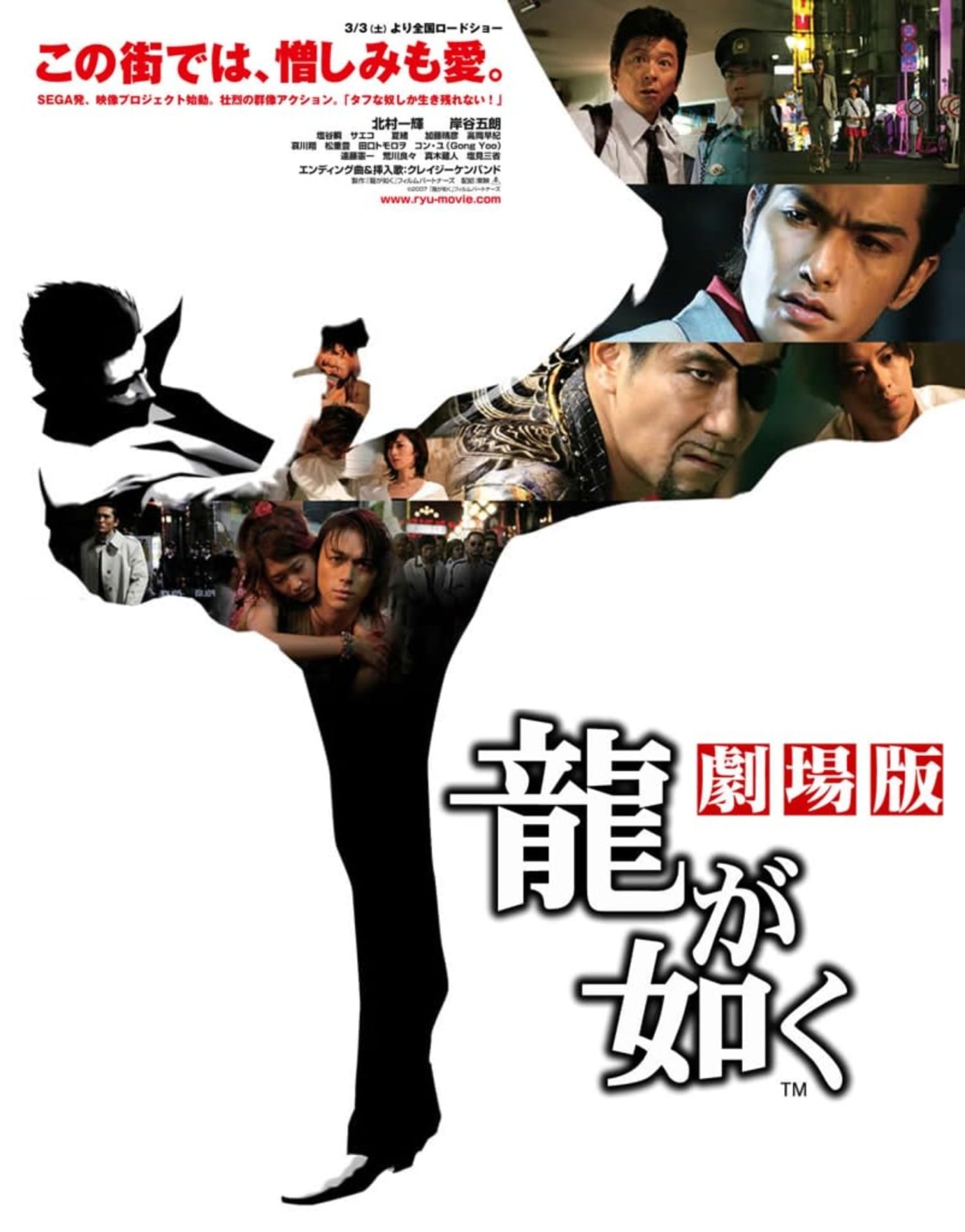
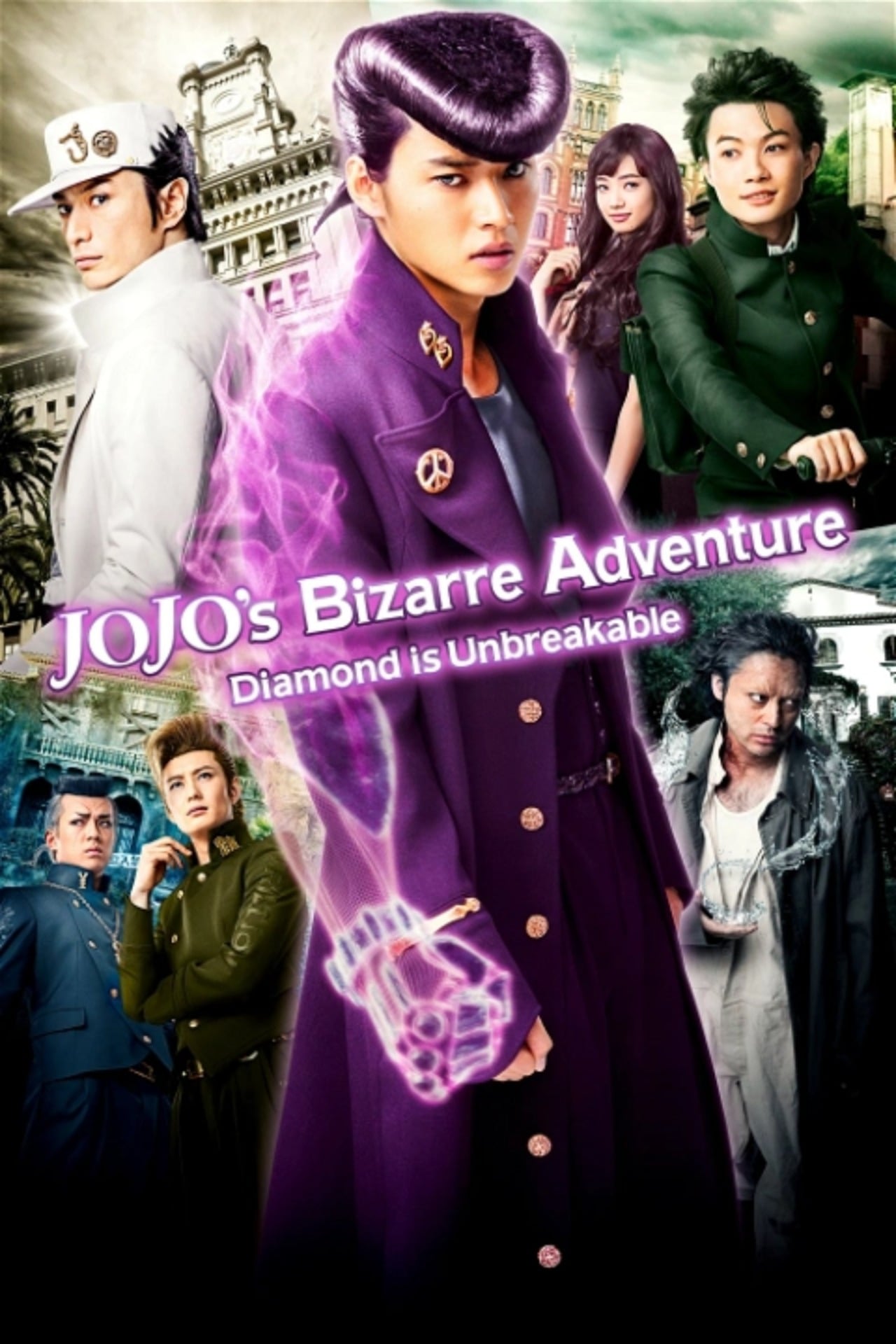
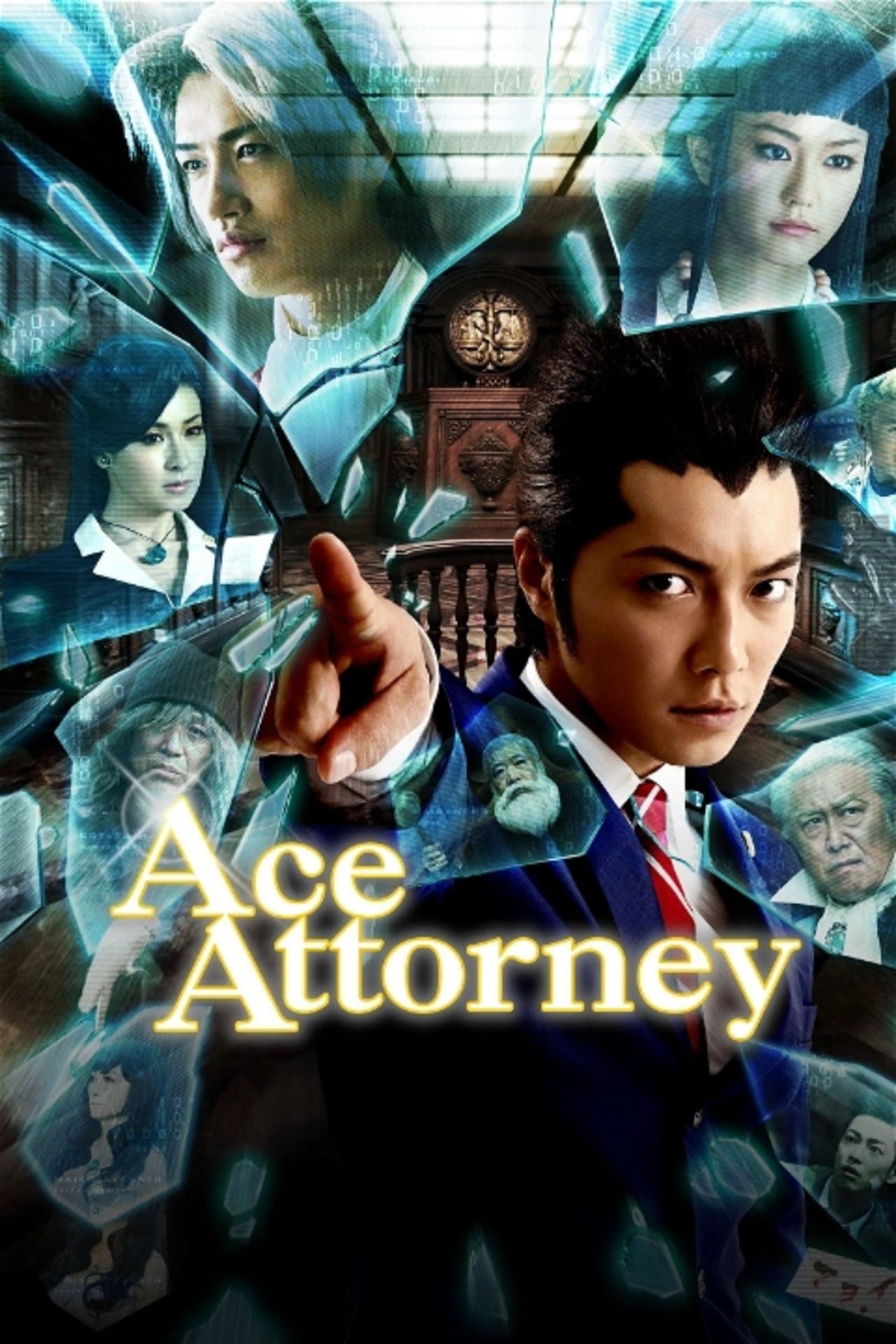
He’s the wild card in a poker game—sometimes shocking, sometimes decisive, and often worth the bet. That unpredictability is exactly why studios let him tackle material most would avoid: Ace Attorney with its porcupine hair, JoJo’s Bizarre Adventure with its flamboyance, or the off-kilter energy of Like a Dragon/Yakuza.
Which of Miike’s adaptations are essential viewing?
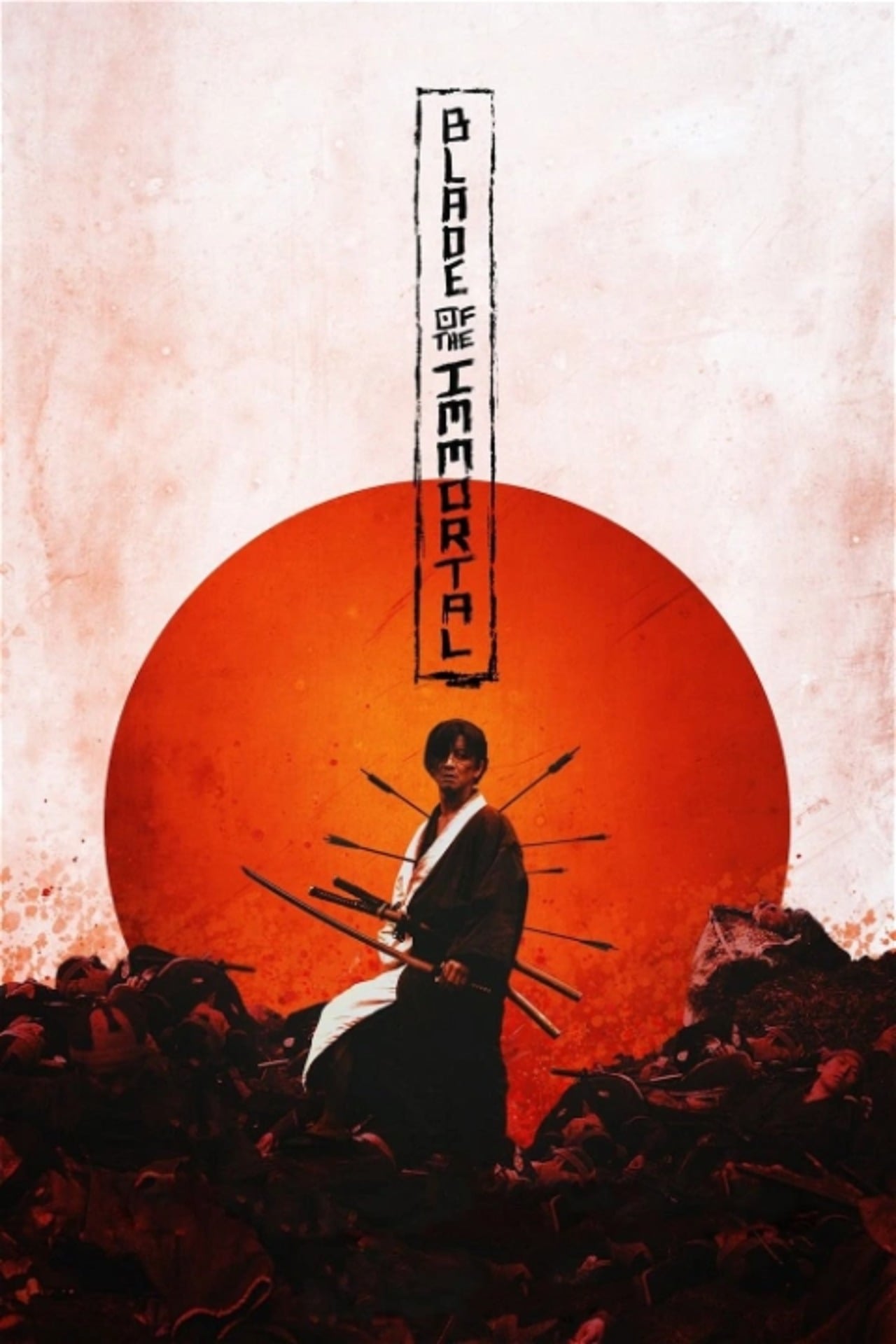
If you want a concise watchlist that shows his range, start with Audition and Ichi the Killer—they explain why film students put his name in essays. Add Like a Dragon for how he preserves gamey whimsy (and a startling Goro Majima). JoJo’s Bizarre Adventure: Diamond Is Unbreakable proves he can turn flamboyance into kinetic cinema. Blade of the Immortal, Ace Attorney, the Crows Zero duology, and As the Gods Will show he’ll swing from violence to comedy to courtroom melodrama without batting an eye. You can find many of these through Toho releases, on platforms like Amazon Prime Video, or referenced in coverage on Kotaku and io9.
On streaming platforms you notice fans debate fidelity and tone
Prime Video once ran a sober drama version of Like a Dragon that scrapped much of the series’ peculiar humor, and fans noticed. Miike’s film, by contrast, preserves the franchise’s appetite for absurdity even if it reshapes plot threads. He refuses the moralizing seriousness that makes many modern adaptations bland; his priority is the feeling the source delivered to him as a kid.
Watching one of his films is like stepping into a funhouse mirror that keeps rearranging the familiar into something sharper. That’s why some of his choices feel reckless: he will bend tone, lift gag beats, or amplify violence if it serves the emotion, not the checklist.
The poster wall at a manga shop shows how stories travel
Miike talks about manga as social currency—what gave children joy after the war. I’ve quoted him to editors enough times to know that line resonates: he treats the source materials as the playthings of his youth, not artifacts under glass. That gratitude keeps him honest, even when the result is messy.
“In post-war Japan, it was very, very poor. The very first entertainment we got was kind of black and white TV. So once parents had finally secured enough food for the kids, the next step was ‘let’s give our kids some entertainment, some fun.’ For most kids in that era, the most accessible and cheap and easy to find and easy to use entertainment was really manga… That was the salvation for many Japanese kids. Because it’s what made life fun again, for the first time in a really long time.”
You should also admit to yourself that not everything Miike touches is flawless. Yatterman is a miss; Terra Formars and some others are uneven. But compare that catalogue to the surgical over-carefulness of many streaming adaptations: Netflix’s cautious reworkings, or Hollywood projects that prompted public apologies after Dragon Ball: Evolution and The Last Airbender. Miike keeps showing up where others bow out.
He’s got a new film on the horizon—Bad Lieutenant: Tokyo—that looks like he finally had the budget to go big, and critics are already leaning in. I don’t tell you any of this to sell you on Miike as perfect. I tell you because if you care about adaptations that still have a pulse, his playbook matters: joy first, craft second, and faithfulness only where it serves feeling.
So tell me—after you’ve watched one Miike adaptation that surprises you, will you keep demanding fidelity, or will you let directors play with the story you loved?