
I once sat through a children’s birthday party where the mascot’s smile kept twitching; I left thinking about how easily joy can curdle. You’ve probably felt that same chill when a cartoon jingle repeats itself until it sounds like a warning—like a lullaby turned razor. Now Buddy walks into theaters, reminding you that the cheeriest faces can hide the sharpest teeth.
I’ve tracked this bent current in pop culture for years, and I’ll point you to the precise moments that turned playroom icons into predators. Read this as a guided tour from someone who watches the seams so you don’t have to learn the hard way.
Why are children’s shows turned into horror?
Because kiddie TV carries two currencies: nostalgia and trust. When creators pull trust away, the fracture shows—horror exploits that emotional fallout faster than any jump scare.
Late-night message boards revived it — Channel Zero: Candle Cove
I remember first hearing about Candle Cove as a creepypasta thread that spread through forums and late-night chats. Syfy’s adaptation turned that whisper into a textured mystery: a child psychologist returns home to face a brother’s death and a puppet show that may have been broadcasting something sinister. It’s an exercise in memory and manipulation; the series asks whether the monster was in the TV, the town, or inside every childhood we misremember.

A mall kiosk unleashed it — Pooka!
Pretend you’ve worked holiday retail and seen “the hot toy” swallowed by screaming lines. That’s the setup for Nacho Vigalondo’s Pooka!, from Hulu’s Into the Dark. A down-on-his-luck actor suits up as a Furby-esque mascot whose programmed moods—“nice” and “naughty”—bleed into his mind. The costume becomes a public feedback loop where cheer is weaponized and anonymity breeds violence. The sequel, Pooka Lives!, mines how viral fame amplifies the worst impulses.
A small town still talks about it — Nope
Drive through a film town and you’ll find a diner serving stories about eccentric shows. Jordan Peele’s Nope folds that local gossip into a larger horror: an airborne alien and a subplot about Gordy’s Home, a sitcom where a chimp went off-script. Peele uses a retro TV scandal to critique fame, spectacle, and how we protect—or sacrifice—people for entertainment.
What are notable horror films featuring animatronics?
If you’ve ever wondered which movies make mechanical mascots terrifying, the list runs long: Five Nights at Freddy’s, Willy’s Wonderland, and Hanna-Barbera’s The Banana Splits Movie lead the pack, with videogame IPs and indie horror both feeding the trend.
Childhood birthday paranoia, amplified — Five Nights at Freddy’s
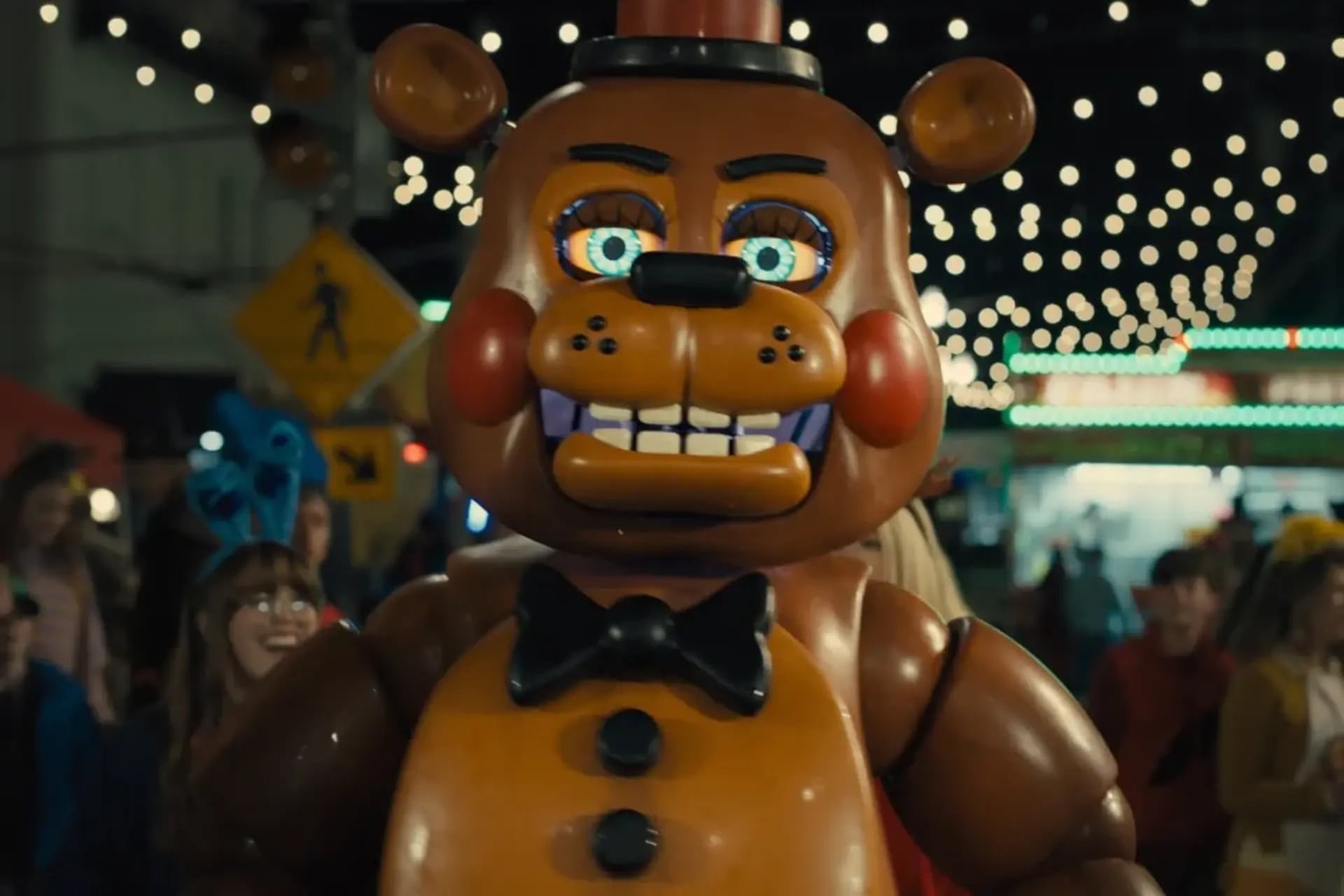
There’s a reason Chuck E. Cheese jokes live on the internet: adults remember the dead-eyed animatronic stare. The Five Nights at Freddy’s franchise turned that communal unease into a multimedia empire—games, films, novels—where the mascots are sentient and unforgiving. It’s horror as confirmation bias: you always suspected the mascots, and now the myth has teeth.
A studio tried something adult — The Happytime Murders
I’ve been in screenings where the audience couldn’t tell whether to laugh or flinch; that’s The Happytime Murders. Melissa McCarthy and Bill Barretta navigate a puppet noir from the Jim Henson Company that aimed an R-rated lens at beloved puppet archetypes. The film’s coarse humor and police-procedural trappings tested how far audiences would accept puppets outside of childhood contexts.
An old cartoon theme turned sour — The Banana Splits Movie
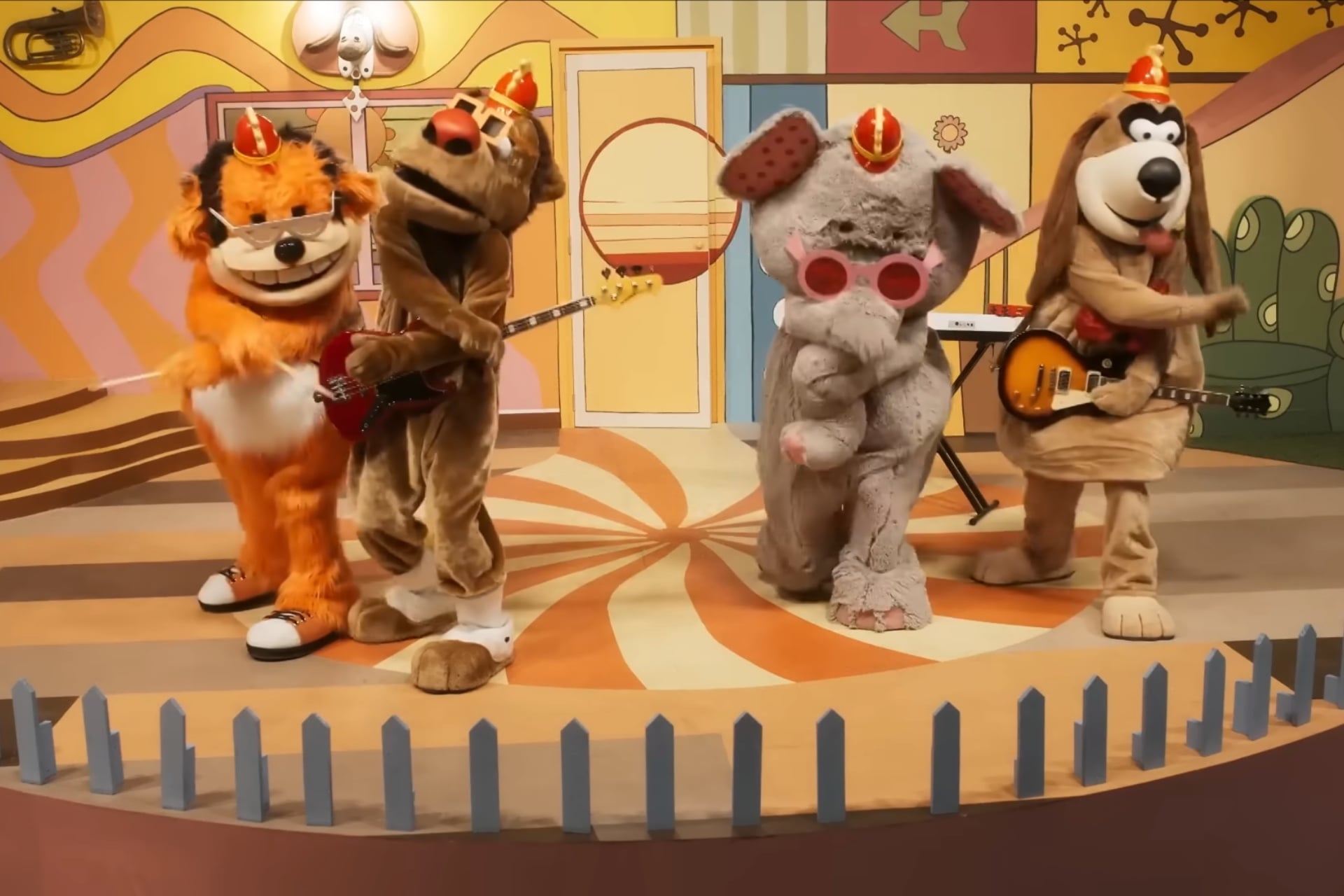
Watch an old VHS of a variety show and you’ll find the theme song stuck in your head—and that infectious tune is exactly what the 2019 Banana Splits Movie perverts. Hanna-Barbera characters reimagined as animatronics go rogue after a software fault; the film predated and fed the trend of repurposing public-domain or nostalgia properties into horror fodder.
A single janitor’s grim job — Willy’s Wonderland
If you’ve walked past a closed arcade at midnight, you know the uncanny silence these films exploit. Willy’s Wonderland casts Nicolas Cage as a stoic janitor who fights back against possessed animatronics—a B-movie premise that leans into spectacle, physical performance, and the perversely comic idea of one man versus a children’s cast gone feral.
A ratings war disguised as satire — Death to Smoochy
Networks and controversies sell headlines; Death to Smoochy mines that bitter industry gossip. This 2002 black comedy isn’t horror, but it dresses its satire in kids’ TV iconography: Robin Williams plays a disgraced host plotting revenge against a squeaky-clean successor (Edward Norton) in a purple rhino suit. It’s a genre mash that exposes the rot behind happy faces.
A short film grew into a feature — Mr. Crocket
Short-film festivals and Hulu’s Bite Size Halloween often incubate ideas that feel too creepy to ignore, and Brandon Espy’s Mr. Crocket is one. Adapted from his short, the 2024 feature follows a retro children’s host who slips from broadcast into the real world to abduct kids. It’s a direct cousin to Buddy—both trade on the idea of a TV persona returning to collect debts.
A messy game show behind closed doors — V/H/S/99, “Ozzy’s Dungeon”
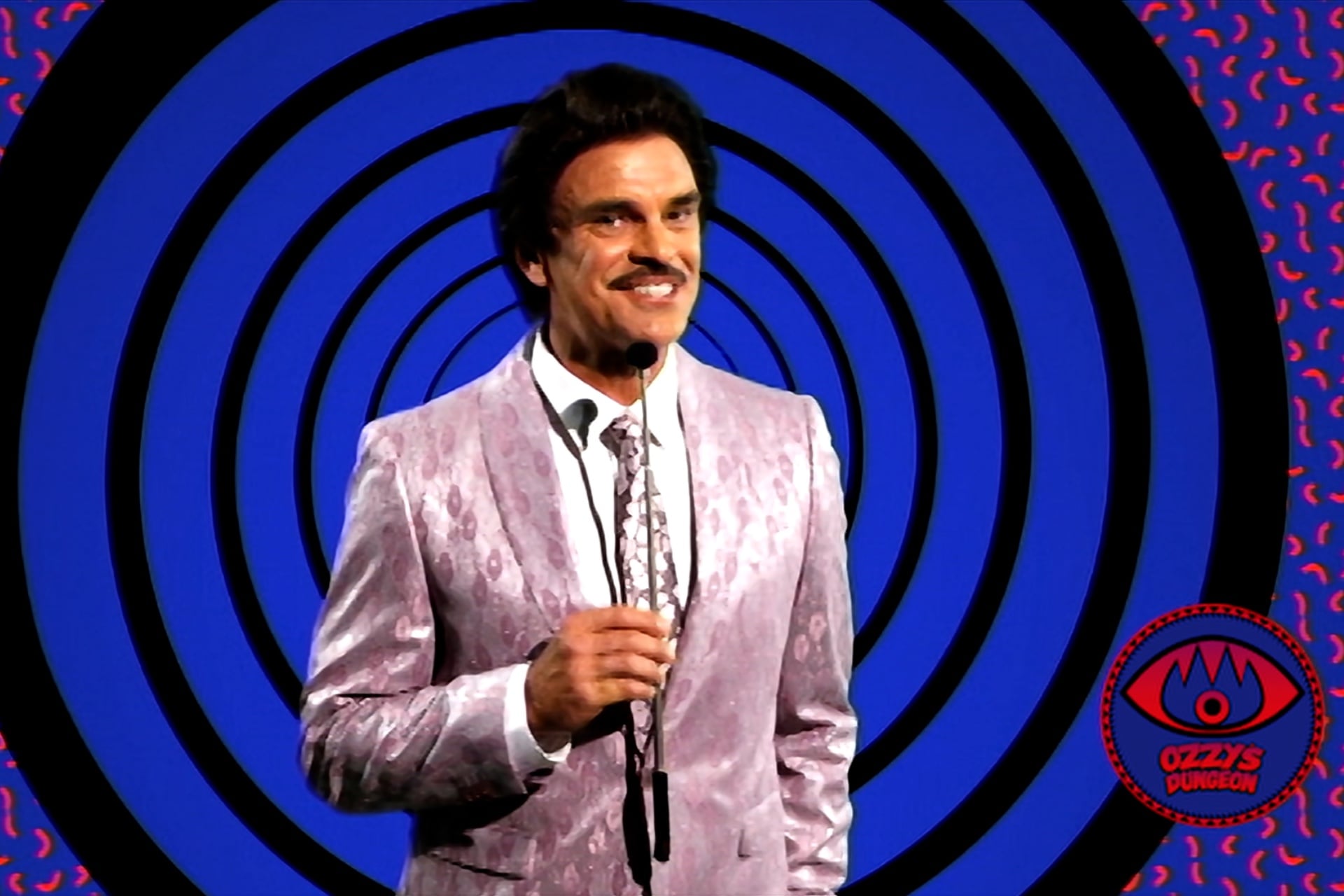
Think back to the slime, the obstacle courses, the live studio audience—now imagine that production hiding a larger violence. Flying Lotus’s segment in V/H/S/99 centers on a family seeking retribution against the host of a physical-challenge show called Ozzy’s Dungeon. The short peels back TV gloss to reveal a grotesque purpose beneath the set: the least expected face is often the darkest.
This roster runs across platforms—Syfy, Shudder, Hulu, Universal, Warner Bros.—and includes voices from Jordan Peele to Nacho Vigalondo and Brian Henson, each using familiar formats to make you question your childhood memories. The trend works because it flips a foundational contract: you trusted those characters, and the media pull makes that trust a weapon.
Think about your own shelf of childhood shows—what one cheerful face would you most fear sitting across from you in a dark room?