
She walks through Not Town with a coffee cup in hand while a municipal notice flaps on a lamppost: menstruation regulated, penalties pending. A man waits in a doorway, his worth measured in minutes and bills. You feel the quiet arithmetic of control settle in your chest.
I’ve followed Akane Torikai’s work long enough to know when a story is trying to wound and teach at the same time. You don’t need me to sell you on speculative fiction; you want a book that keeps working on you after you close it. Wandering Cat’s Cage does that—brutally, with humor, and with a moral compass that refuses to blink.
On my first reading, I forgot to breathe for a page.
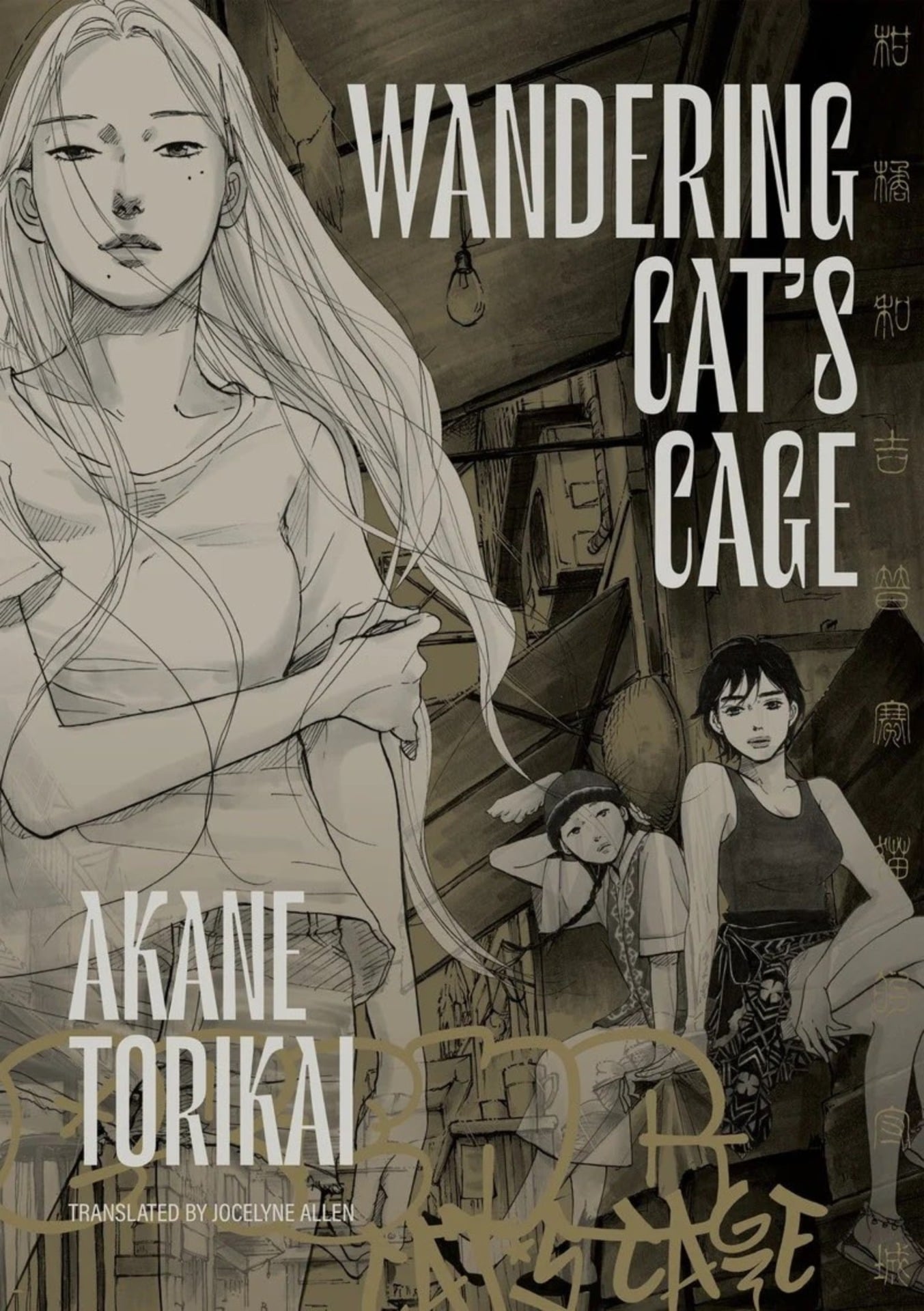
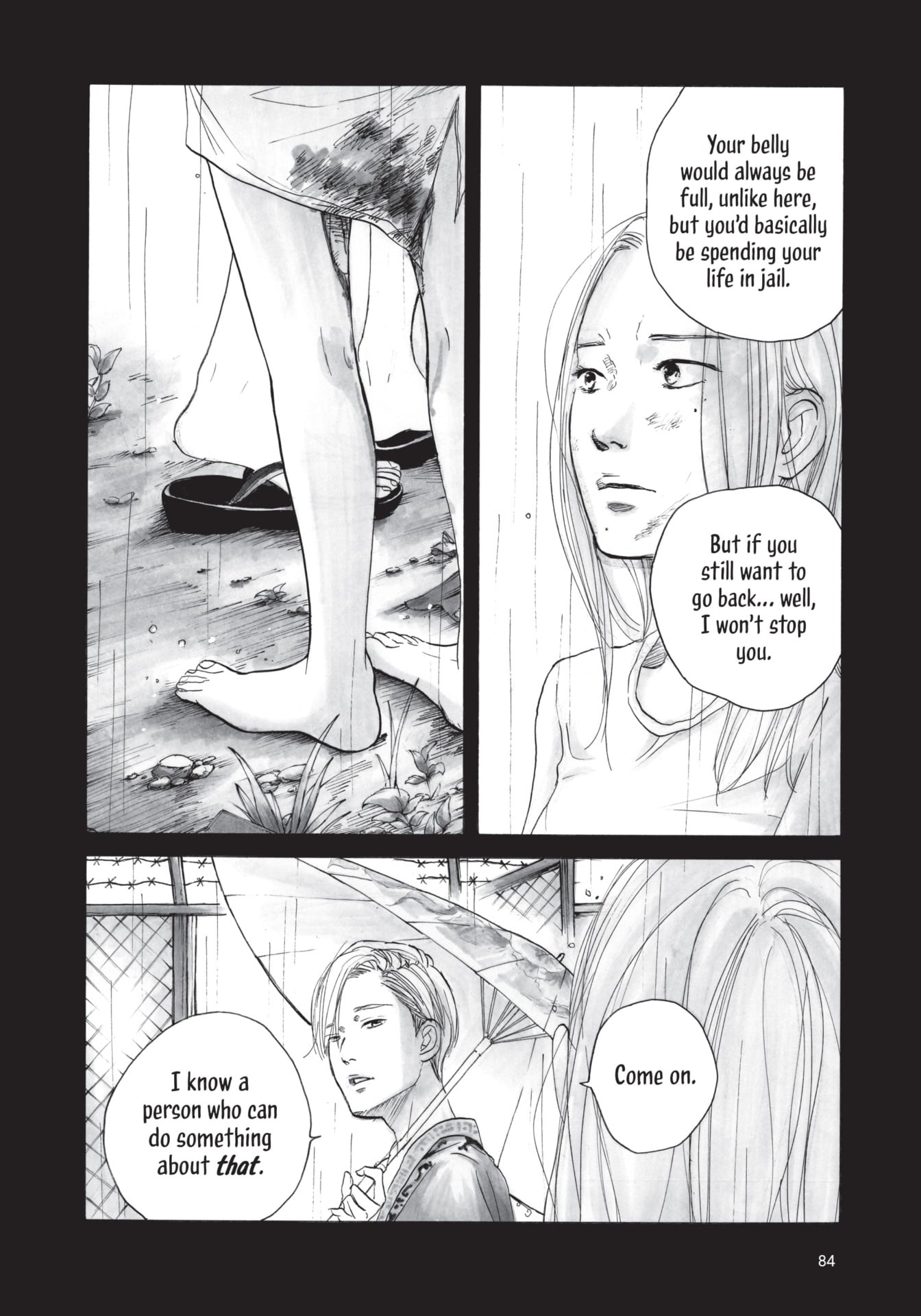
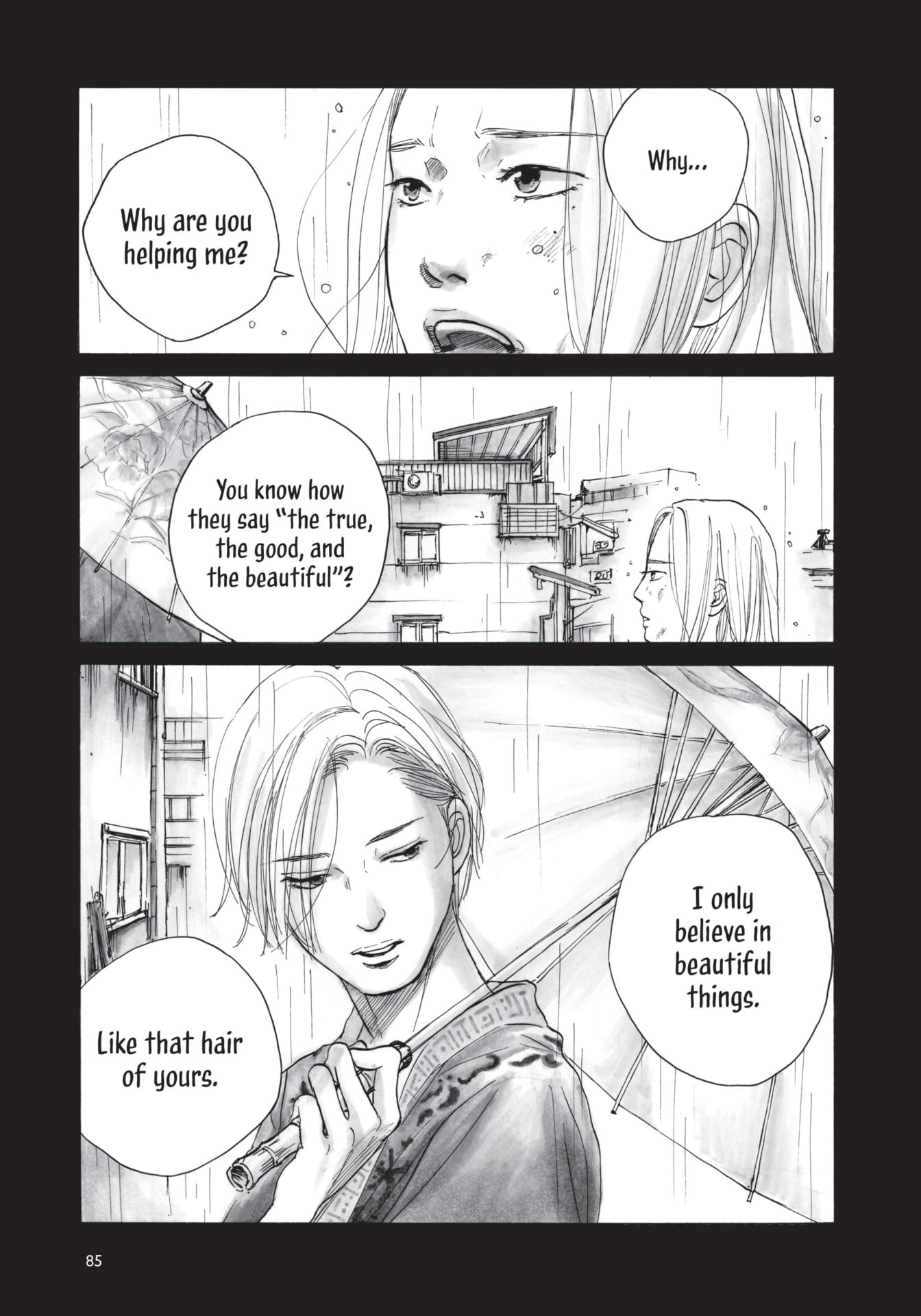
That panic is the point. Torikai sets up a world that echoes Brian K. Vaughan and Pia Guerra’s Y: The Last Man—a near-future matriarchy after most men have died—but she refuses the lazy joy of role reversal. The narrative follows Sanada, a sharp, sardonic acupuncturist, and Reiho, the lone man she’s ever known. Their lives in Not Town are messy, human, and fragile; across the river, The Town is prosperous and polished but poorer in freedoms.
What is “Wandering Cat’s Cage” about?
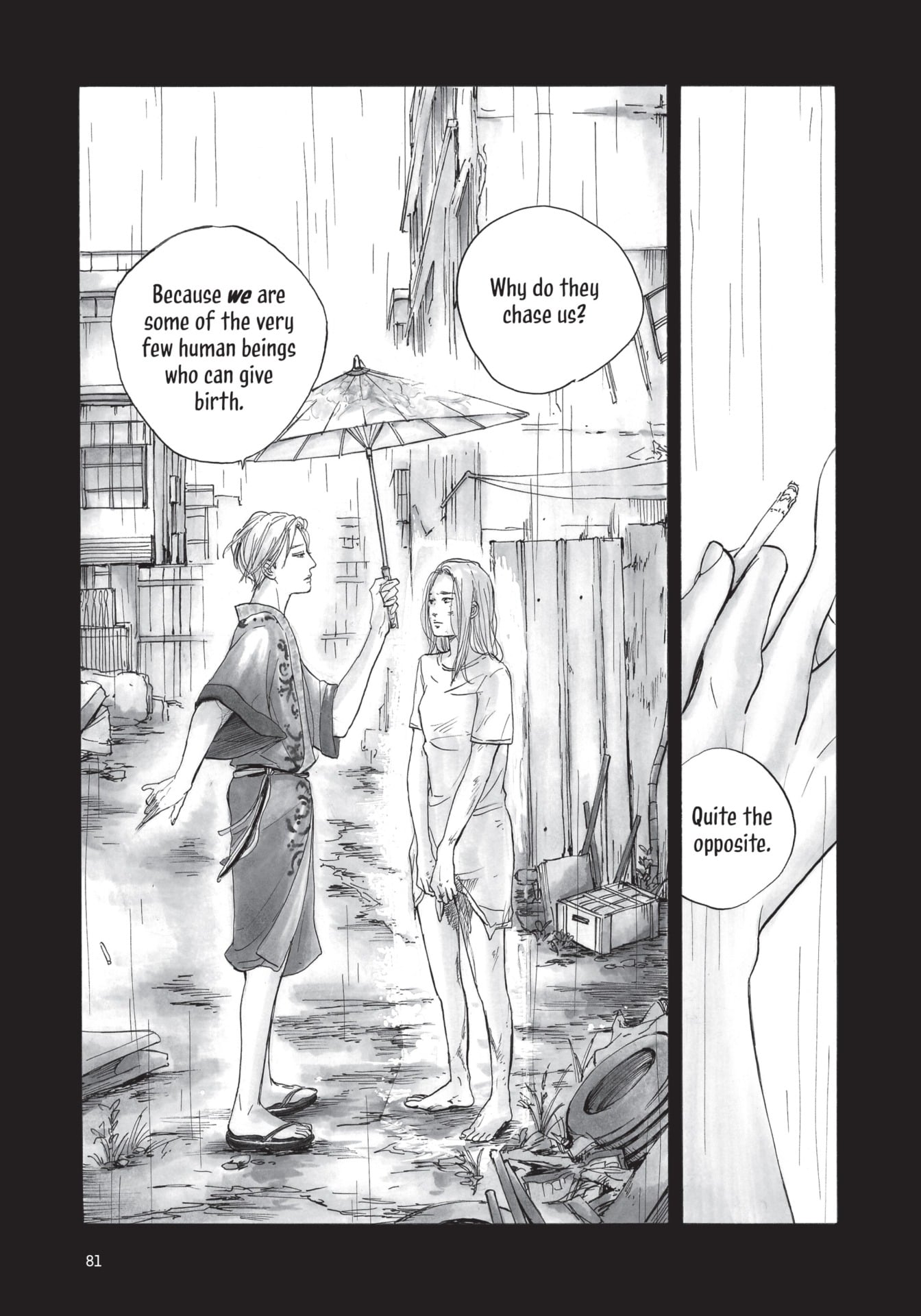
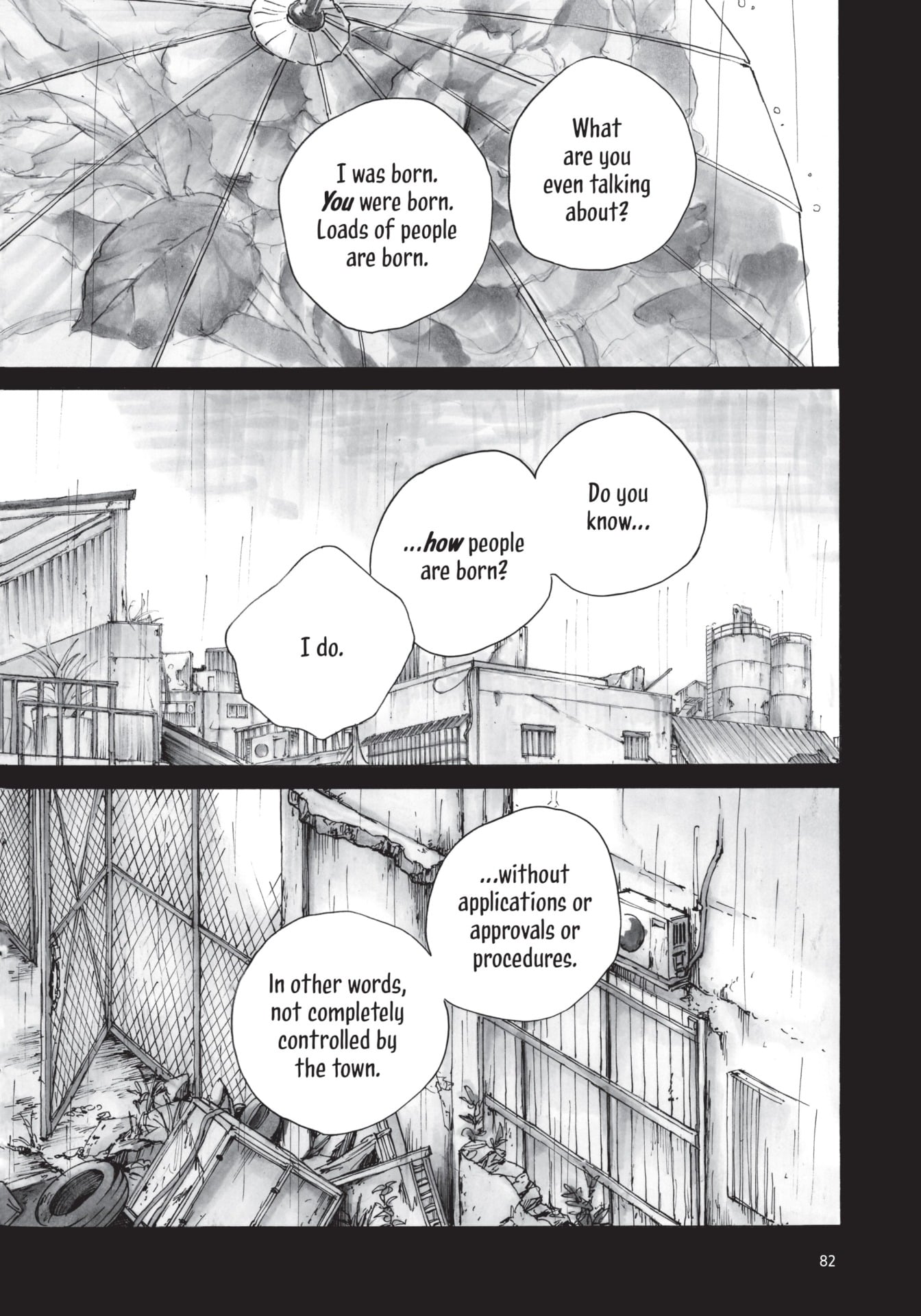
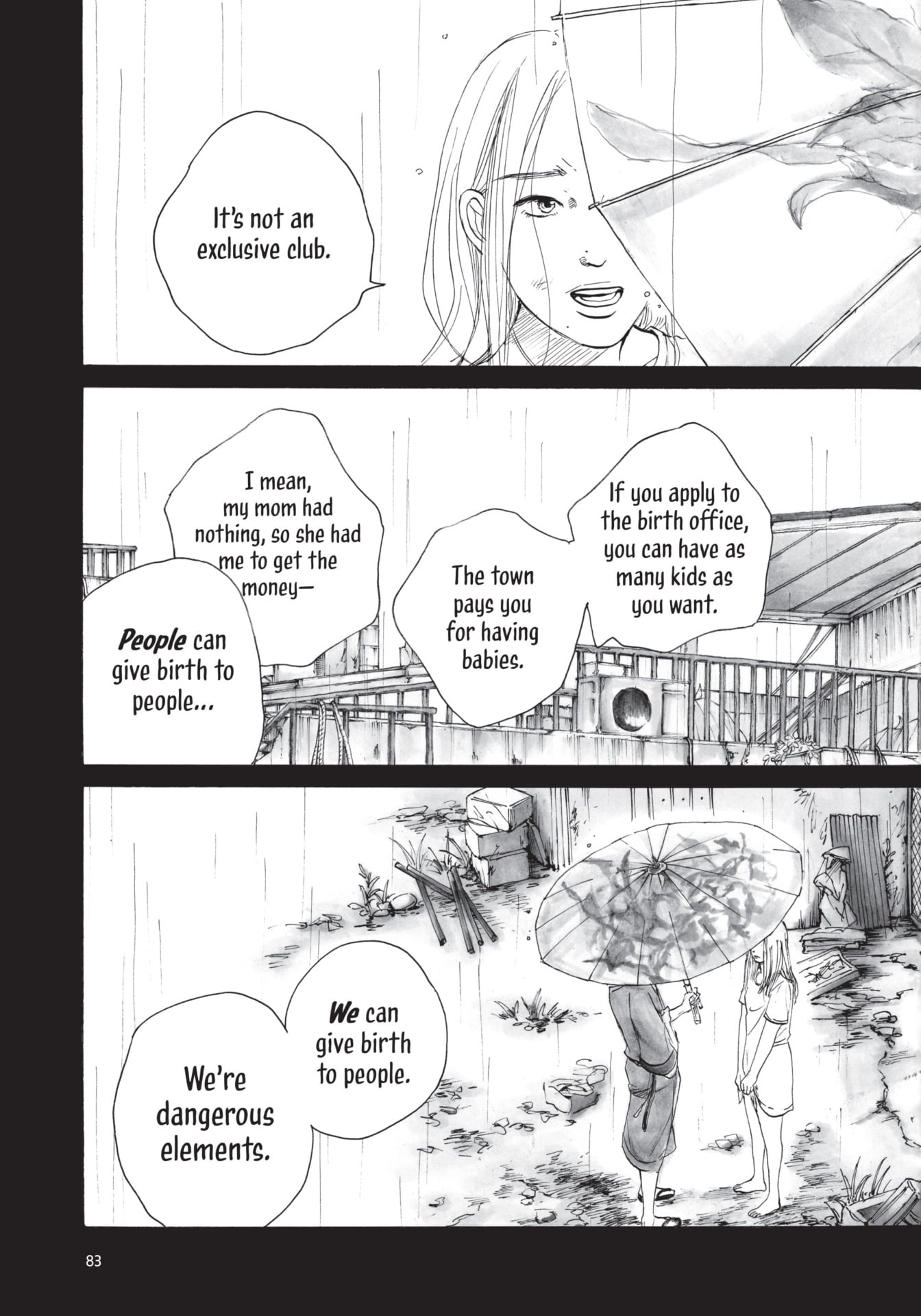
It asks what happens when power flips hands but the machine that polices bodies keeps humming. Men die off, yet the rules that decide who owns a body, who earns dignity, and who trades time for safety still feel eerily familiar. Torikai doesn’t write a revenge fantasy; she writes a study of governance—how laws, markets, and shame conspire to make autonomy scarce.
At a friend’s book club, someone laughed at a sex-ed joke and then went quiet.
Torikai trades in that uncomfortable laughter. The book is often comic—Sanada and friends scheming to hire Reiho just to see anatomy—and then it makes you wince. That tonal tightrope is where the manga earns its punch. Sex work isn’t fetishized; Reiho’s labor is another ledger entry in a system that treats bodies as resources. Torikai lets scenes sit without editorializing, which is how they hit like a cracked mirror.
I have a drawer full of Torikai’s earlier work and a bookmarked interview with Deb Aoki.
Her background matters. Torikai moved from shojo into josei and seinen, and she’s built a career examining trauma, depression, and gendered violence—see Sensei’s Pious Lie. That experience shows: she handles hard topics with restraint and moral urgency. Jocelyne Allen’s translation keeps the tone clean and sharp, and Fantagraphics’s Takumigraphics imprint giving this book an English audience feels like catching a necessary conversation at the right table.
Does “Wandering Cat’s Cage” explore gender politics?
Yes, but Torikai resists tidy labels. The story is less a manifesto and more a forensic report on how coercion dresses itself in new clothes. Women run institutions that still legislate bodies; market incentives still commodify intimacy. That continuity is the real horror: power reshuffles, but the mechanisms that deny agency remain as rusted as a hinge.
I was surprised by how often I laughed while reading something so unforgiving.
Torikai threads levity into bleakness—Sanada sips an American coffee while offering refuge; her friends scheme to pay for a simple anatomical lesson. The humor isn’t an escape; it’s a pressure valve that makes the darker moments louder. You leave the book feeling both amused and unsettled, which means Torikai’s moral punch landed where it was meant to.
Where can I preorder the English edition?
Fantagraphics’s Takumigraphics imprint is releasing the English translation, and you can preorder now. The release date is October 27. If you care about translated manga that treats adult themes with intelligence, this is the title you’ll want on your shelf.
I recommend you read other josei and seinen titles between readings.
If you want to widen your emotional vocabulary, pair this book with Ai Yazawa’s Nana or Makoto Yukimura’s Vinland Saga; for a tear-jerker, rewatch Anohana: The Flower We Saw That Day. Torikai’s work sits beside those titles as a reminder that comics can carry moral weight without sermonizing. Her stories ask questions and leave the uglier answers on the table for you to pick at.
Torikai flips a familiar premise to reveal the constant: systems that control bodies find new justifications under new management. That realization lingers long after the last panel—do you want to be the person who looks away, or the one who asks how we stop the machines that keep turning?