
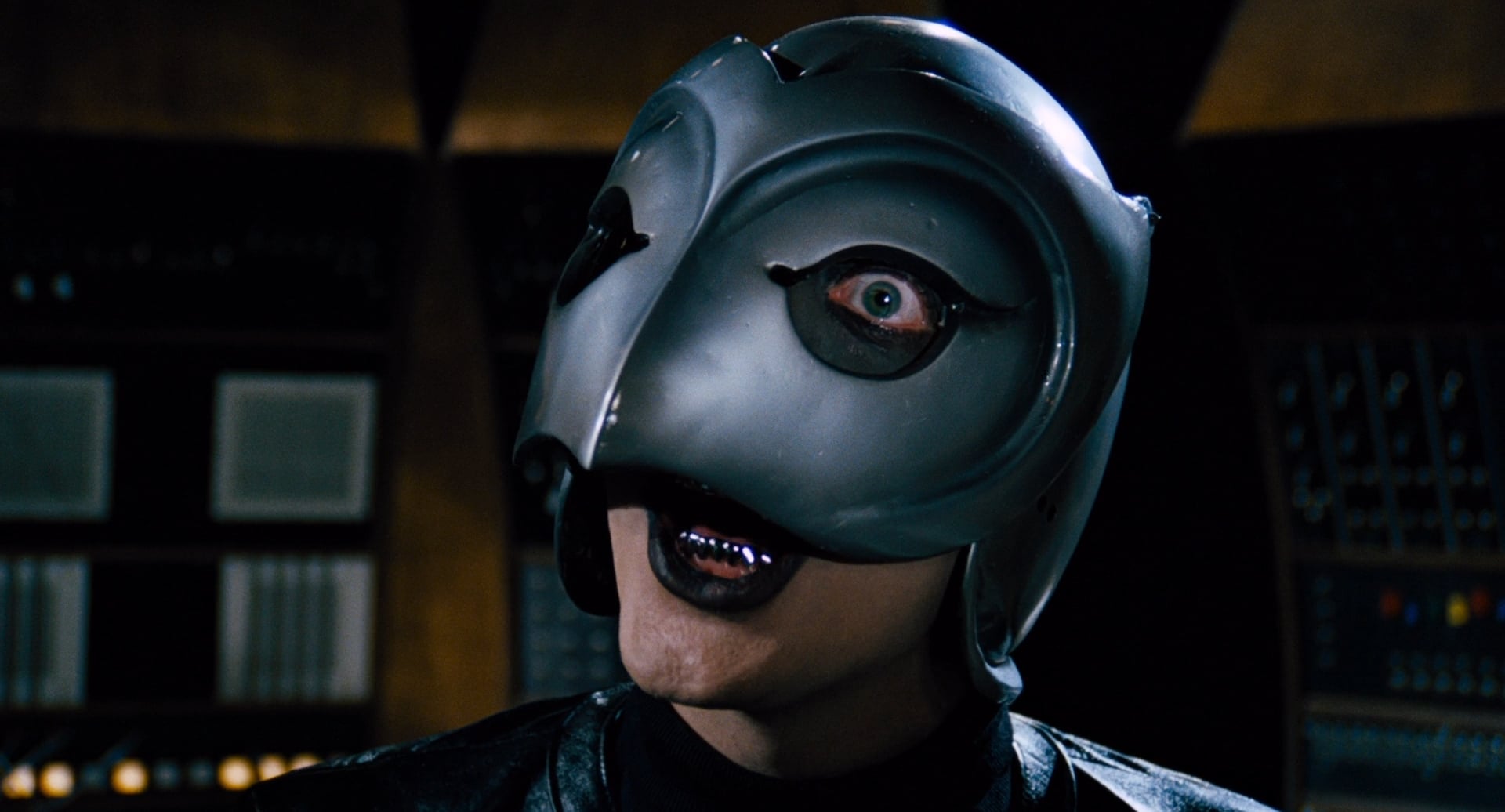
I sat in a cramped midnight theater while the crowd fell silent at the first screech of the mask. You felt the air go cold when Winslow Leach’s voice cracked through the speakers and the room knew cruelty had a costume. That instant told me everything I needed to know about why this movie still bites.
I’m telling you this because I want you to see how Phantom of the Paradise isn’t just a cult relic — it’s the yardstick for when horror and pop glamour collide. I’ll walk you through the film’s teeth, its jokes, and the sting that makes it linger on TikTok, Criterion wishlists, and late-night playlists.
At a dingy record-store counter I heard a kid call it “perfectly wrong”—How Phantom rewrites the music-industry horror story
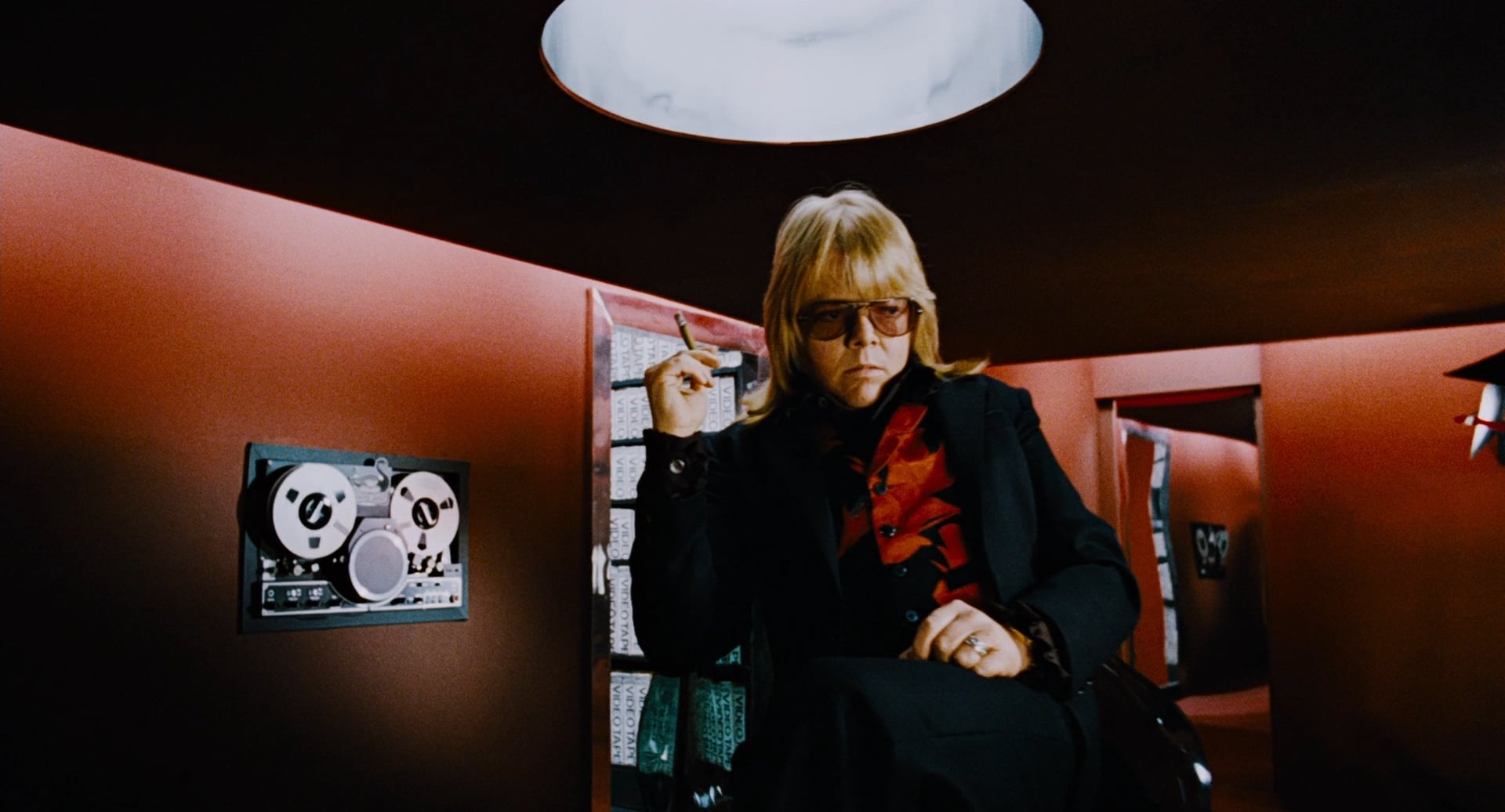
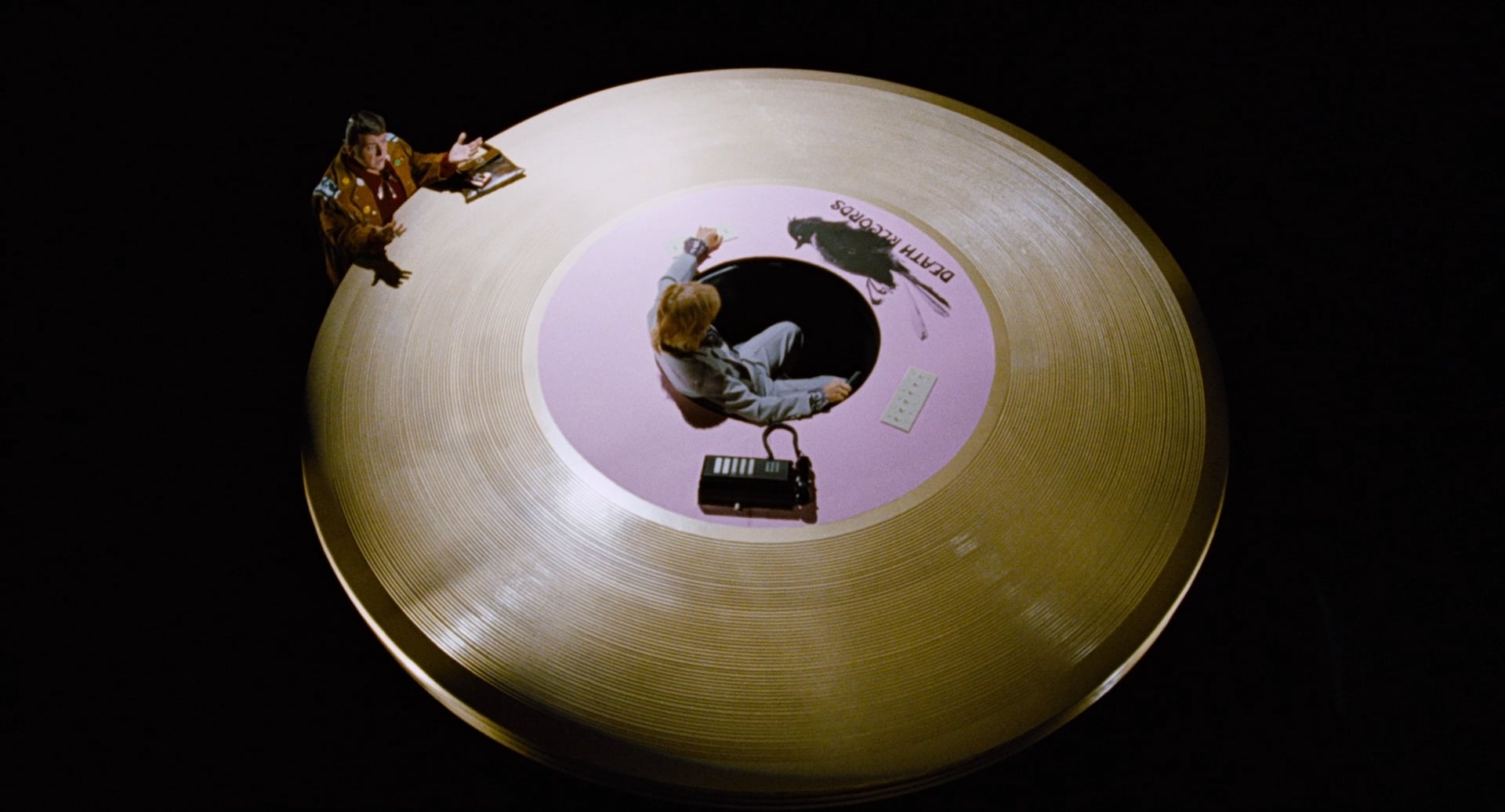
Brian De Palma stages greed like theater. Swan (Paul Williams) sits at the summit of pop—Death Records, Juicy Fruits, and a hunger for whatever’s next. He doesn’t coax talent; he takes it, and he does it with a grin that makes you hate him faster than you can rewind the soundtrack.
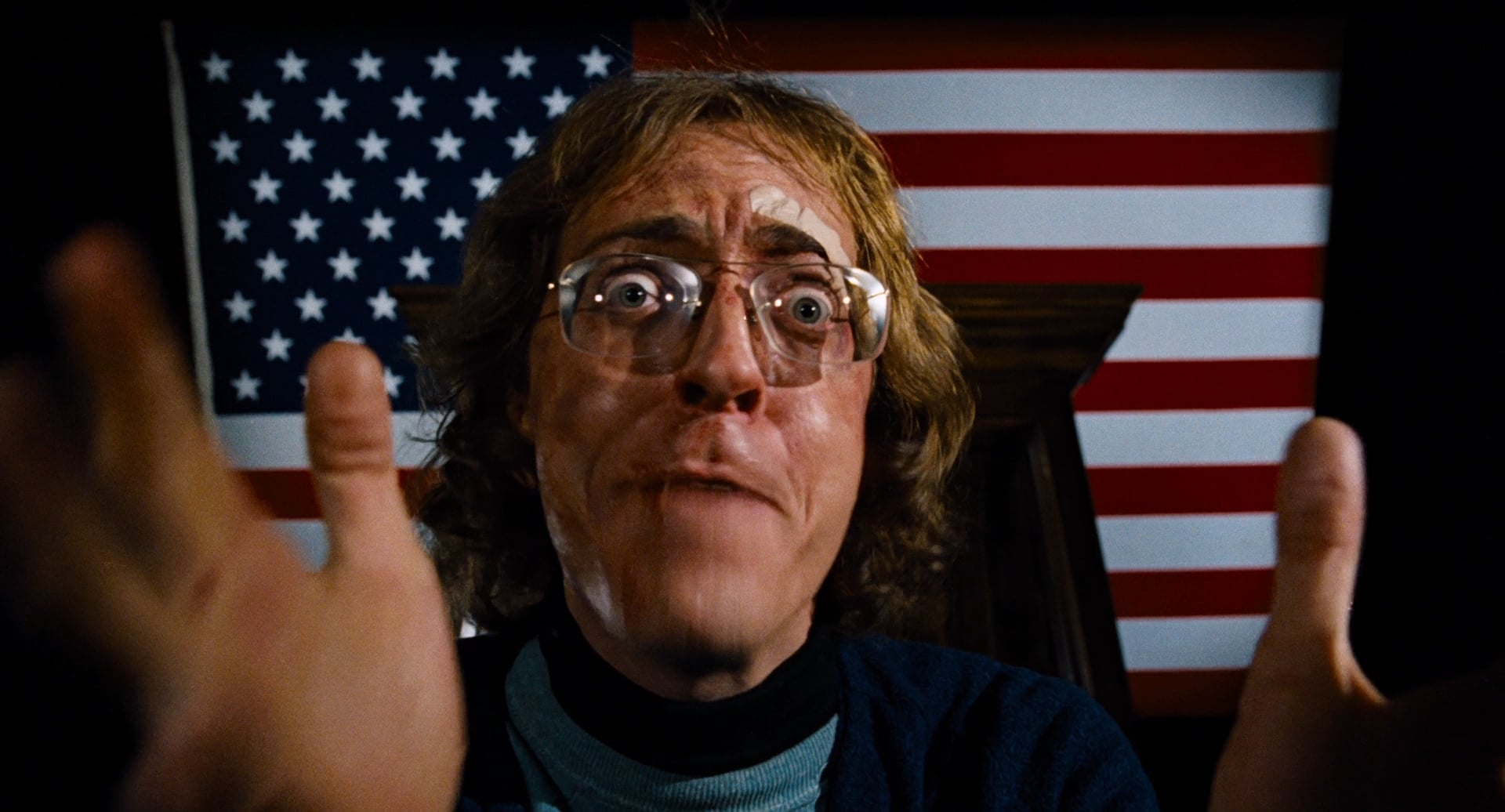
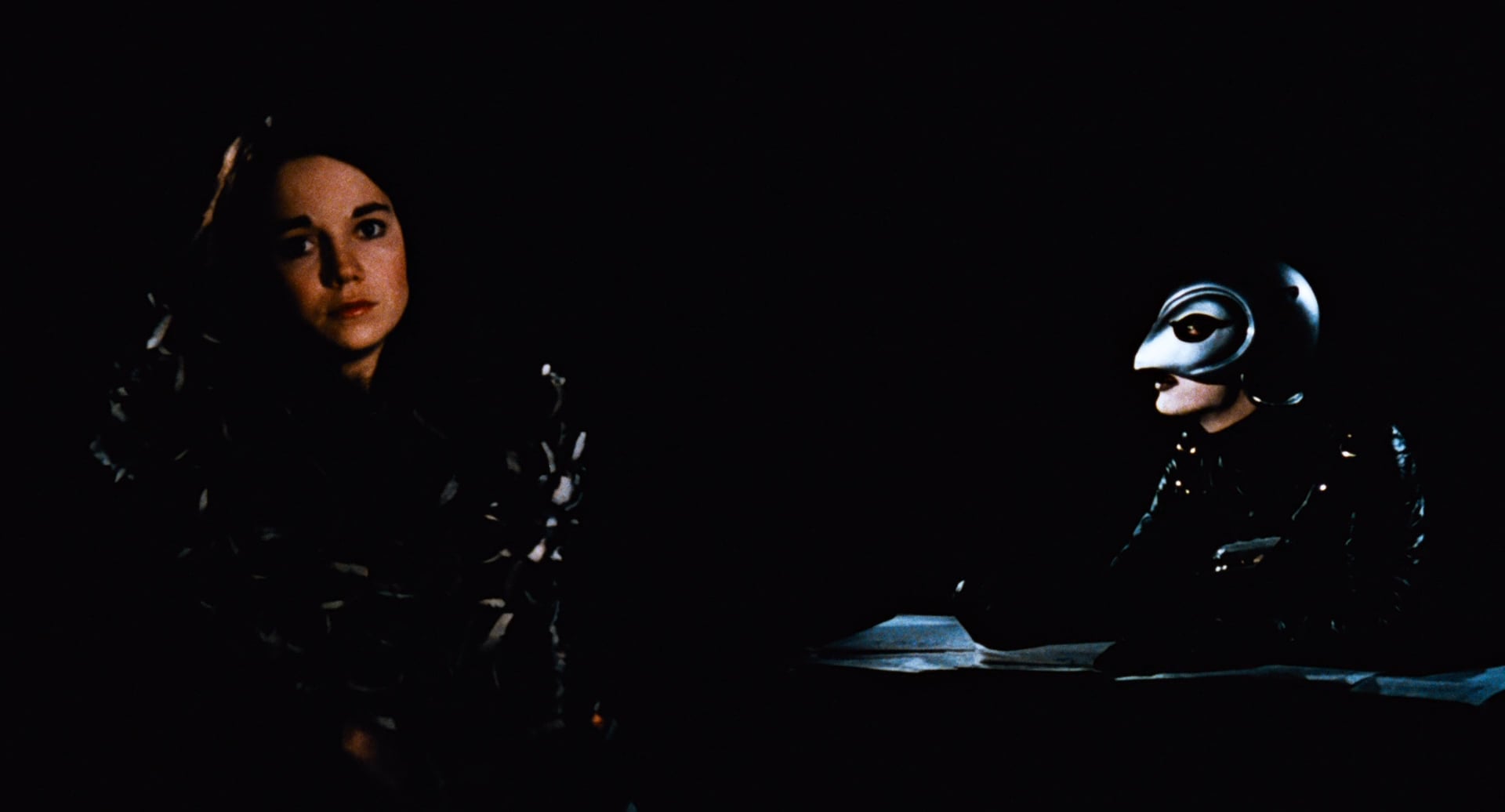
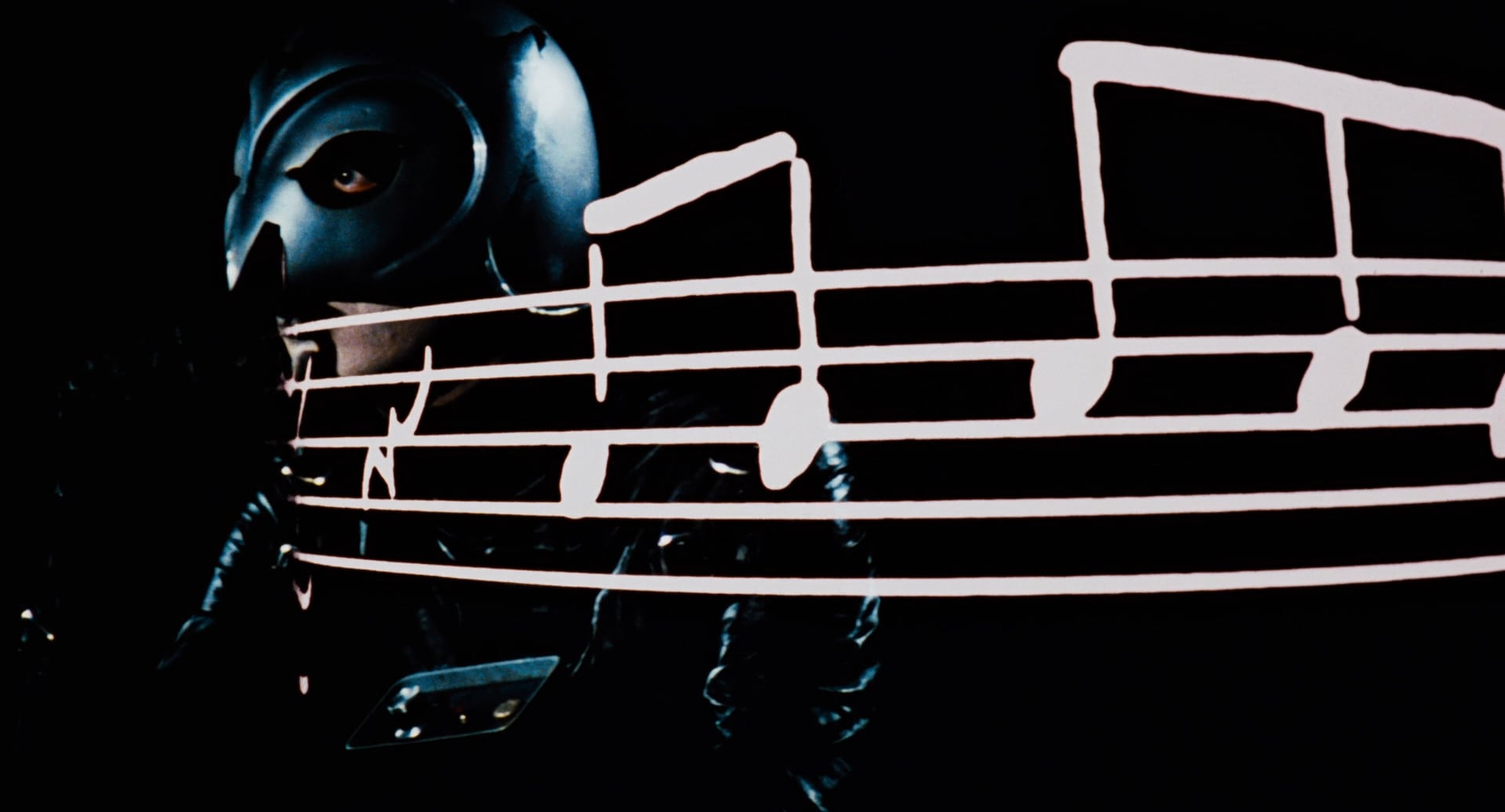
Winslow Leach (William Finley) is the payoff to that setup: thin, brilliant, trusting. He hands his cantata to Swan and gets framed, caged, and disfigured by an LP press. The movie then gives grief a costume and lets it hunt the industry that ate his work. Swan is a shark in a mink coat, and the film relishes every predatory twitch.
What is Phantom of the Paradise about?
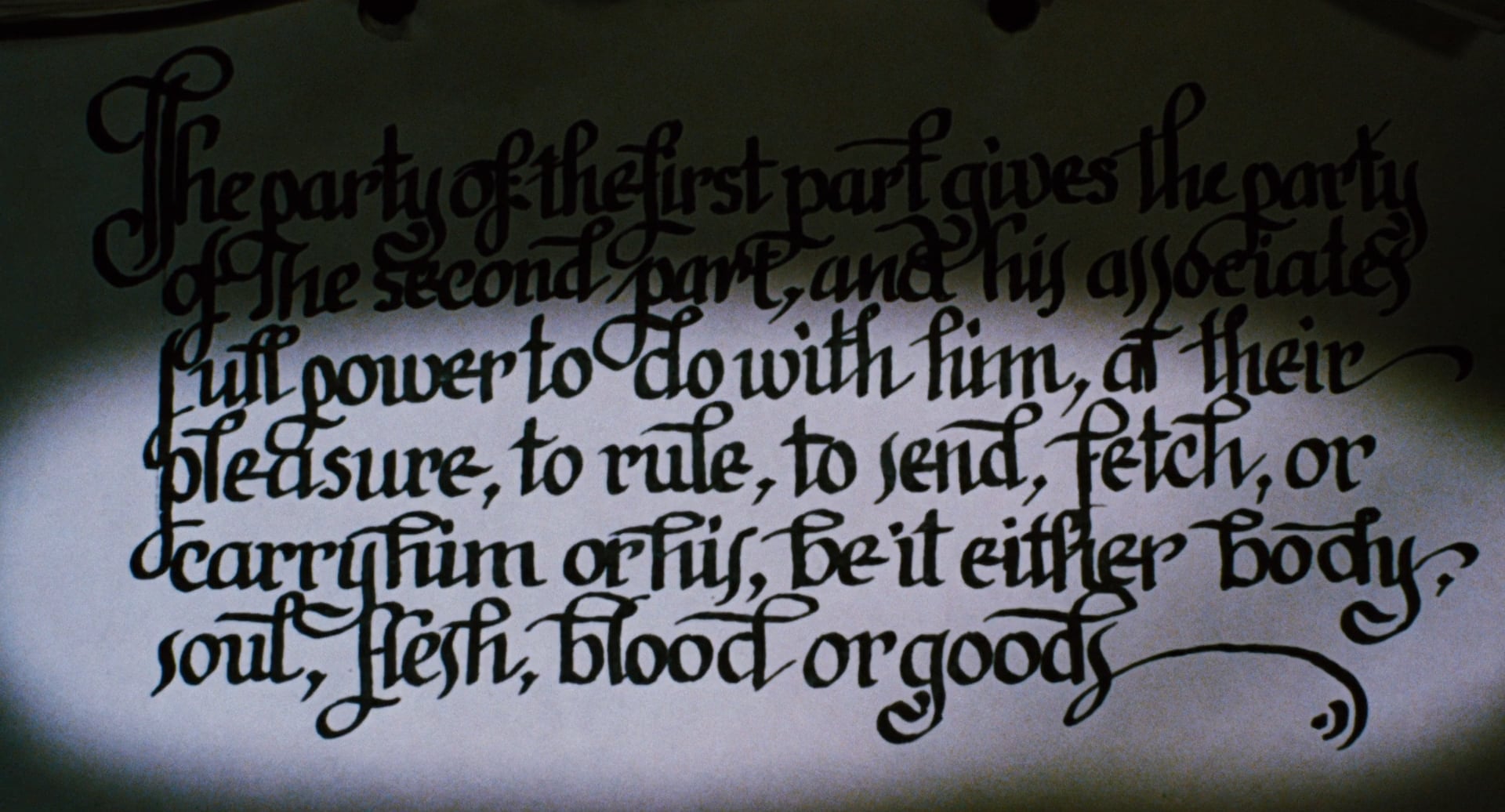
It’s the story of an artist who loses everything — his songs, his face, his freedom — and returns as a masked avenger to reclaim what was stolen. The plot is spectacularly simple and richly perverse: plagiarism, contracts that read like traps, and performance numbers that mock the machinery that makes stars.
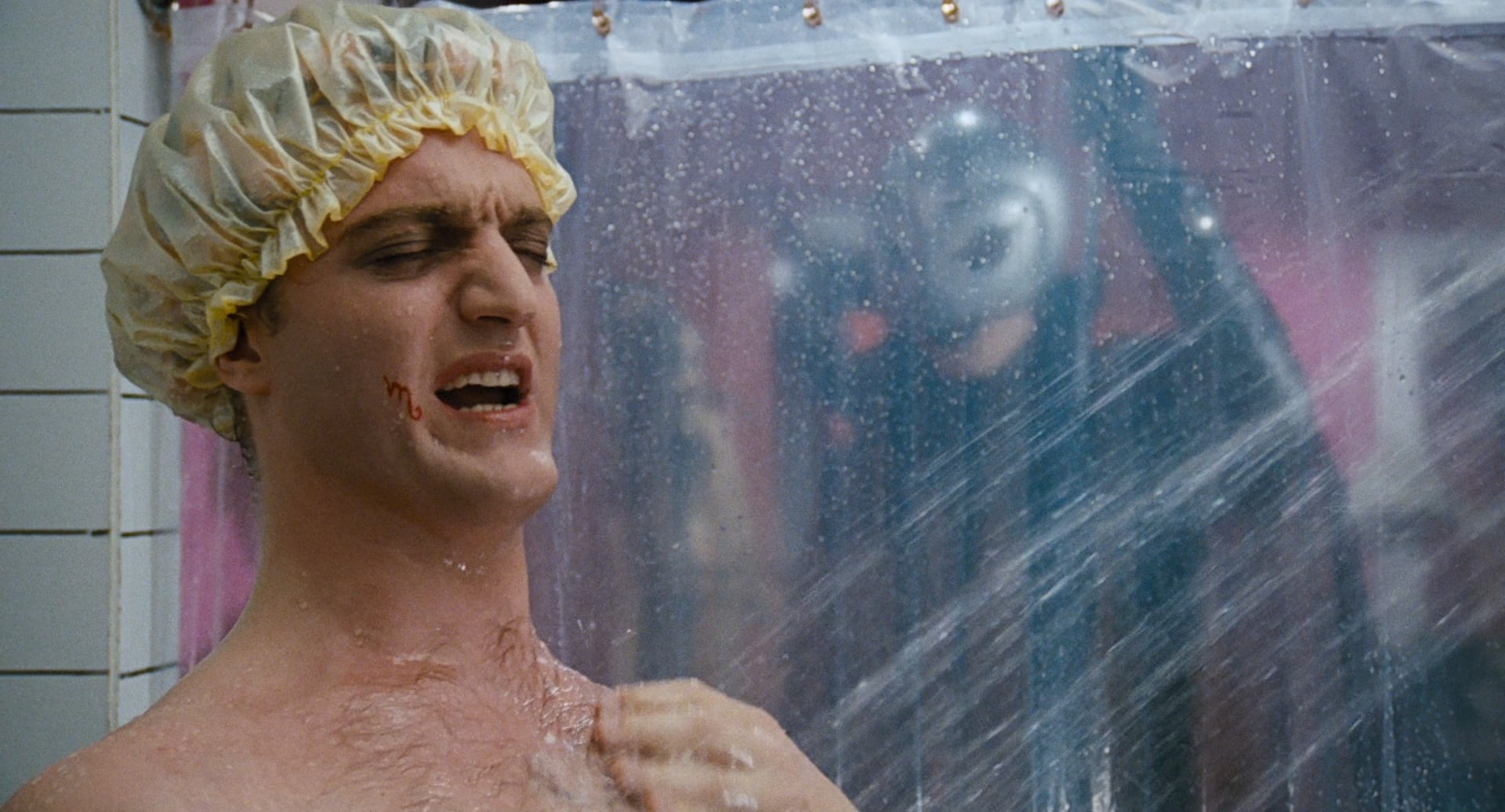
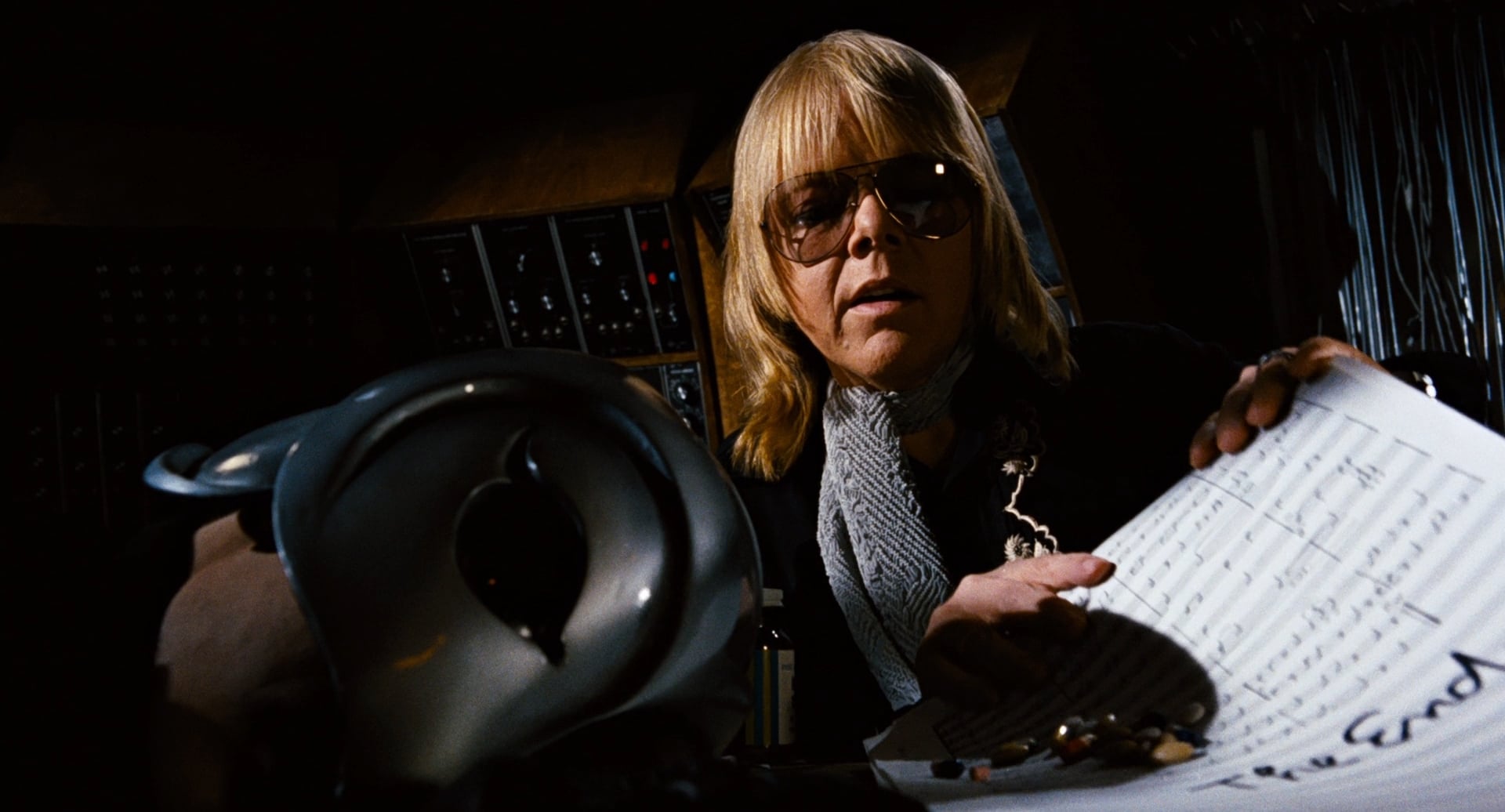
In a college dorm, my roommate looped the finale—Why its blend of camp and cruelty still works
The movie’s jokes land like shocks; its violence reads cartoonish but keeps a human ribcage underneath. De Palma and Paul Williams balance satire and sorrow: Swan’s smarm is a running gag and a moral indictment, while the Phantom’s vendetta asks how far a creator will go for recognition.
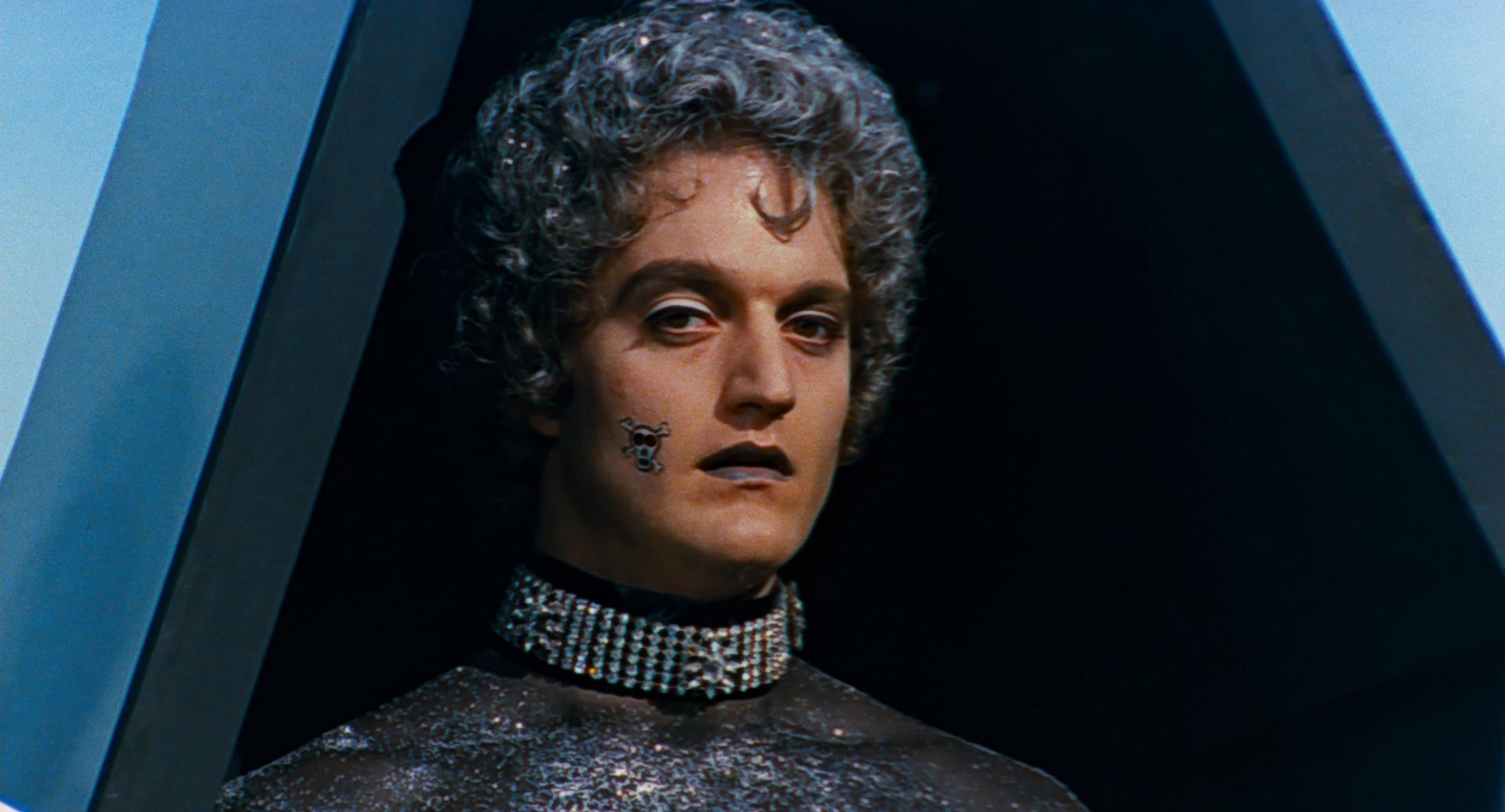
Gerrit Graham’s Beef is a showman who steals scenes the way the industry steals riffs. William Finley’s Phantom is heartbreaking even when he’s terrifying. The musical numbers feel lived-in — diegetic performances that function as character and commentary. The film hits like a pinball in a haunted arcade, ricocheting between parody and pathos.
Why is Phantom of the Paradise a cult classic?
Its cult status comes from tonal risk-taking and refusal to sit politely. The movie is funny, nasty, and tender in the same breath. That complexity makes it perfect for rediscovery on platforms like TikTok and YouTube, and a constant whisper on Criterion Collection wishlists.
@ribbitribbitfilms phantom of the paradise x dracula – tame impala #film #edit #phantomoftheparadise #tameimpala #dracula
At a streaming menu I hesitated before I rented it—How the film’s economy of style forces us to pick sides
Ninety minutes is lean by design. There’s no self-important padding; every song, gag, and violent gag moves the moral ledger. That economy makes the Phantom both monstrous and recognizable: you root for the music, even when the Phantom’s methods are unforgivable.
If you want to watch, it’s available on YouTube, Apple TV, and Prime Video — and it’s the kind of film that breeds clips and edits on TikTok. Paul Williams, William Finley, Gerrit Graham, and Jessica Harper give performances that travel from arena-sized spectacle to intimate pity in seconds. The film’s satire aimed at labels works today when AI and playlist algorithms can strip authorship faster than a contract clause.
How did Phantom of the Paradise influence music films?
It taught filmmakers that musical spectacle could be savage and small at once. You see its fingerprints on later genre hybrids that trade safety for sting: costuming that terrifies, numbers that mock fame, and villains in designer suits who ruin careers. De Palma’s theatrical camera moves and the film’s cynical energy turned a few future directors and performers into believers.
If you haven’t seen it, watch it for the way De Palma weaponizes fun; if you have, watch it again and notice details you missed—Swan’s contract language, the way Phoenix is framed, the sharpness of Gerrit Graham’s choreography. I still think about how many modern music moguls would recognize themselves in Swan’s mirror, and how much of Leach’s fate echoes in today’s streaming-era deals — so who truly gets to own art now?