
The house was quiet except for the soft scrape of a page turning. I kept reading until the clock announced midnight and the neighborhood fell silent. You tell yourself it’s only a book—until a line refuses to let you go.
I collect editions that behave like artifacts: weighty, intentional, a hand you can trust when the lights go down. I’ve been reading folklore and translations for years, and this Folio Society release stopped me in my tracks.
On my shelf, spine designs tell stories before the book opens
Folio Society has a reputation for making books that feel precious from the moment you lift the slipcase. Japanese Ghost Stories is their latest: a 200-page hardcover with screen-printed cloth binding, four-color interior text, printed endpapers, a ribbon marker, and a die-cut, blocked slipcase. That production language reads like a promise.
Royall Tyler provides the translation for this edition, and the collection traces its lineage to Lafcadio Hearn’s 19th-century compilations—think Kwaidan but pressed and polished for collectors and readers who want a story that stays with them.
Is Folio Society’s Japanese Ghost Stories worth the price?
If you measure value in craftsmanship, translation pedigree, and illustration, this one makes a strong case. The sticker price is $110 (€101), and that buys more than pages: it buys an object designed to be handled, displayed, and read aloud. If you already collect Folio releases or care about physical design, it’s an easy call. If you only want the stories, cheaper editions exist, but they won’t offer the same tactile experience.
At sleepovers, stories arrived in whispers and sudden silences
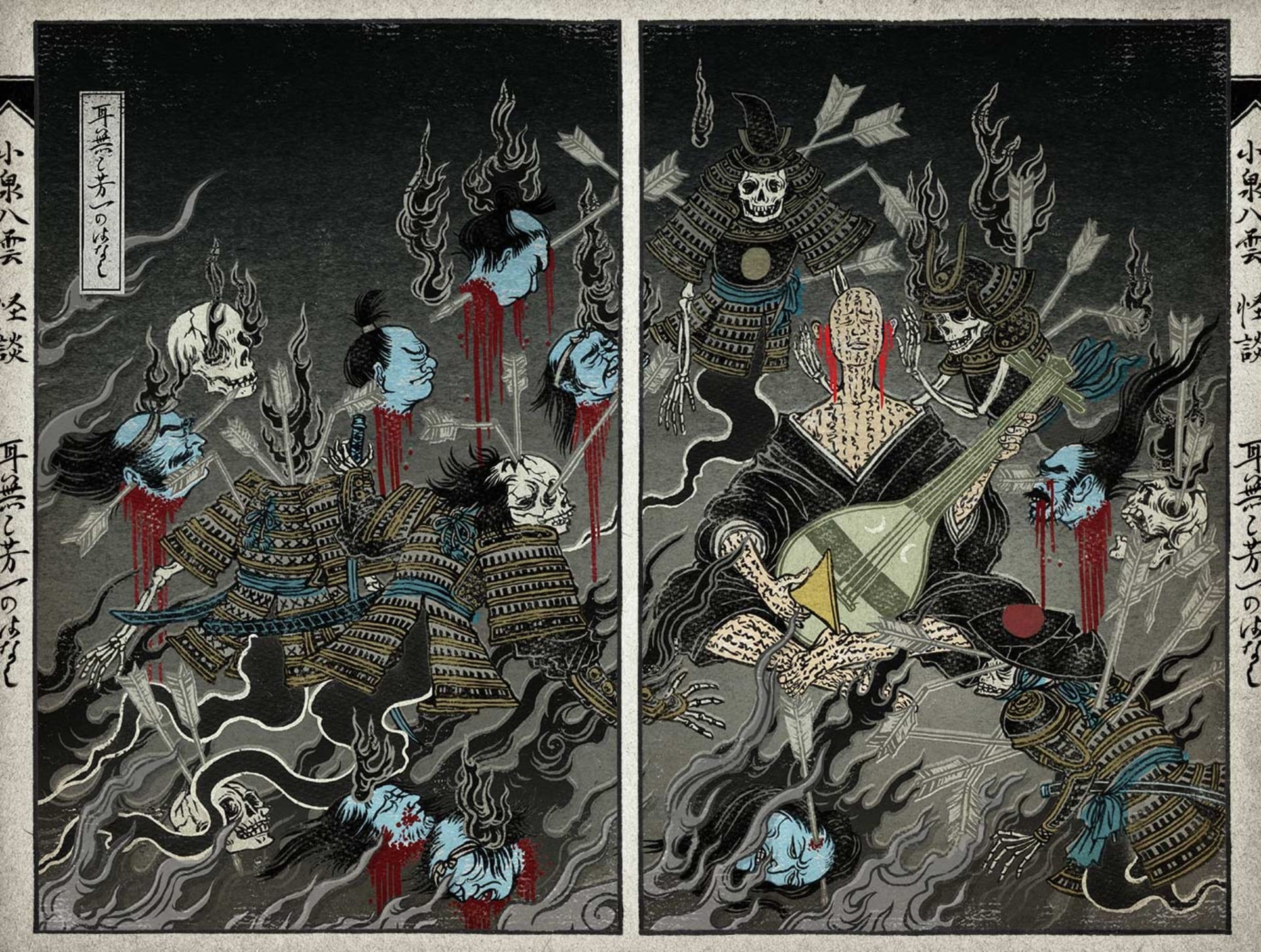
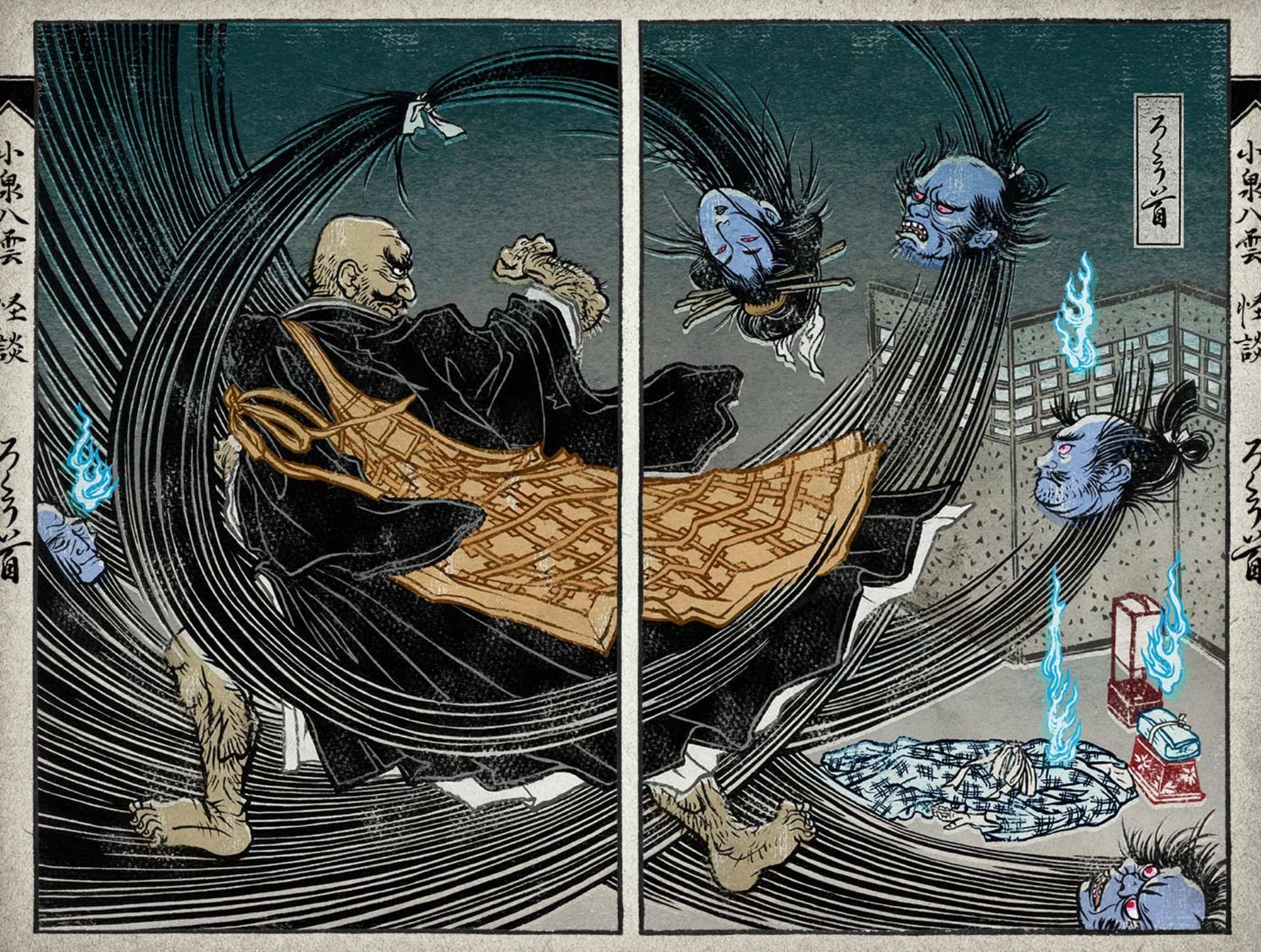
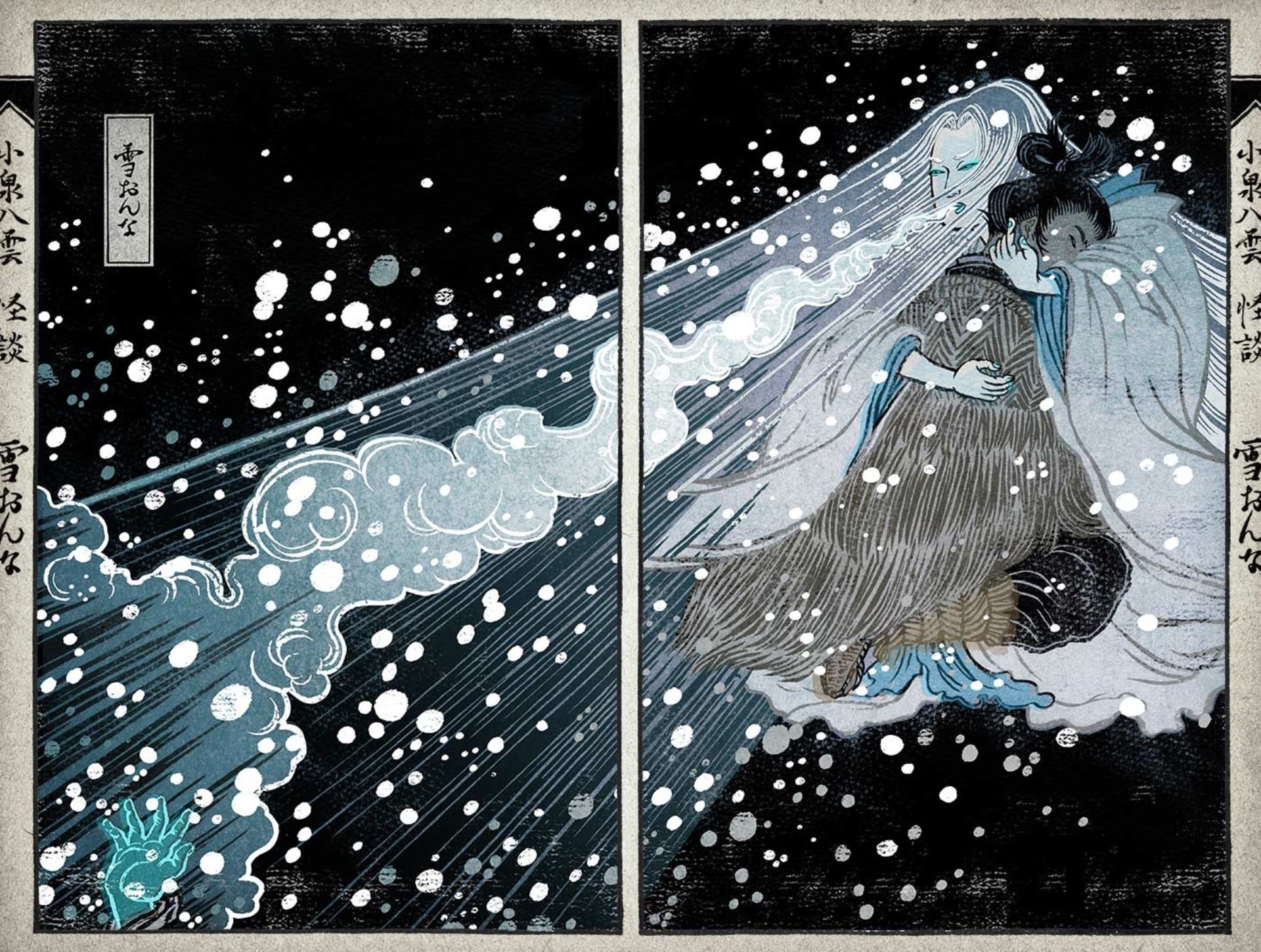
These tales were meant to be told aloud. Lafcadio Hearn first recorded many in English, and they entered wider circulation through his collections. Folio’s edition collects twenty yokai tales—Rokurokubi, Yuki-onna, Aoyagi and more—so you get a broad sweep rather than an anthology of only the famous names.
Which yokai tales are included in Japanese Ghost Stories?
Oshidori
The Story of Mimi-Nashi-Hōïchi
The Story of O-Tei
Ubazakura
Diplomacy
Rokuro-Kubi
Of a Mirror and a Bell
Jikininki
Mujina
Yuki-Onna
A Dead Secret
Jiu-Roku-Zakura
The Dream of Akinosuké
Riki-Baka
The Story of Aoyagi
Hi-Mawari
Hōrai
The Story of Kwashin Koji
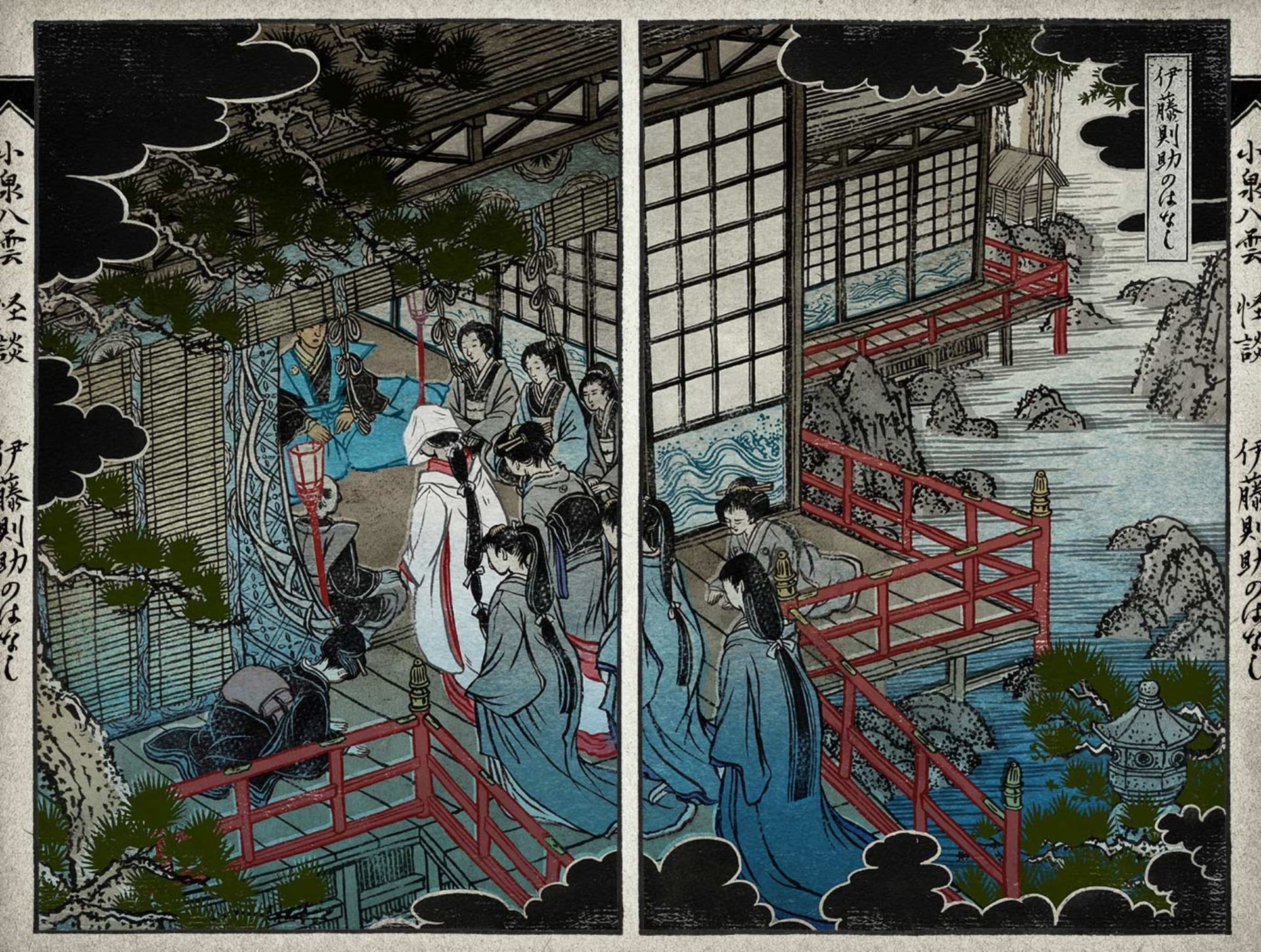
The Story of Itō Norisuké
The Story of O-Kamé
Yoko Ogawa contributes the book’s introduction, and her childhood memory of cousins whispering under mosquito nets frames Hearn’s work as both local folklore and global literature. If you care about textual lineage, Tyler’s translation is a name readers trust, and Hearn’s role as a 19th-century compiler remains central to the book’s provenance.
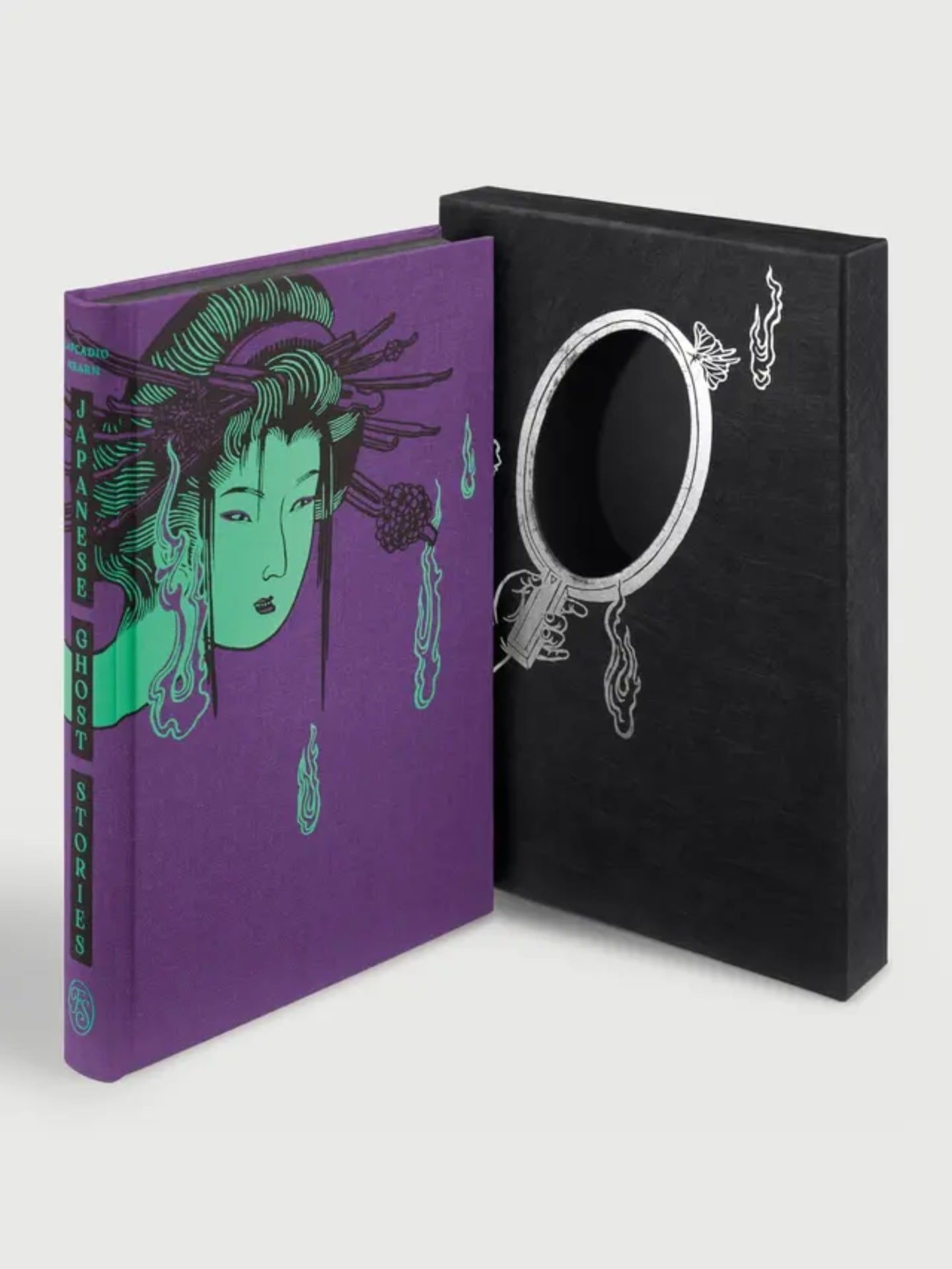
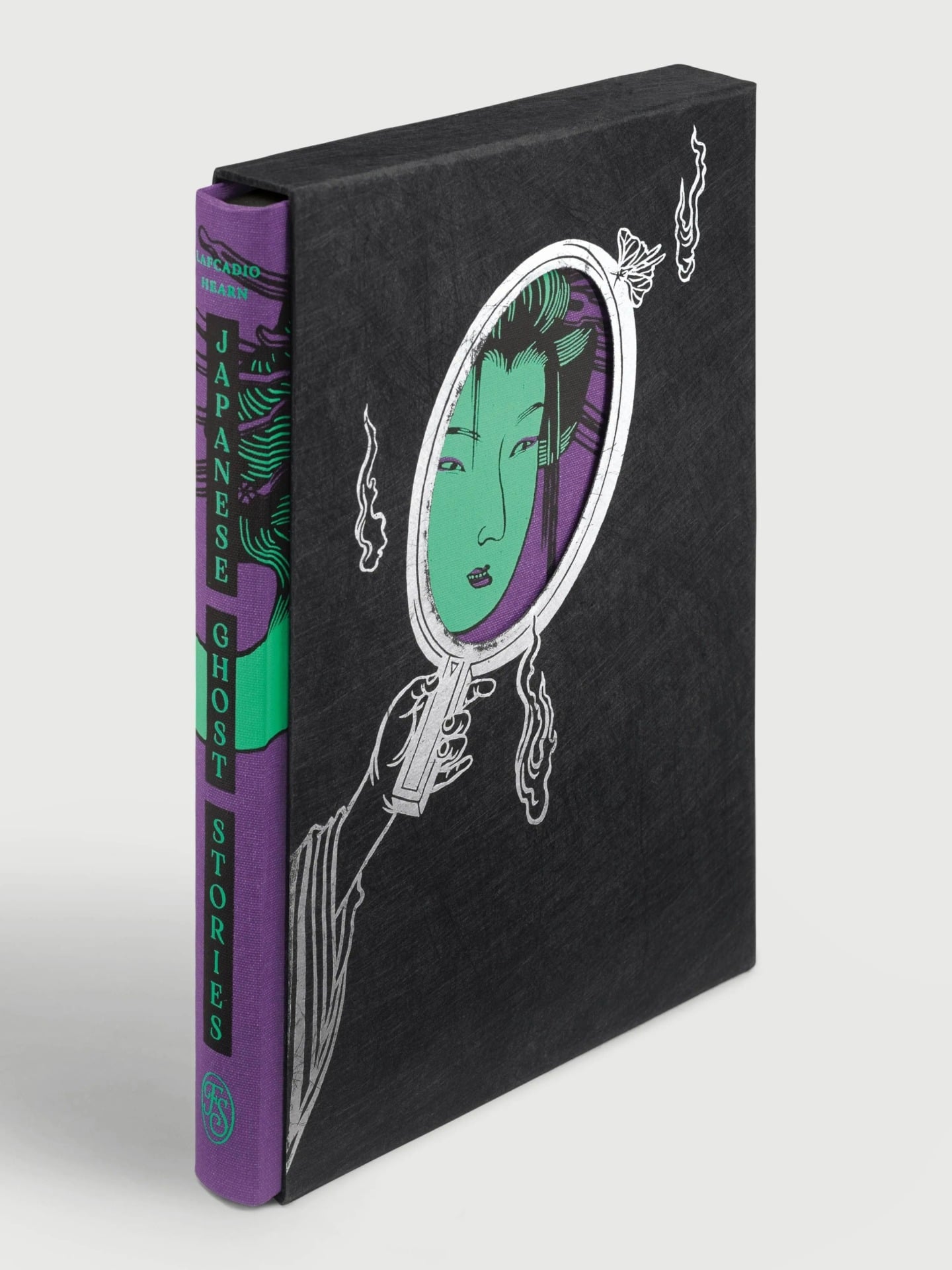
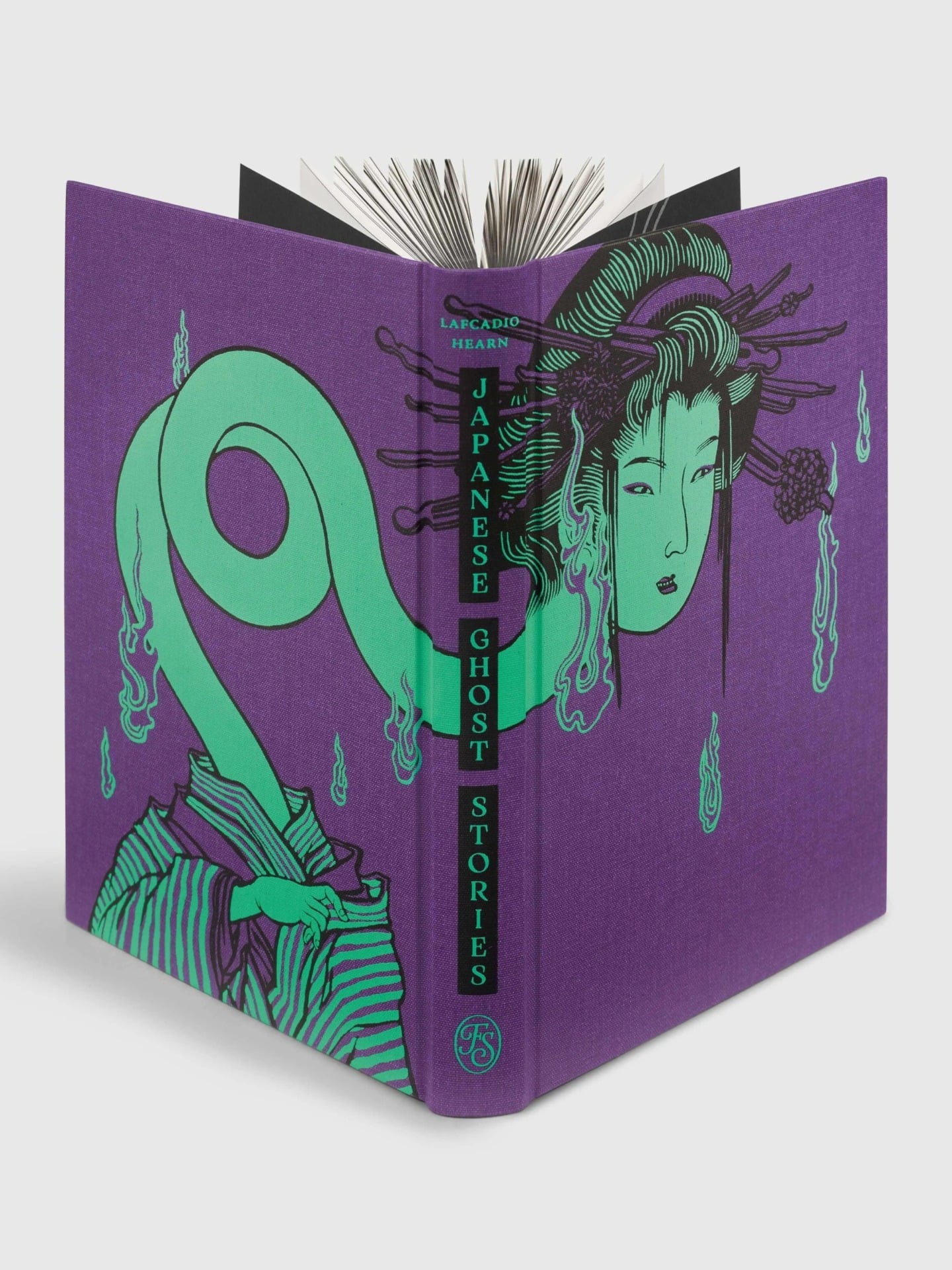
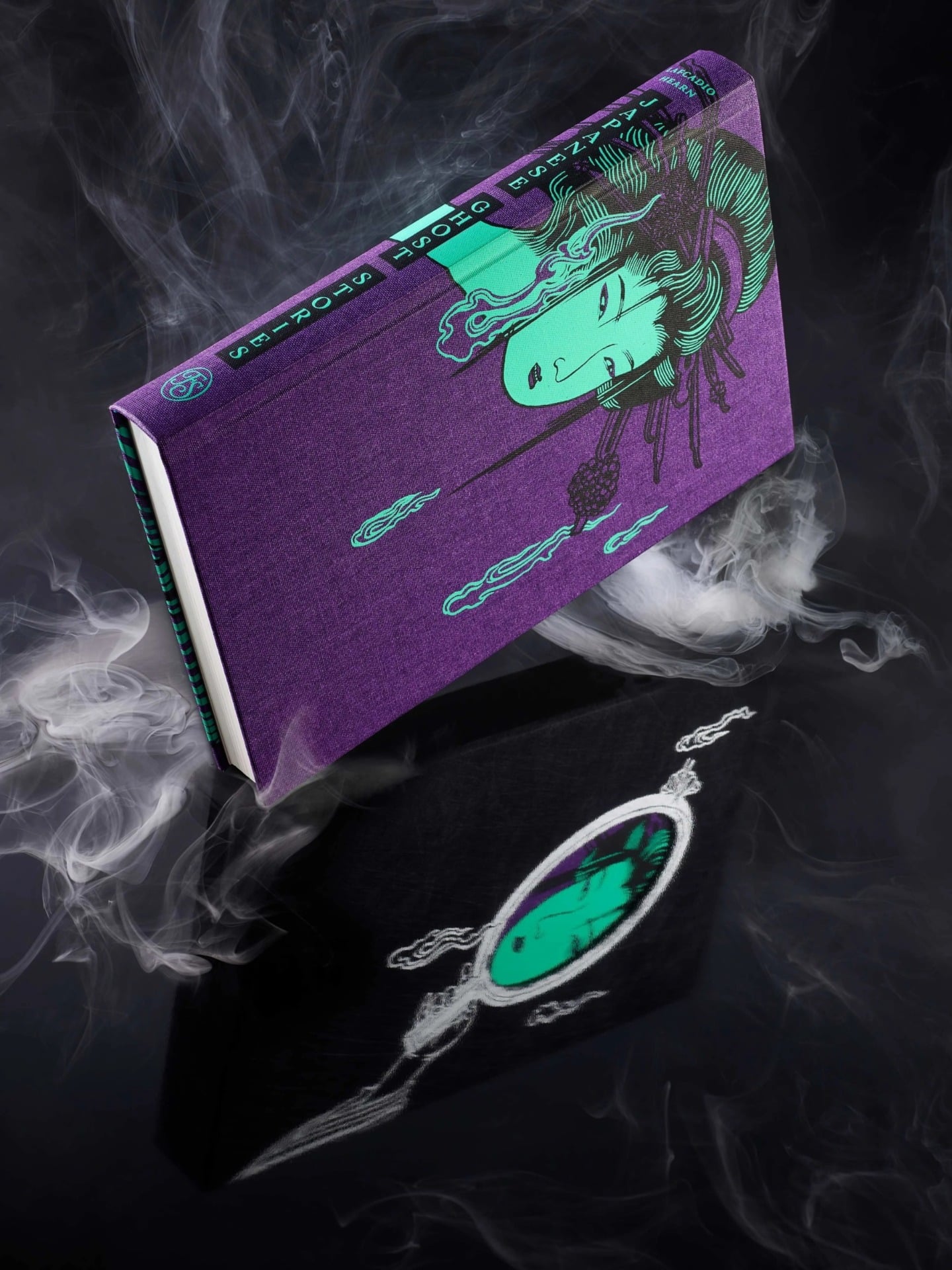
I study art direction closely because small choices change how a story lands
Yuko Shimizu’s illustrations anchor the book. She mined Edo-period formats and modernized them; the imagery reads spare and precise. In her notes she described wanting the work to recall traditional EHON formats, and you can feel that history on the page.
If you’re picturing manga-influenced brushwork, expect restraint rather than panels and speech bubbles. The visuals act as a mood engine—an invitation and a chill at once, like a moth to a lamp.
Movies & TV ran an exclusive preview of the edition; the wider conversation around these stories pulls in readers from manga communities, translation scholars, and collectors who follow Folio Society drops. If you’re the sort of reader who follows Royall Tyler, Yuko Shimizu, or recommends Kwaidan in a group chat, this edition will sit comfortably in those conversations.
The book releases October 20th and is available on Folio Society’s site. If you want the physical edition and the introduction by Yoko Ogawa, this is where to buy it.
So here’s the question I keep asking myself and my friends: will you let this edition live on your shelf as a pretty object, or will you open it, read aloud, and let one of these stories refuse to let you go?