
I found myself staring at a double-page spread where a newborn dragon erases the shore it crawled from. My heart sped because the book did something rare: it made me greedy for more corners of its world. You can feel the pull of discovery in the margins.
I’m going to tell you how A Garden of Spheres did that, and why you should care if you read fantasy that favors strangeness and slow-burning revelation over checklist plot mechanics.
On my kitchen table sits a watercolor that refuses to sit still
Linnea Sterte’s visuals demand attention. Her panels read with the quiet authority of Genndy Tartakovsky and the cosmic patience of a nature documentary narrated by David Attenborough, but they arrive with a sensibility entirely her own. Pages can be wordless and still full of purpose; a single image will rearrange your understanding of an entire chapter.
The protagonist is an immortal demigod of destruction with no memories, and her amnesia is not a plot device so much as a lens. Sterte lets you trail her through deserts, riverbeds, and neon jungles as the book busies itself building an ecosystem of gods, dragons, and human politics. Dragons are born from spheres that sprout biomes; some are tamed, some worshiped, some hunted. The rules of creation here follow the tastes of capricious deities, rendered with an artist’s confidence in tonal washes and negative space.
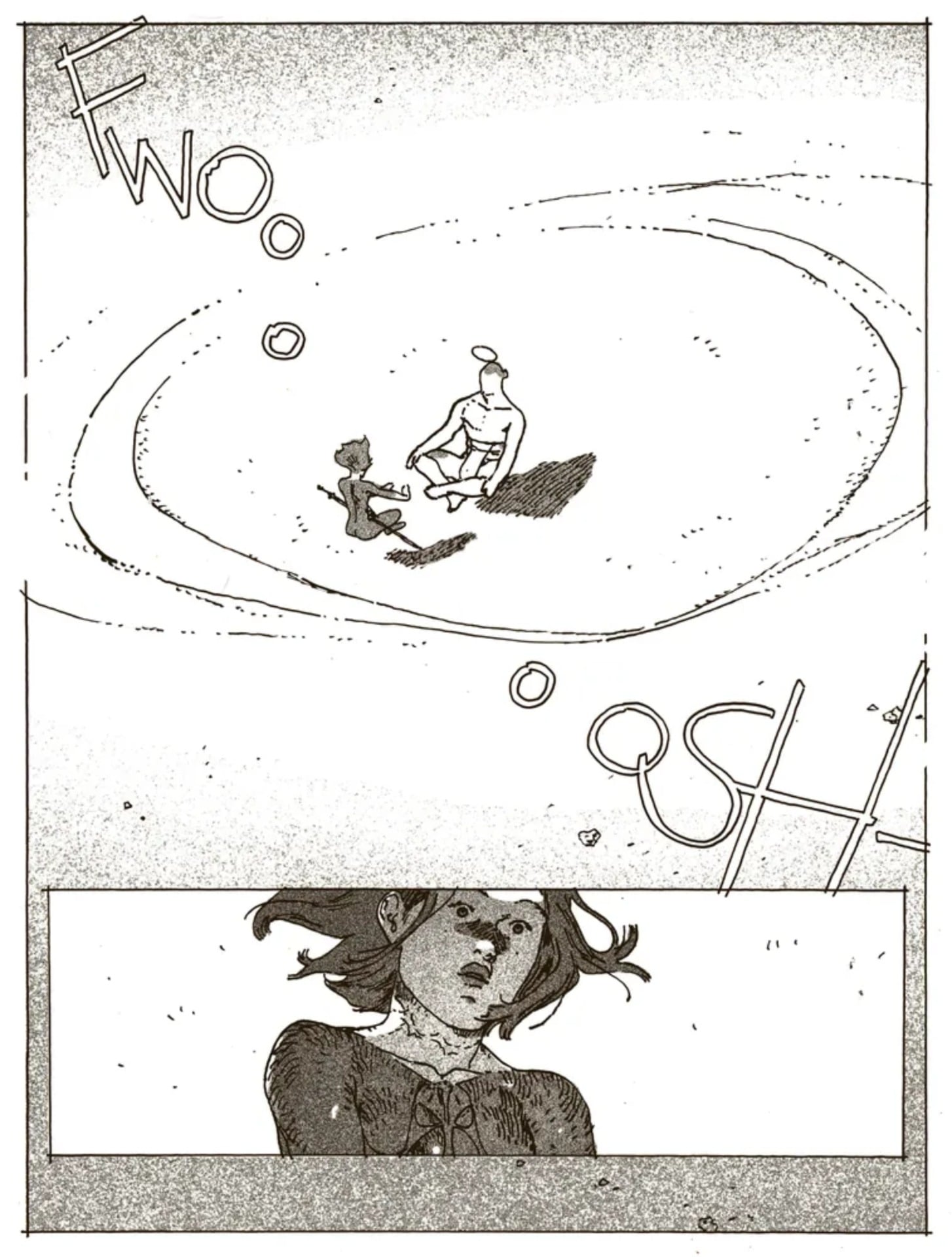
At a crowded convention table, the book made me stop counting titles
Sterte doesn’t force you into a single narrative lane. The book is anthology in feeling—vignettes that widen the mythos and then recede—yet every detour accumulates weight. Small stories carry the emotional heft: two wounded soldiers trading stories of gods, a marriage arranged around a portrait that becomes a slow-burning political fulcrum, brief human gestures that feel longer than whole novels.
That restraint becomes a strength. You’re not assaulted with exposition; you’re given fragments and asked to make the connections. Peow’s edition helps with an appendix that clarifies geography and time quirks—the farther a character drifts from the watery center, the stranger time behaves—a mechanic that pays off in subtle, unnerving ways.
What is A Garden of Spheres about?
It follows a nameless un-maker, a demigod whose gift is destruction and whose origin breaks the rules of the gods and dragons around her. The graphic novel is a portrait of wandering and discovery: mythic worldbuilding, animal biology gone alien, and human politics rendered in watercolor. If you’ve read Scavenger’s Reign, Monstress, or Frieren, this will feel familiarly strange; if you haven’t, expect to be pleasantly disoriented.
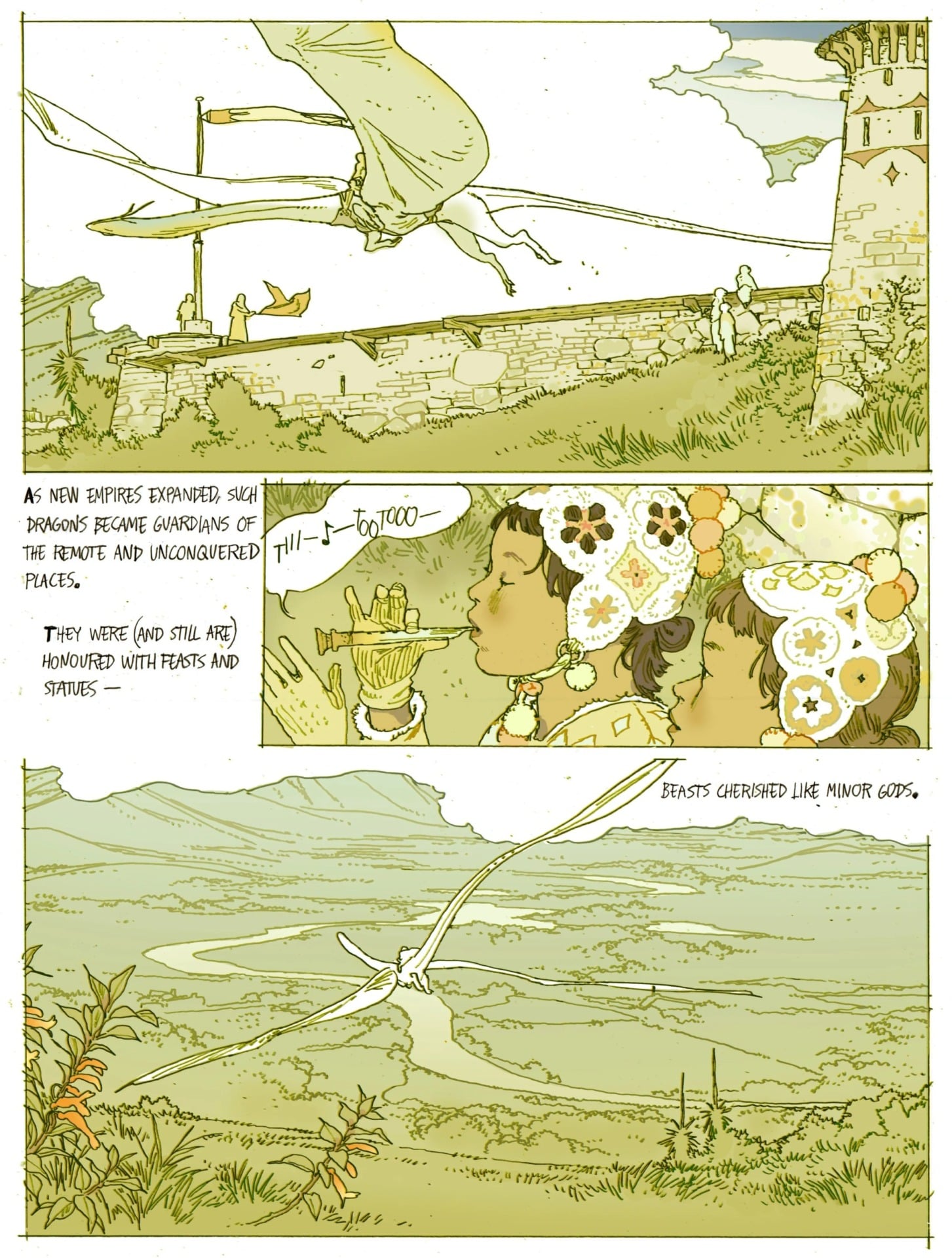
At an online shop listing, I hesitated over the price and then ignored it
Peow sells the book through its shop and Linnea Sterte shows process work on Instagram, which helps explain the slow, organic way the story evolved. You can expect to pay in the neighborhood of $45 (€41) for an edition that feels curated; that cost buys a physical object that echoes the care in the pages.
Where can I buy A Garden of Spheres?
Check Peow’s online store, follow Sterte on Instagram for updates, and keep an eye on independent comic book shops or conventions where Peow exhibits. Industry sites such as Gizmodo and Kotaku have run features that point to purchasing details and interviews; tracking those pieces is a reliable way to spot new print runs or special editions.
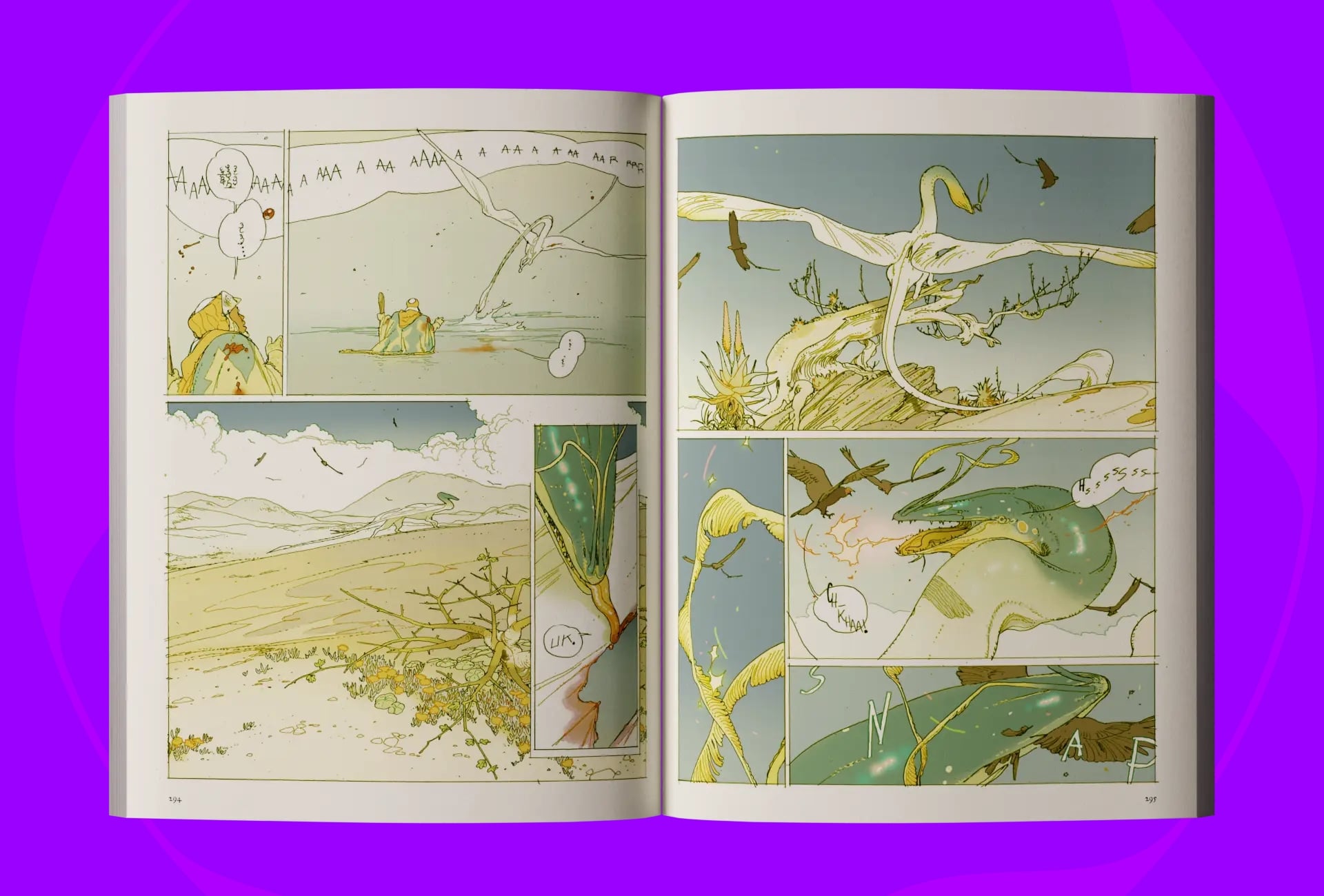
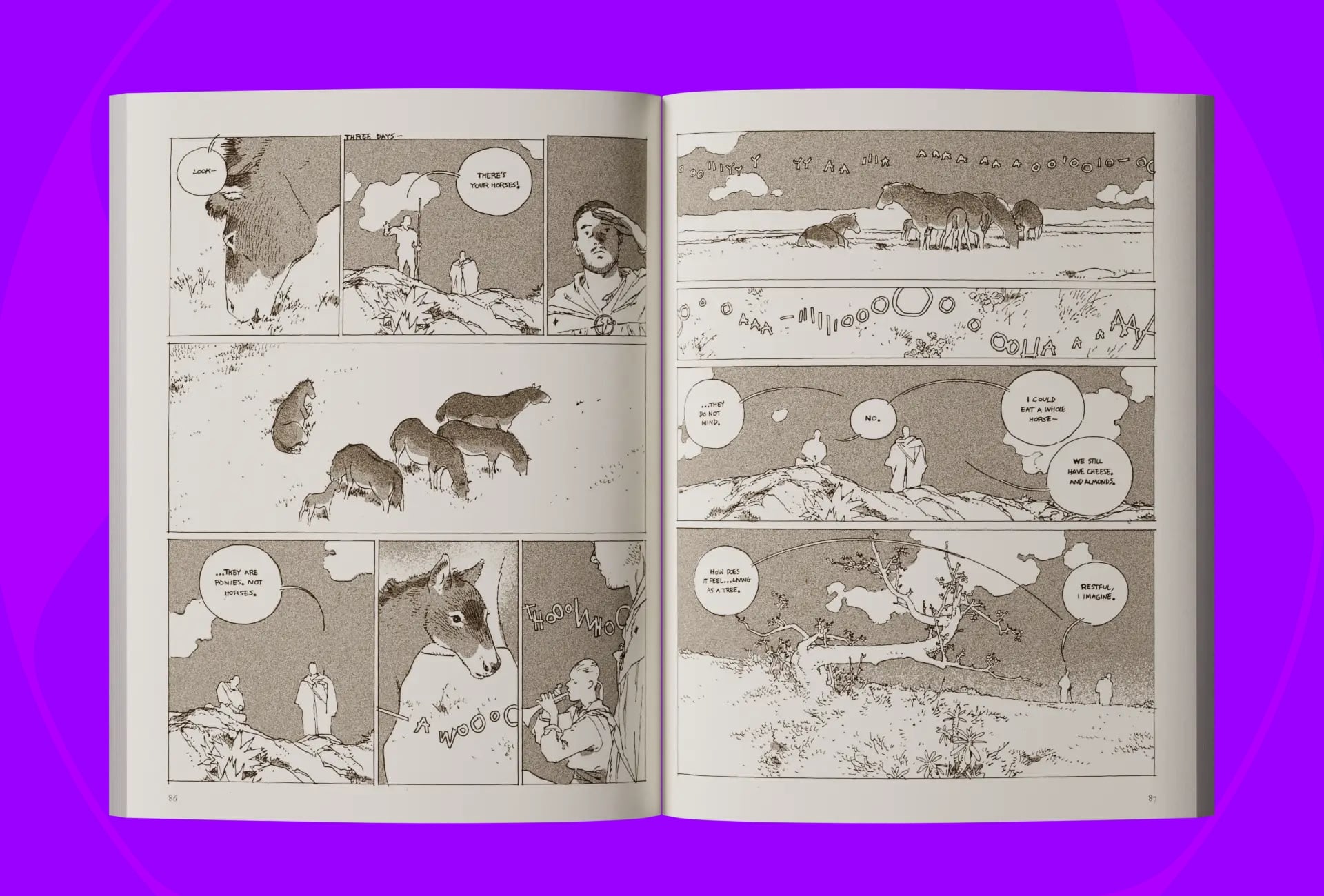
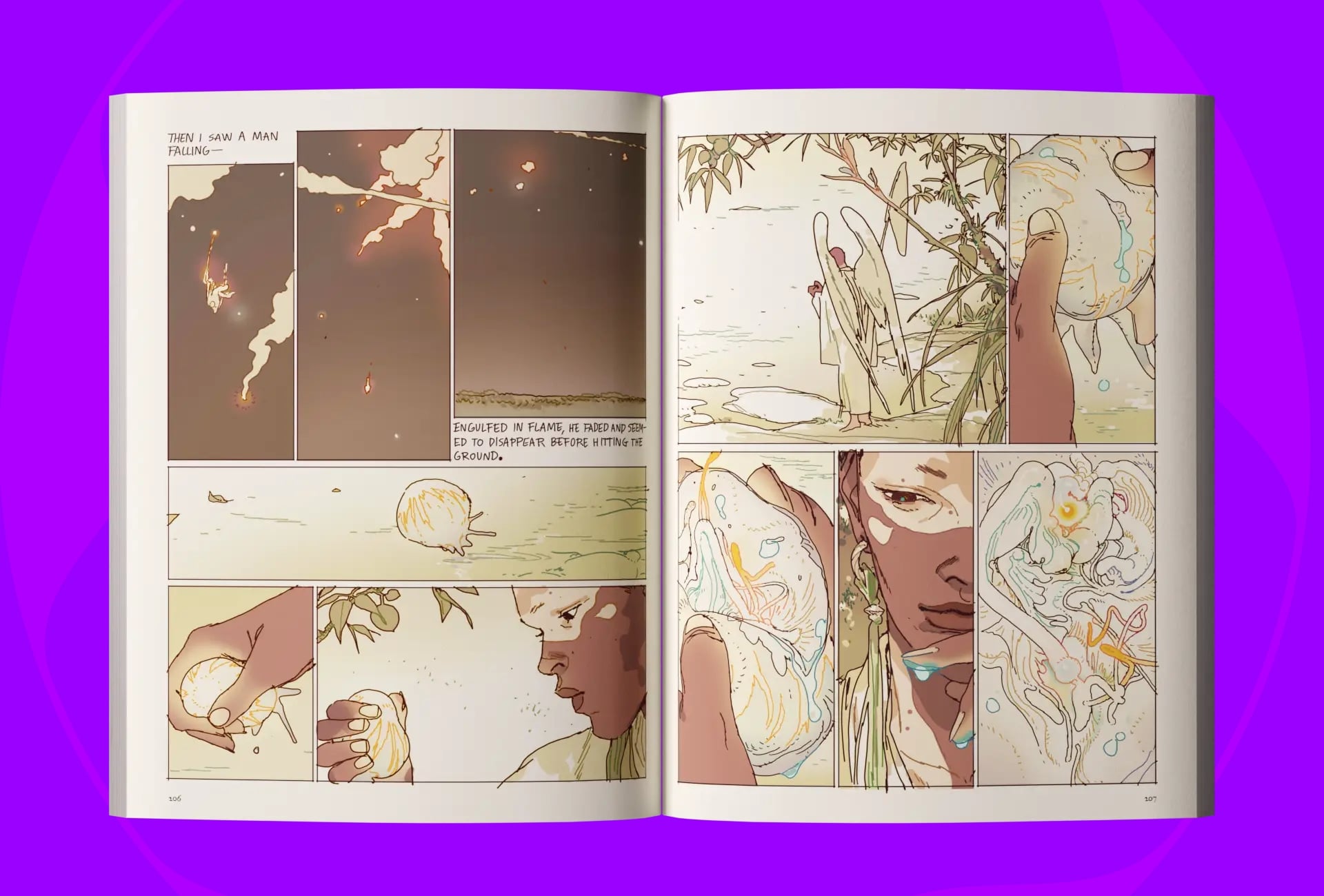
On the subway, I found the book asking questions I hadn’t planned to ask
There’s mystery in the mechanics. Time itself stretches the farther a traveller moves from a watery center. Gods craft beings to please themselves. Dragons sprout biomes and erase ground. Those rules create ethical friction: what does it mean to be born to destroy or to be worshiped for something you did not choose?
Sterte’s un-maker is not a villain framed by exposition but an observation of consequence. The narrative rewards patience: small shocks accumulate into a sense of cosmic logic. If you are trained on serialized manga like To Your Eternity or western epics such as Monstress, the slow accrual of character meaning will feel familiar, and yet this book’s atmosphere is wholly alien.
Is A Garden of Spheres good for fans of fantasy?
Yes, if you prefer mood-driven myth and art-forward storytelling. Fans of Moebius-influenced design, Genndy Tartakovsky’s visual storytelling, or the political subtlety of Frieren will find threads to follow. If you want answers handed to you in tidy arcs, this might frustrate; if you savor being led by imagery and implication, it’s richly rewarding.
Sterte is multi Eisner‑nominated company now—her confidence shows in every chapter. The book asks you to slow down and observe; reading it feels equal parts archaeological dig and dream that keeps shifting its geography.
The art has a single bold statement I can’t shake: the book is a moss-covered cathedral. The un-maker moves through space beneath a sky that is a spilled inkpot. Do you think readers will accept a book that refuses easy categories and still ask for a second volume?