
The lights were low in Rick Baker’s Studio City garage when a green fiberglass torso was set on a table. The team laughed, then froze as a hand twitched and the creature looked back. By the end of the roll, everyone knew they had filmed something that could change a movie.
I chased that VHS for years. You’ll see what I mean when I tell you how a prototype meant to terrify became the gentle face of E.T. — and why a single 10-minute test mattered more than a finished script.
Outside Rick Baker’s Studio, the garage smelled of glycerin and foam
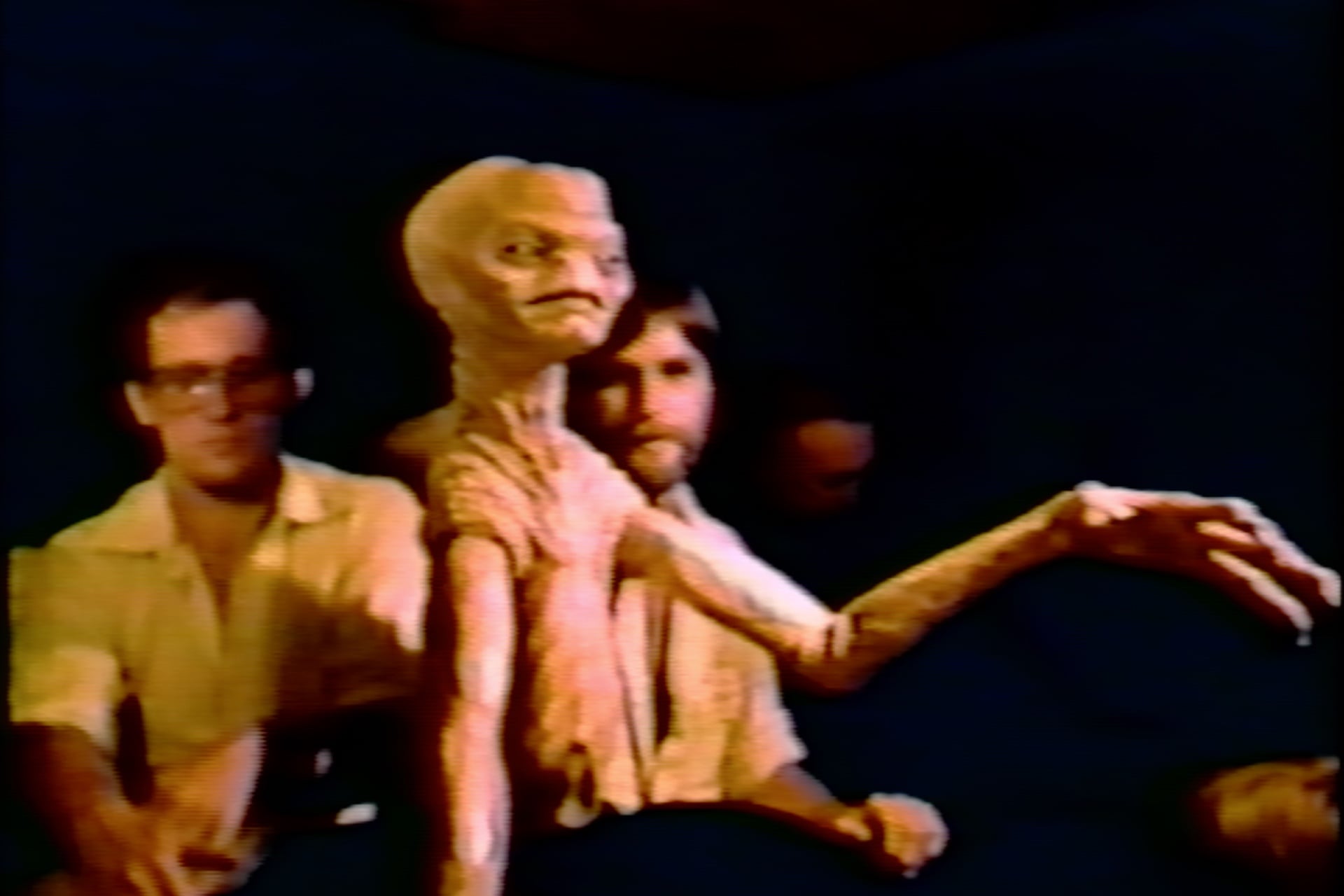
I met the footage the same way you find an old, important email: by accident and impossible to ignore. On July 1, 1980, Baker’s crew gathered to test a four‑foot alien head and torso they called Skar. They spent roughly $70,000 (€65,000) and four months to reach that moment — money, time, and ego on the line for a test that would be sent to Steven Spielberg and to Columbia Pictures.
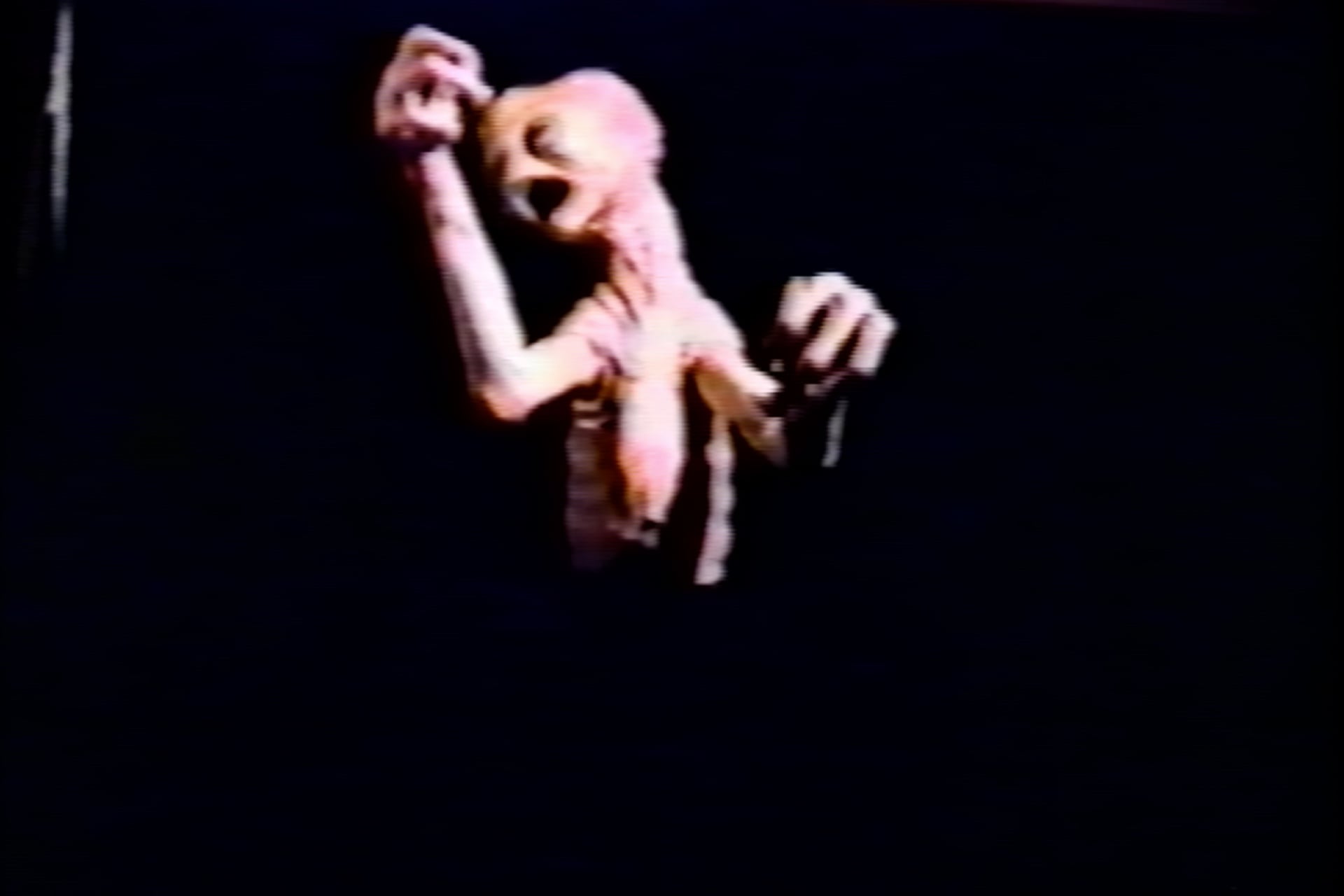
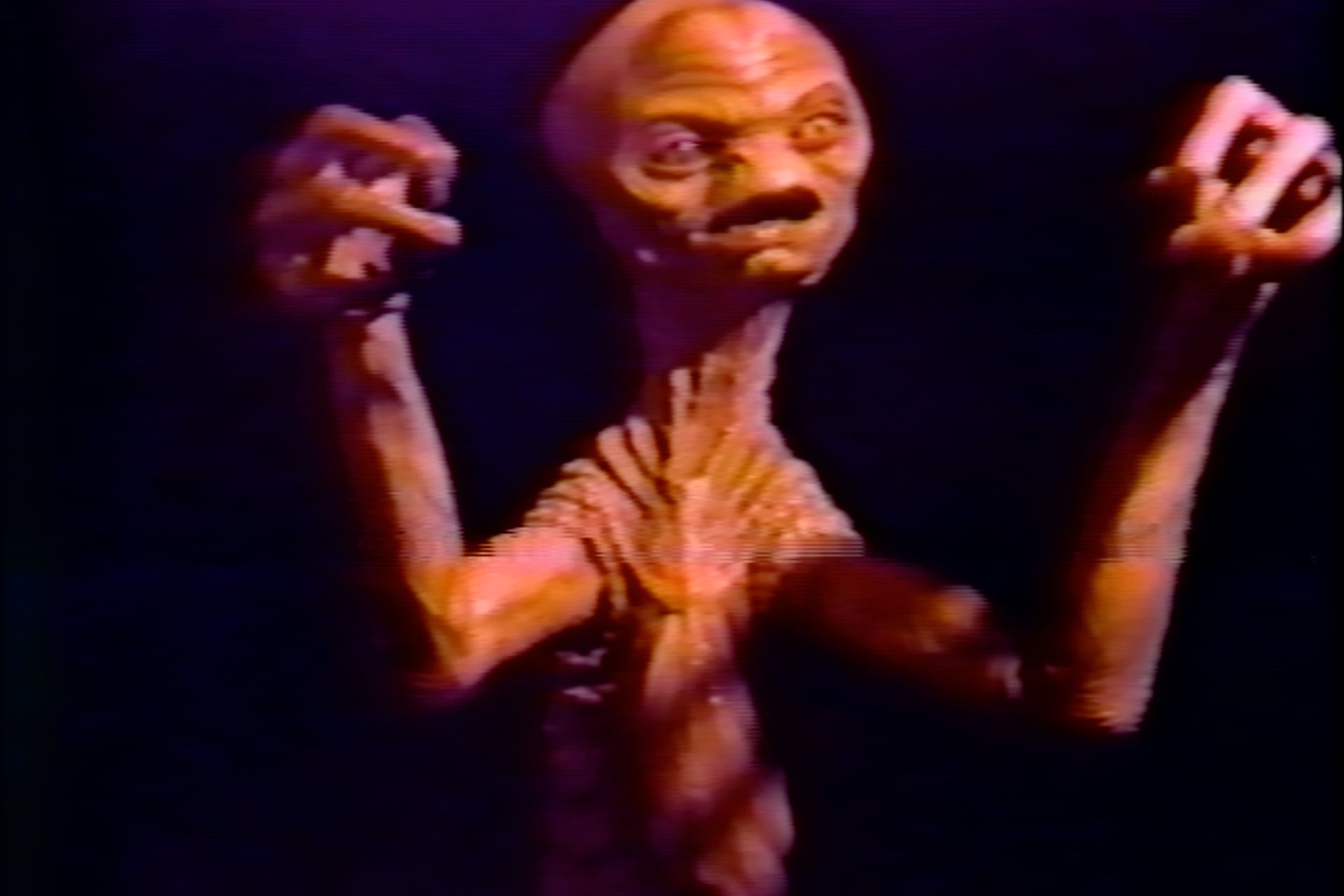
The clip begins primitive and then becomes shockingly alive: eyes dart, fingers curl, a throat pulses. The mechanics were a mix of radio-controlled servos and “slave” waldo systems, where an operator’s limb mimicked the puppet’s movement. Rick called it “anatomation” — a name half joke, half claim.
In the middle of the test, a prototype extended its neck and stunned everyone
That stretch-and-retract motion was a single flourish that haunted the tape. It’s one visible moment where Night Skies stopped being a design exercise and started behaving like a character. The prototype drank from a can, blew a bubble, sneezed, and then curled a four‑fingered hand into a taunt — tiny acts that sold presence.
How did E.T. originate?
At first, Spielberg’s follow-up to Close Encounters was meant to be darker—John Sayles had scripted a horror-tinged Night Skies about malevolent aliens. But the test footage of Baker’s creation shifted thinking. The prototype’s subtleties — blinking, the throat swell, a surprised look — showed a path away from menace and toward empathy. Carlo Rambaldi would later receive design credit for the film’s final alien, but traces of Baker’s work survived in posture and expression.
On a studio monitor, puppeteers operated under a puppet and learned fast
You can hear the crew in the unedited hour-long tape: directions, laughter, quick problem-solving. Doug Beswick, Bill Sturgeon, Tom Hester and others improvised mechanics under pressure. EFX Inc., Baker’s company, was still proving itself; the test served as both R&D and a calling card to producers and to the industry at large.
Who designed E.T.?
The short answer is collaborative: Spencer Tracy wouldn’t have been allowed to take sole credit for improvisations on set, and neither can a single name own E.T. Carlo Rambaldi built the final film puppet, but Rick Baker’s hands and EFX’s tests pushed the movie’s emotional vocabulary. Kathleen Kennedy reportedly called Baker to say the test “made Yoda look like a toy,” an authority cue that helped the tape’s momentum as it moved up Spielberg’s chain of decision-making.
Next to the monitor, a VHS tape sat like a nervous witness
I had that tape digitally scanned and returned it to Baker. Watching it restored felt like reading a letter from the past — and seeing how small, practical choices informed a beloved image. The prototype’s face was a clenched fist in the dark. The studio that day was a pressure cooker of invention. Those two images explain why producers reacted the way they did.
What was Night Skies?
Night Skies began as Spielberg’s darker riposte to Close Encounters, with Ron Cobb attached to direct and Rick Baker designing creatures: five aliens intended to terrorize a rural family. The project shifted course through development, spawning creative offshoots that influenced Poltergeist, Gremlins, and, in a roundabout way, the gentler alien that reached audiences worldwide.
There’s a practical, tool-driven lesson in all this for creators: small experiments on a shoestring — a servo here, a servo there, a test on a VHS — can redirect a whole production. Platforms such as Instagram and archival preservation helped Baker and others reintroduce the footage to new audiences decades later; Baker himself edited a montage for Instagram after the digital scan surfaced.
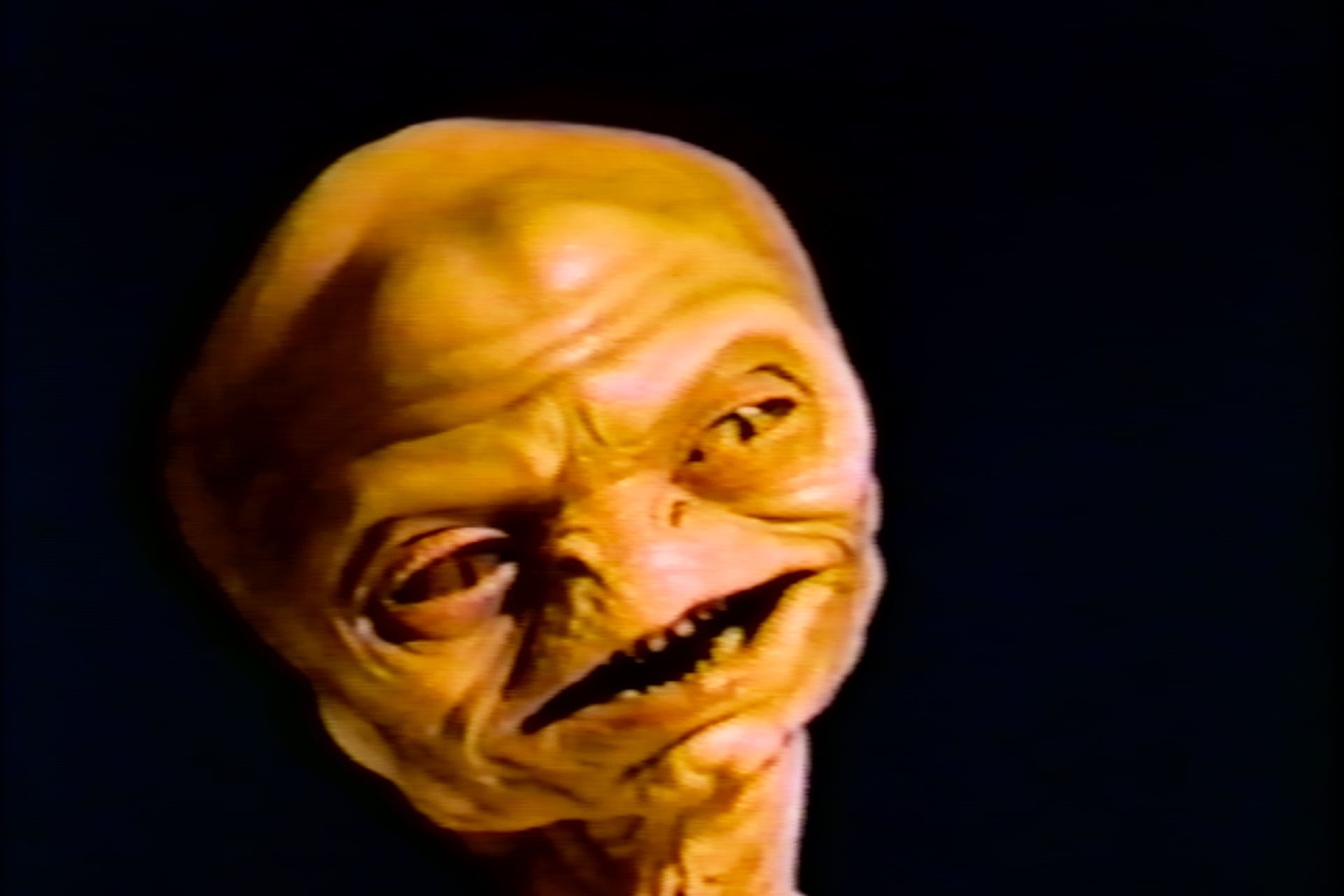
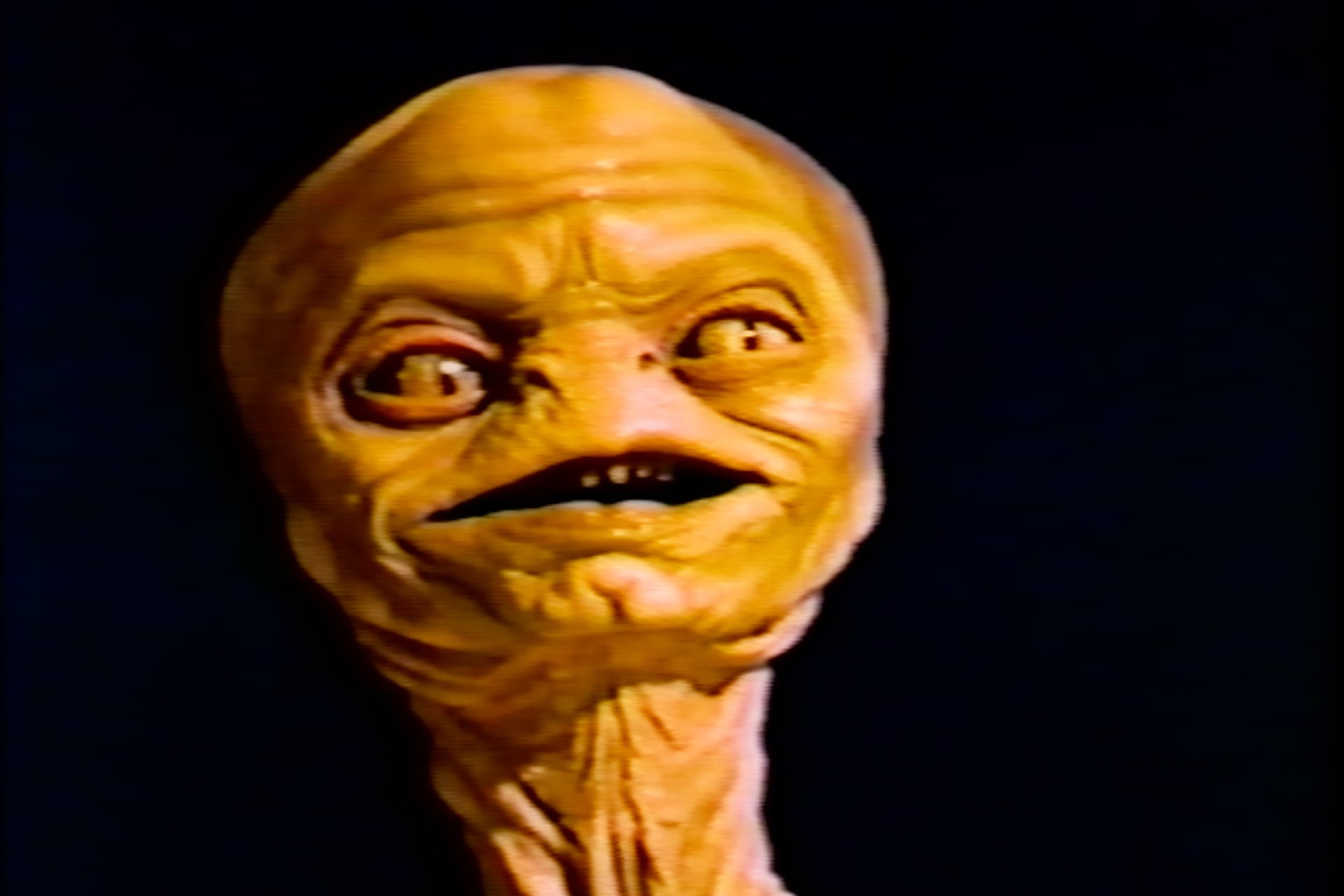
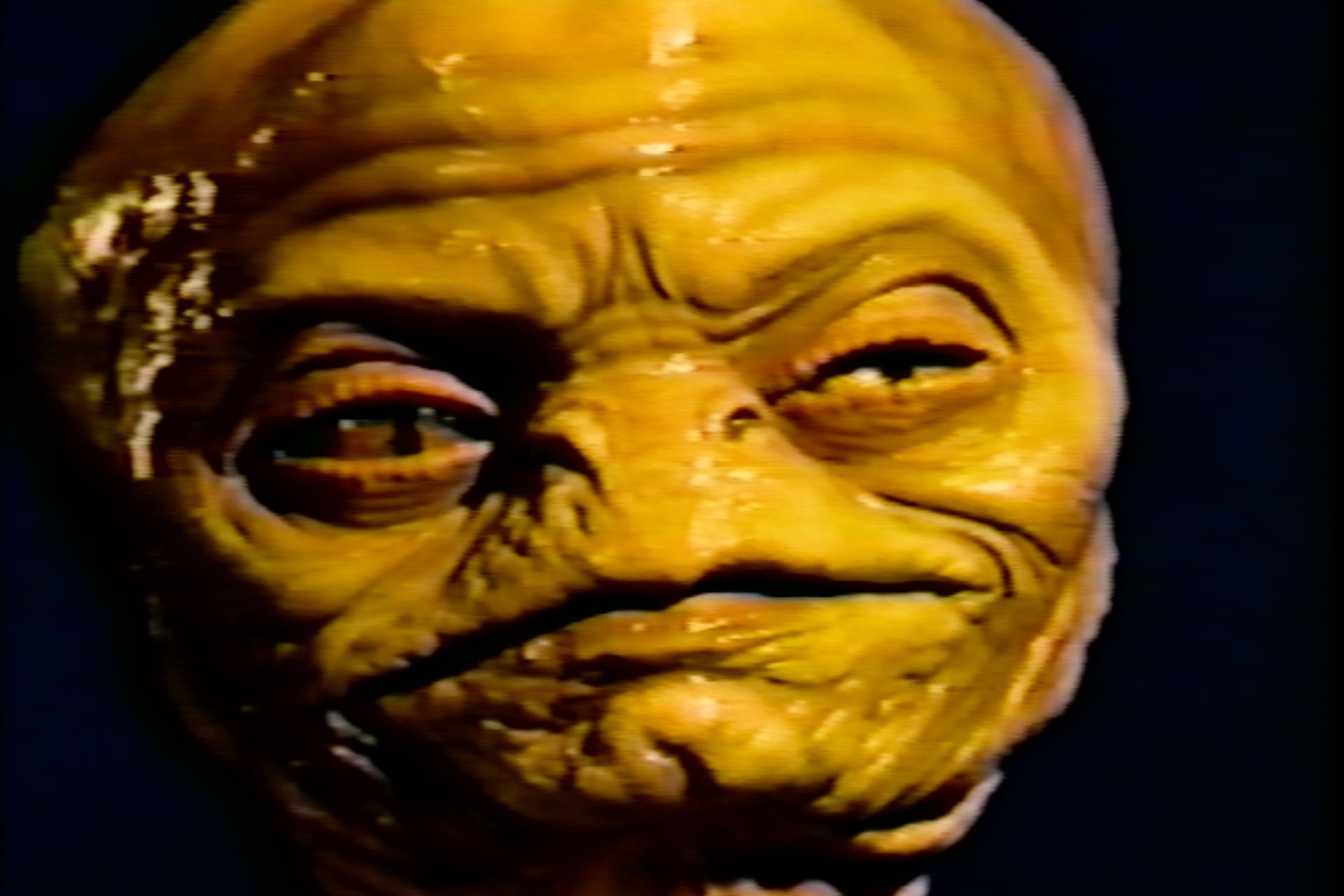
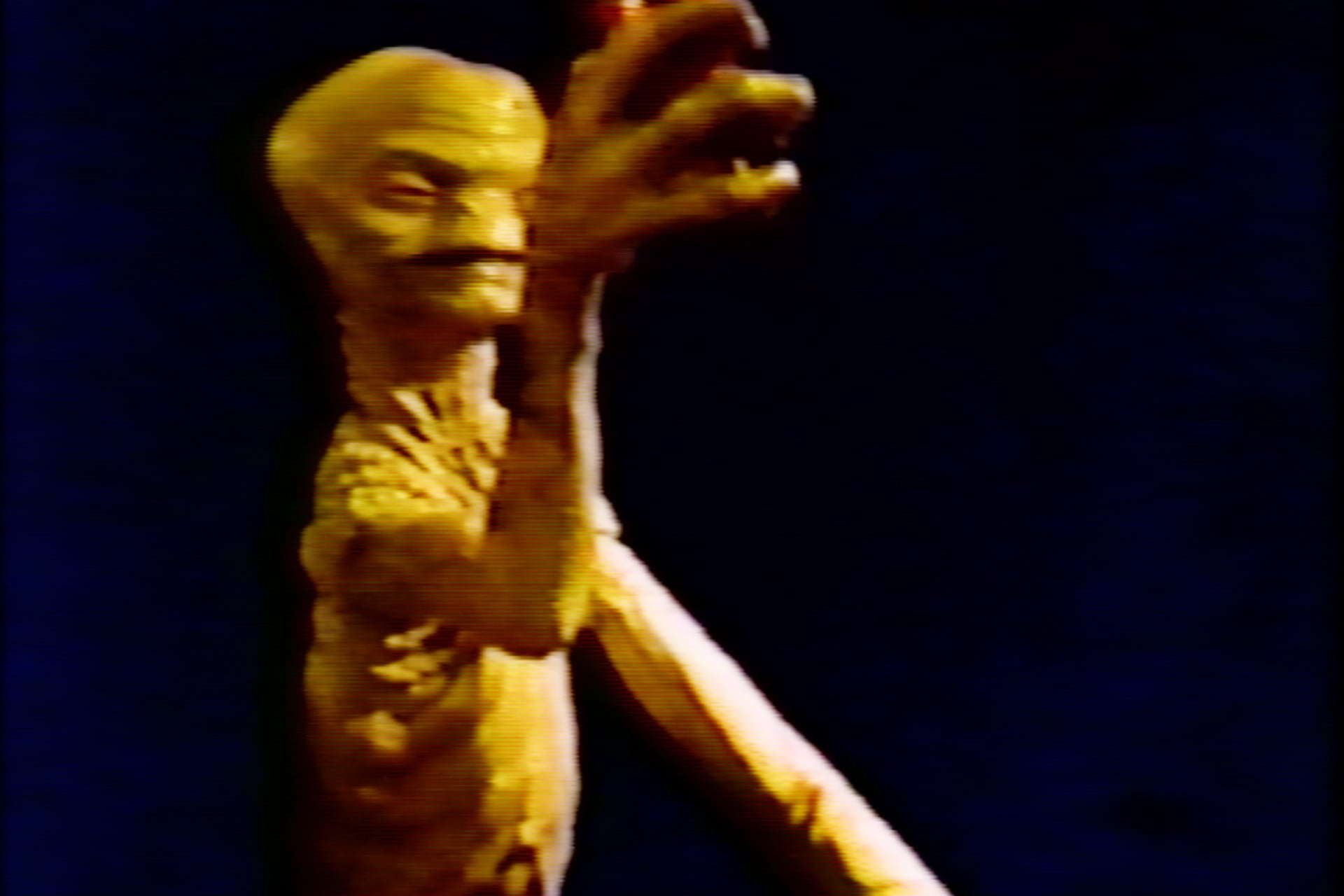
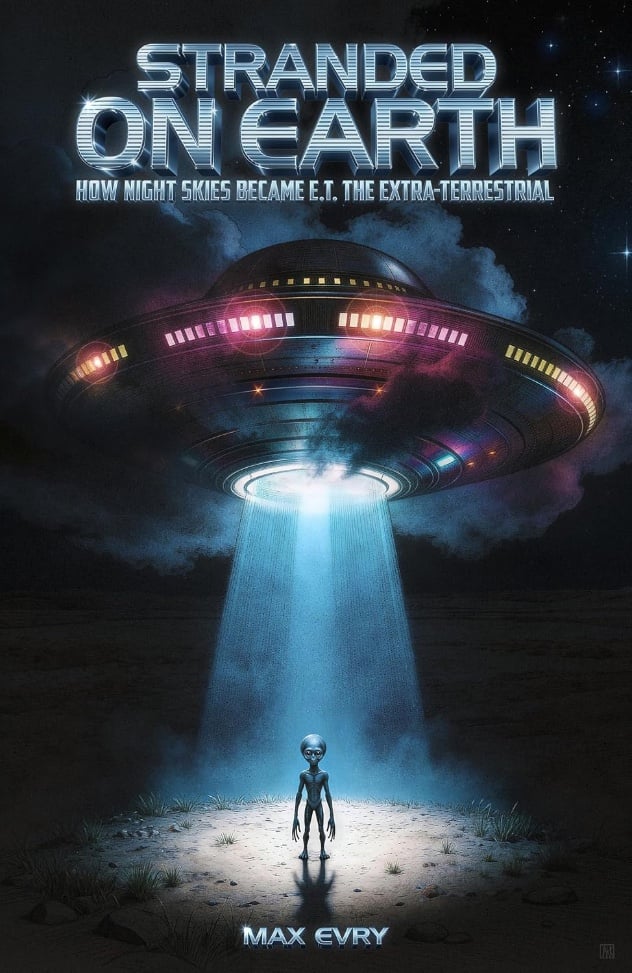
The full story unfolds in Max Evry’s Stranded on Earth: How Night Skies Became E.T. the Extra-Terrestrial (1984 Publishing), which reproduces the test frames and interviews from Baker, David Robert Cellitti, Tom Hester, Bill Sturgeon, and others. The footage — once a studio curiosity — helped nudge Spielberg toward a film that would reframe an alien as a friend rather than a threat.
Want more Movies & TV news? Check out the best movies and TV shows to stream this month and all the upcoming sci‑fi, fantasy, and horror books that should be on your radar.
If a short tape could change the tone of a major studio film, what does that tell you about the small experiments you’re avoiding right now?