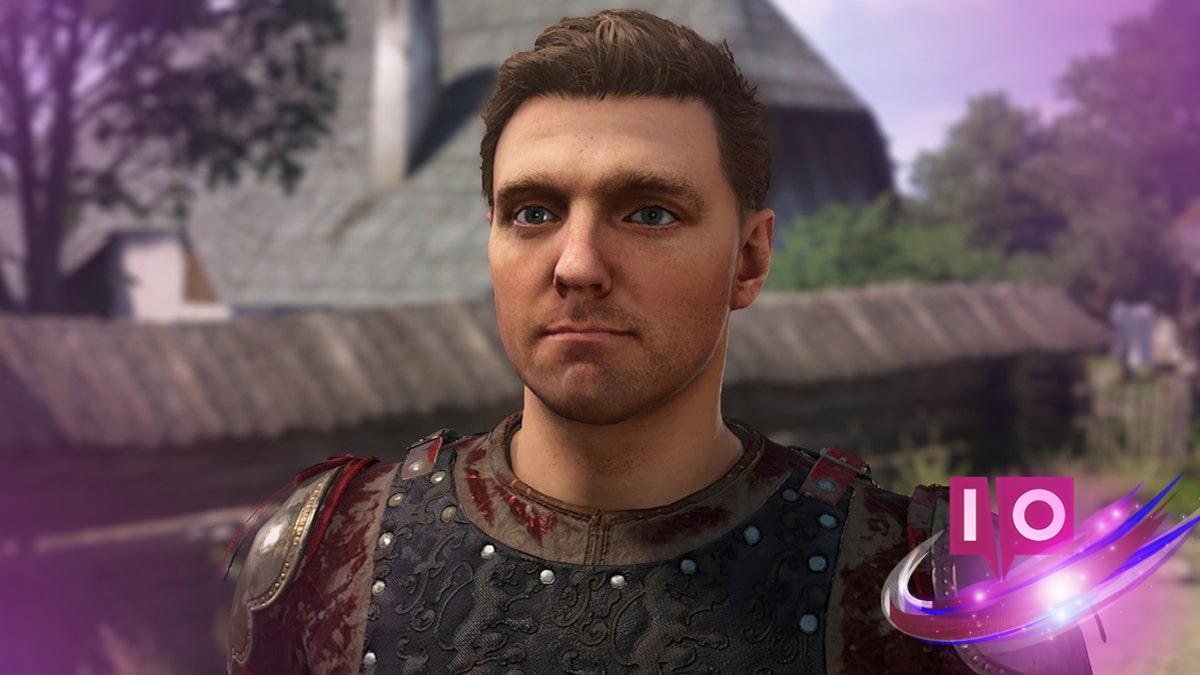
The Warhorse AMA began on Reddit with a polite opener and an uneasy timing. Minutes later the thread felt less like a Q&A and more like a pressure cooker. I watched it flip from promotional to personal, and you could feel the stakes shift.
At noon UTC Warhorse Studios posted their AMA on a subreddit where AI is a hot-button issue.
You and I both know how risky that sounds when the company has just replaced a Czech translator with generative AI. I felt that risk immediately: it’s one thing to announce tech choices in a press release, another to invite live questions from people who lost work because of those choices.
The session lit up fast. Questions weren’t merely curious—they were pointed, precise, and informed. Redditors hit the studio with lines like:
“Why are you pro generative-AI despite its obvious negative impact on people working in the creative industries, including gaming?”
“I always dreamt of working as a translator for Warhorse Studios, do you think I have a chance?”
“Why need creative directors, why not replace them with AI as you did with your translators.”
In the thread a single upvoted question became the lightning rod, and the community rallied around it.
The top question—at almost 190 upvotes—asked if Warhorse’s Gemini Premium subscription would handle future translations now that a human translator was let go. That one line became shorthand for every worry about jobs, quality, and accountability.
Some comments were acidic: “How could they be dumb enough to host an AMA after choosing AI over people?” Others mixed sarcasm with strategy, joking about Bond-villain funding or posting mock offers of Saviour’s Schnapps. You could sense both anger and creative play—a community using humor to sharpen critique.
Why did Warhorse replace their translator with AI?
Short answer: cost and speed claims, backed by the usual defenses about pilot programs and accuracy metrics. But you should ask for evidence—side-by-side translation samples, error rates, and human review policies. If a studio leans on an algorithm without transparency, you lose a layer of editorial care that mattered in narrative-driven games like Kingdom Come: Deliverance 2.
Will AI translations harm the narrative quality of Kingdom Come: Deliverance 2?
Context matters. Machine translation can handle straightforward lines, but subtle tone, historical phrasing, and character voice are fragile. When a single mistranslation shifts a character’s motive, the player experience follows. One Redditor summed it up bluntly: “Is your gemini premium subscription gonna translate your next game since you fired the guy that did the English translation?”
The reaction makes a larger point about audience trust and creative labor.
Fans don’t just care about bugs and graphics; they care who builds the story. I noticed the pattern: anger focused on process, not only outcome. People want standards, accountability, and some public reasoning for a decision that affects livelihoods.
This thread became an experiment in accountability—an attempt to force transparency with public pressure. And when companies speak in vague management-speak, communities replace it with sharp, specific questions. The effect felt like throwing a hand grenade into a study: disruptive, noisy, and impossible to ignore.
How should players respond when a studio uses AI in place of humans?
Vote with attention. Track the studio’s public answers, request sample comparisons, and demand clear edits and review policies. If you care about translation quality, ask for demonstrable human oversight—proof that a human editor signs off on final text. Share your findings on forums, report issues in QA threads, and support professional translators who publish comparisons.
At scale, small choices become industry precedents and fans are watching closely.
One laid-off translator is a single event today; repeated choices like that set norms tomorrow. I watched the thread turn from outrage into pattern-spotting—users mapping one decision onto potential future layoffs and creative shortcuts.
If studios normalize replacing skilled labor with thinly audited models, the cost will show up where you feel it most: in voice, nuance, and cultural specificity. The slow erosion starts quiet—like a hairline crack in a dam—and by the time it shows, the damage has spread.
Warhorse will reply on April 30 unless something forces a cancellation, and you can still post questions on their AMA page. I’ll be watching what they say and how they justify both the decision and the quality measures they use—will you?