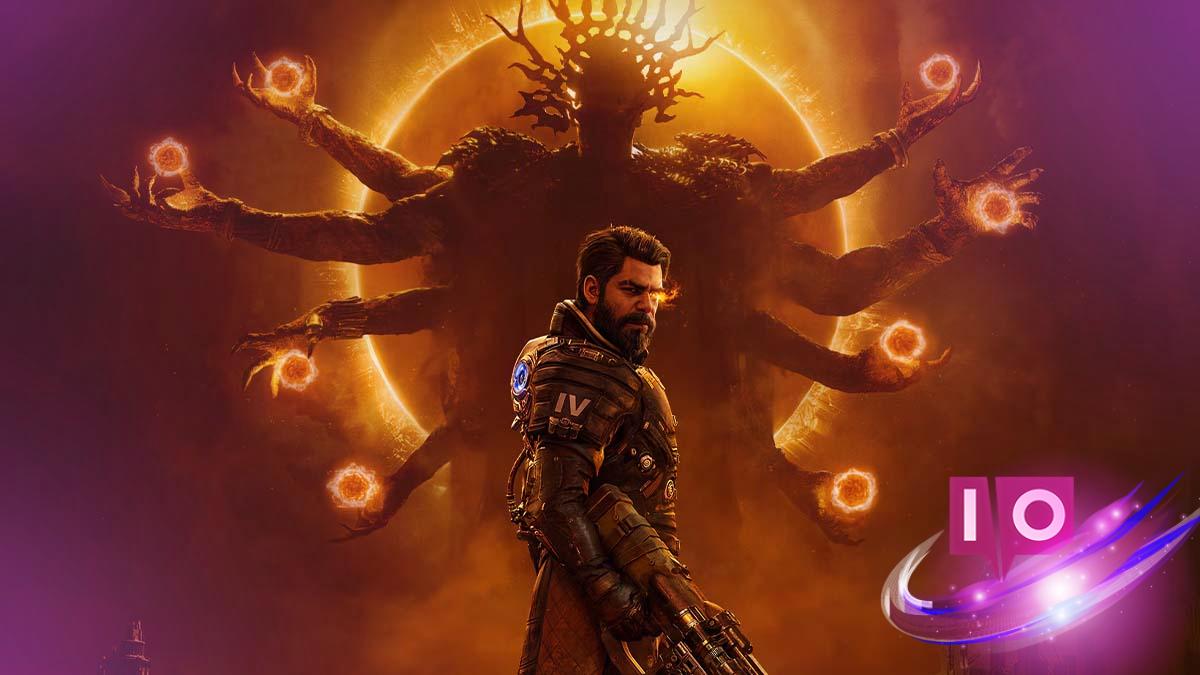
I was five minutes into a PS5 boot and a stranger’s screenshot filled my feed with a smear. It claimed Saros‘s plot boiled down to a grotesque, made-up affair meant to rile people up. You and I both see how that kind of lie behaves like a cigarette burn on a finished print—meant to attract attention and ruin the work.
I want to walk you through what’s actually happening, why it matters, and how these attempts use cheap AI tricks to bait clicks and outrage. I’ll name the platforms, call out the tactics, and point to the receipts so you can judge for yourself.
What this is: Housemarque’s Saros — the follow-up to Returnal starring Rahul Kohli on PlayStation 5 — is a rare, big PS5 exclusive. What this isn’t: the grotesque rumor mill that a handful of users are trying to force on the community.
Let’s be blunt: the screenshots and hot takes being spread are AI forgeries, the reviews were sometimes faked, and the primary motive looks like culture-war fuel more than criticism. I’ve seen this pattern before; it plays out the same way on Twitter, Bluesky, Reddit, and Discord when a game with diverse casting succeeds.
This “Screenshot” from SAROS is 100% fake and AI! it’s not in the game nor do nitya and Kayla even cross paths ever. What a disgrace to spread this around doing the devs at Housemarque a disservice lying on their beautiful story pic.twitter.com/P131twDQvA
— junkster (@Junksterrr) May 2, 2026
At my local store a kid was telling his friend he won’t buy a game with ‘forced’ casting — How the smear starts
The pattern is simple: half-baked accusations, an AI-generated image, and a few influencers amplify the lie. Often the first signal is a fake “screenshot” or a manufactured review snippet that quotes outlets like Eurogamer or IGN out of context.
Are the screenshots of Saros fake?
Yes. The so-called screenshots do not appear in the game, and Housemarque has called them out as AI fabrications. Generative models—think Stable Diffusion and similarly accessible image tools—can stitch believable-looking text and faces into images that fool casual viewers. When you see a claimed in-game screenshot that nobody can find in a build or a streamer’s capture, treat it as suspect.
Platforms matter: Twitter is still the amplification engine, Bluesky is where some counterclaims surfaced, and forum threads on Reddit and Discord act as echo chambers. If something looks inflammatory and the provenance is a screenshot without a video timestamp or an in-game capture, it likely started as AI noise.
On my commute I overheard two people debating whether hype or smear sells more — Is the Saros misinformation campaign working?
Short answer: not the way the smearers hoped. Saros landed strong reviews, healthy player feedback, and reportedly moved over 1.2 million units in its first week — a commercial show of force compared to Returnal‘s launch-week number of about 307,000.
He’s using fake review scores and quotes from eurogamer and thegamer, and IGN India hasn’t even reviewed the game yet.
That doesn’t mean the campaign is harmless. Lies spread fast and can damage a studio’s reputation, drain dev morale, and co-opt coverage. But sales and solid reviews show players are judging the game on its merits—something the smearers can’t easily reverse.
Why are people attacking Saros?
Part of the pushback is cultural. The protagonist is modelled on Rahul Kohli, a British actor of Indian descent, and that reality upset certain corners of the internet that reflexively weaponize “anti-woke” rhetoric. That motive combines with opportunistic trolls who use AI as an amplifier for outrage-driven content.
At a meetup I heard a designer say fake reviews feel like an old trick with new tools — How AI and platforms fuel the noise
AI has lowered the technical barrier to creating plausible fabrications. Text models (including the class of services around GPT-style assistants) and image generators can produce quotes, UGC-style images, and fake “captures” in minutes. The result is an ecosystem where clicks and rage are currency.
How can you tell a fake review or screenshot?
Check provenance: look for video captures, timestamps, or direct files from streamers and press. Verify quotes against the original reviews on sites like Eurogamer, TheGamer, and IGN. If an account is pushing outrage without evidence, it’s often a coordinated tactic—report it, but also document it before amplifying.
Report abuse on the platforms: Twitter/X, Bluesky, Reddit, and Discord have reporting tools. Flag synthetic media and provide links to legitimate coverage. When you respond, do so with facts and links—outrage without evidence fuels the next wave.
Housemarque deserves credit here: they made the game, they answered false claims, and their community pushed back. The studio is rare in delivering a big, original AAA experience on an expensive console like the PS5, and the evidence suggests the game’s quality is what’s keeping it afloat—despite the smear attempts.
One more thing: this pattern of organized harassment and culture-war amplification has roots and financiers that stretch beyond any single game; awareness matters. Don’t let manufactured outrage become the story’s lead act when the craft and players tell a different plot.
I’m asking you to be the skeptical reader who checks the source before sharing the fury. If a claim about Saros looks engineered to anger, pause, verify, and then decide—because a house of cards built from AI pixels can collapse faster than it stacks up. Are we going to let manufactured lies steer what we play and who we celebrate?