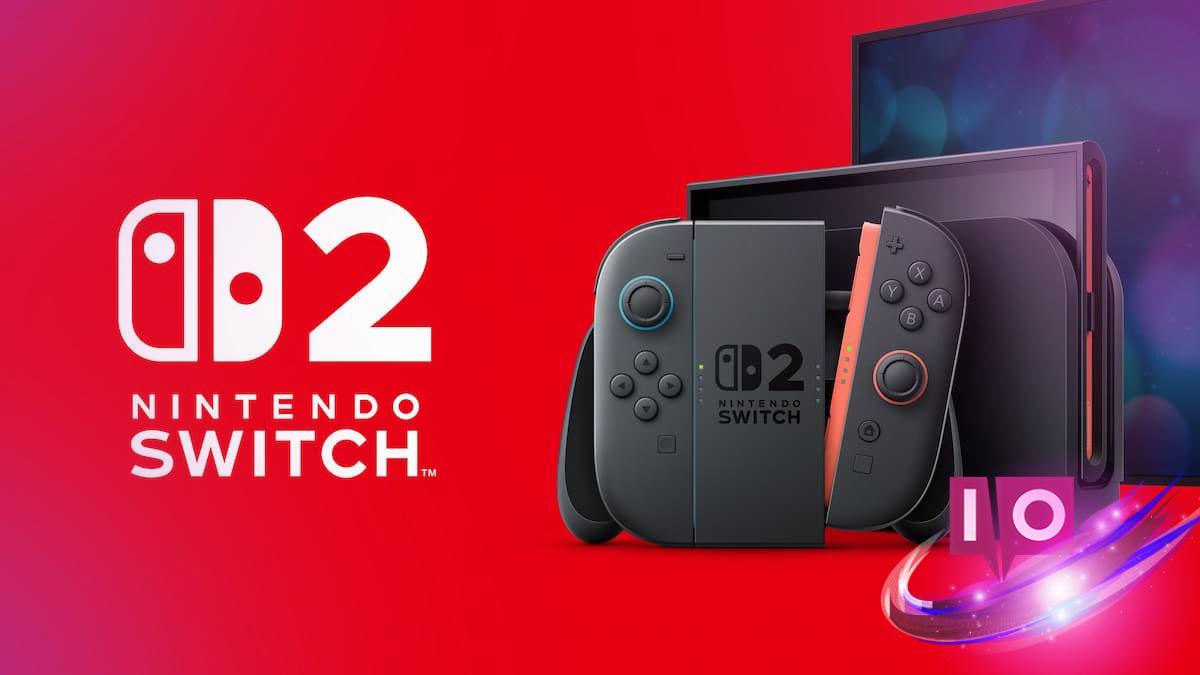
I watched the market feed blink red while a room full of suits tried to make $ signs look calm. You feel it immediately—investors whispering about margins, not stories. I told you then: a price change for the Switch 2 isn’t just plausible, it’s pressure taking shape.
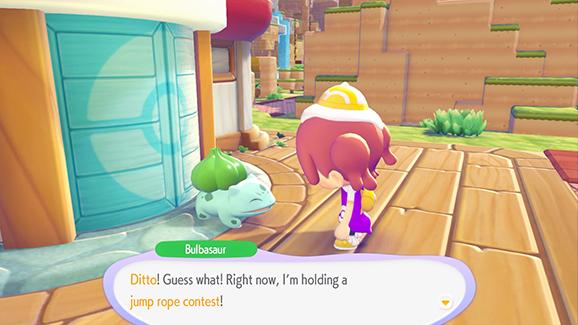
Retail floors are quiet in late afternoons. I see empty demo stations, but two blockbuster launches still draw attention.
Nintendo’s consumer-facing wins—Pokémon Pokopia, Donkey Kong Bananza and other marquee titles—make for a neat storefront story. Behind the scenes, the balance sheet reads differently: Bloomberg reporters Takashi Mochizuki and Alice French say shareholders are pushing for higher Switch 2 pricing after six straight months of falling stock. That streak is Nintendo’s worst since 2016, and investors are not the kind to wait politely.
Will Nintendo raise the price of Switch 2?
Short answer: it’s on the table. Bloomberg reports that the $450 (≈€415) asking price for the Switch 2 looks “deeply unprofitable” to some investors. Component scarcity—memory contractors being scooped up by US tech giants—plus higher freight costs tied to the Middle East conflict and pricier plastics have squeezed margins. Sony’s recent PS5 price hikes have given shareholders a reference point, and pressure in Tokyo boardrooms can be persuasive.
Warehouse manifests stack beneath cranes. The supply chain is tightening in ways you can count on an invoice.
Memory chips and logistics are not glamorous, but they move value. When big cloud and AI players buy up DRAM and flash, consoles feel the squeeze. That’s a real-world cost that can turn a launch loss into a financial headache. Japanese peers—Capcom, Koei Tecmo, and even Sony—are reporting similar strain, which feeds investor anxiety about margins across the industry.
How much could a Switch 2 price increase be?
The Bloomberg piece suggests a $50 (≈€46) bump in the US is plausible ahead of Nintendo’s quarterly results on Friday. A $50 raise may help blunt losses, but it also risks cooling demand at a delicate moment: the Switch 2 is about to hit its first birthday, and its 2026 release schedule beyond Splatoon Raiders in July is light.
Forums spike at midnight when release dates drop. Fans refresh threads and spreadsheets with hope.
That fan energy is both currency and leverage. You, a player or a watcher, feel the trade-off: higher system cost means some households delay, and entertainment budgets are often the first to shrink. Analyst Michael Pachter put it bluntly: “I think they would be foolish to raise prices.” His point lands—consumer wallets are thin, and a price increase risks alienating the audience that built Nintendo’s momentum.
The choice facing Nintendo reads like two competing chores: placate impatient shareholders demanding margin relief, or protect unit growth and goodwill among players. The boardroom felt like a pressure cooker the week the Bloomberg story broke, with analysts, supply partners and PR teams all shouting different fixes.
I advise watching three things this week: the earnings call tone, comments from Nintendo’s finance team about component costs, and whether Sony’s pricing gives investors a permanent precedent. If you track markets, check Bloomberg, PlayStation announcements, and reporting from outlets that follow Japanese equities closely.
In your view, should Nintendo follow Sony’s lead and raise the Switch 2 price to satisfy shareholders, or preserve affordability and risk continued margin pain?