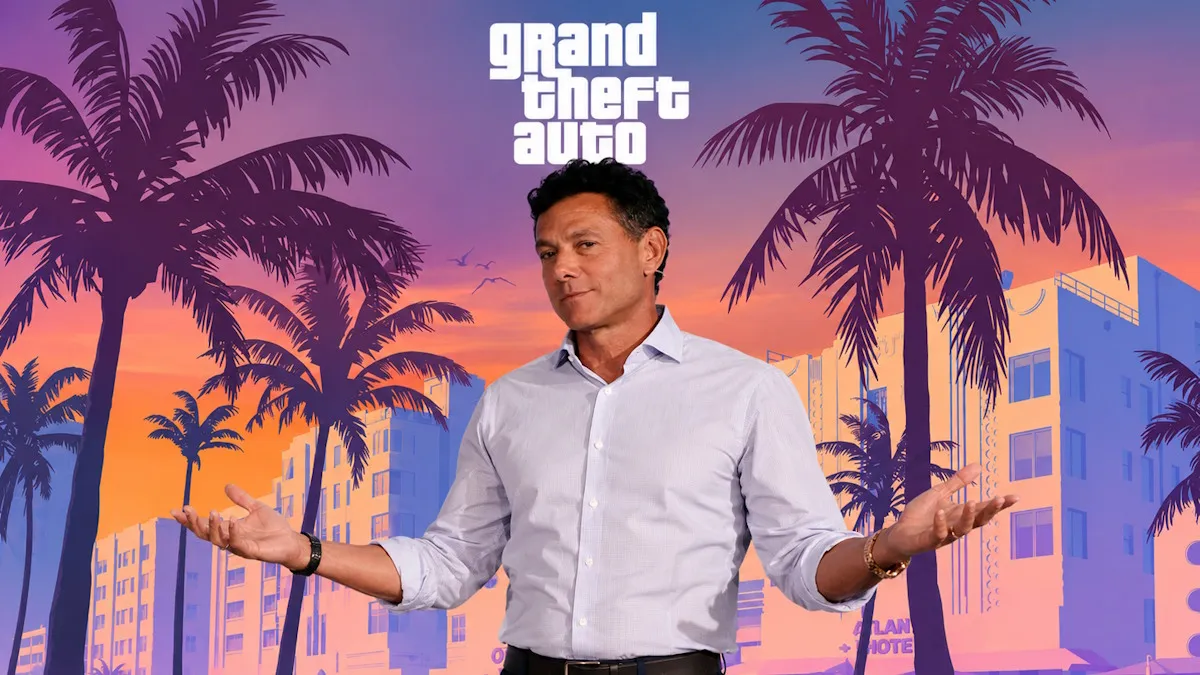
The Slack threads were quiet, but the rumor mill wasn’t. I called sources, scrolled through forum threads, and watched Strauss Zelnick go on record. You can feel the stakes: one quote can calm a workforce or ignite another avalanche.
I’ll be blunt: I don’t accept a press release at face value, and you shouldn’t either. So when Zelnick told Business Insider that “so-called crunch… isn’t part of how Take-Two operates today,” I read every sentence twice. He didn’t just push back — he offered a management philosophy: You do your homework, you don’t pull an all-nighter.

At the Business Insider sit-down, Zelnick framed the delay as intentional
The observation: he singled out planning and refused to normalize overtime. That’s not marketing spin — it’s a policy argument from the CEO of Take-Two. He positioned the November 19 release date as a safety valve rather than a missed milestone.
You’ve seen this argument before: companies hedge a launch to polish features, fix bugs, or dodge bad headlines. Zelnick pushed a narrative that developer health matters more than an aggressive calendar. He said delaying a launch is sometimes necessary because forcing extra hours is a legacy practice the company rejects.
Is Rockstar forcing crunch for GTA 6?
Short answer: Zelnick says no. I asked around, and some devs near Rockstar declined on-the-record comments — that’s not unusual — but the public posture from Take-Two is clear: they want to avoid the overtime spectacle that haunted past cycles. Whether the internal reality matches the message is still a story you and I should watch.
At industry scale, there’s enormous financial pressure on any blockbuster
The observation: blockbuster launches can generate a billion dollars in a week. Analysts expect a major franchise like GTA to push huge revenue — it could top $1 billion (≈€930 million) in an opening window. That kind of money bends incentives toward deadlines and crunch in less scrupulous places.
That’s why Zelnick’s stance matters. Take-Two is signaling that it will trade short-term speed for long-term capacity. If you’ve followed Rockstar’s past headlines, this feels like damage control and cultural pruning at once. The public denial works as a shield for HR and a message to PlayStation, Xbox, Steam and Epic partners that timelines are stable.
When will GTA 6 be released?
November 19 is the date on the corporate calendar. Zelnick framed the delay as a deliberate choice, not a scramble. From a product standpoint, that buys extra QA cycles on Rockstar’s RAGE engine builds and more coordinated rollouts across PlayStation, Xbox Series X/S, and PC storefronts.
At management level, the language you hear is designed to calm investors and staff
The observation: CEOs don’t speak in absolutes unless they want to set expectations. Zelnick’s “do your homework” line is meant to change the conversation from heroic overtime to disciplined planning.
I’ll say this plainly: PR and policy often travel in the same car. Saying “we don’t do crunch” is a necessary first step, but culture change is done day by day, not tweet by tweet. The debate over developer hours has been like a pressure cooker that occasionally hisses — words can release steam, but practices must follow.
Why did Take-Two delay GTA 6?
Because, according to leadership, it prevents burnout and protects quality. You can interpret that as ethical leadership or conservative scheduling; both readings carry weight. Behind the scenes it also buys time to align live-service plans for GTA Online, coordinate platform certifications, and stage marketing across Twitch, YouTube, and traditional channels.
I’m with you on skepticism: a CEO’s quote doesn’t settle every rumor. Yet the messaging matters — and Zelnick has framed Take-Two’s posture as one of planning over panic. If you were hiring or reporting on a studio, what evidence would convince you that the message matches reality?