
I was on a game forum when the alert popped up: Nintendo had raised the Switch 2 price by $50 (€46). I watched threads split between resignation and anger. You could feel the moment where a wish list becomes a budget decision.
I’m Shuntaro Furukawa’s apology in plain sight: Nintendo admits the hike hurts, then promises to answer that hurt with a stronger slate of games. You should hear that as a promise and a warning—I’ll tell you what it really means for your wallet and your living room.
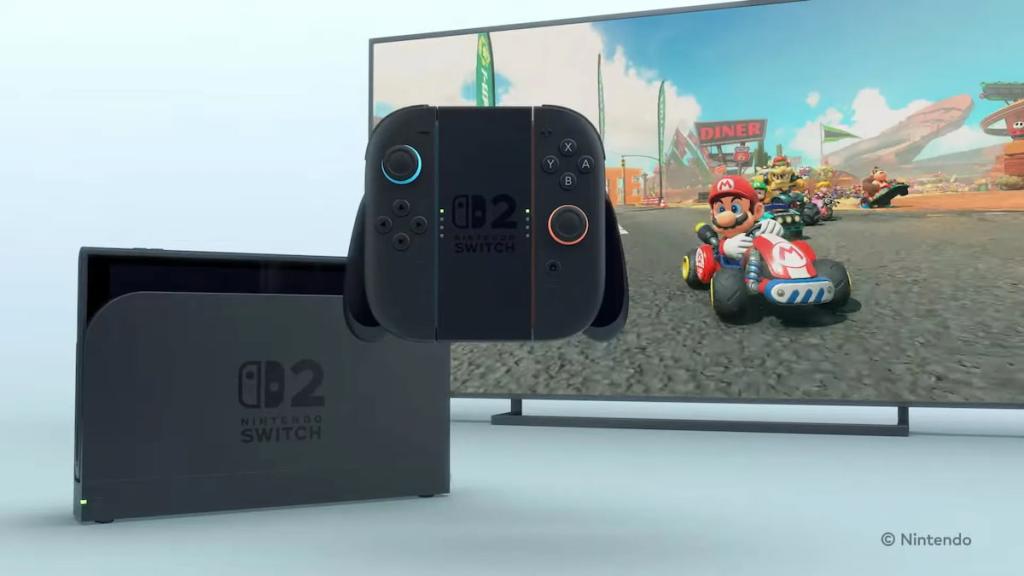
On store shelves, Switch 2 boxes now carry a brighter price tag.
Furukawa told reporters the US price rose by $50 (€46) and that other regions saw similar adjustments. He offered a direct apology—”We sincerely apologize to our customers for the considerable inconvenience and trouble this will cause”—and blamed rising production costs. That line came from a Nintendo Everything write-up, and Moyens I/O’s coverage has been echoing the same tone: apology plus promise.
Why did Nintendo raise the Switch 2 price?
The short answer: components cost more. Memory, display panels, and the GPUs that keep consoles smooth are being diverted to AI data centers and high-demand cloud builds. I’ve watched supply lines tighten for months; parts that used to be plentiful are being siphoned off for server farms. The $50 bump is, by Furukawa’s own admission, not a full accounting of those increases—more like a buffer.
At the retail counter, the Sony example still lingers.
Sony raised PlayStation 5 prices earlier, and analysts reported nearly a 50 percent dip in buyers afterward. That real-world shift is already a signal to Nintendo: higher price equals more buyer hesitation. You’ve felt that hesitation in your own cart decisions.
Will the price hike affect Switch 2 sales?
Yes—likely. Nintendo forecasts lower Switch 2 units this coming year compared with 2025’s “unprecedented” demand. A price increase acts like a handbrake on impulse buys; it tightens the funnel between interest and purchase. Companies will hope flagship games pull customers across that gap, but the risk is real: fewer people buy at launch, and fewer players means thinner word-of-mouth at the moment a new title drops.
In meeting rooms, executives are promising better software to change the calculus.
Nintendo’s public playbook now reads: raise price, apologize, deliver a stronger release schedule. Furukawa explicitly said Nintendo will lean into software to make the new price “worth it”—a pledge that aims to shift the decision from a pure purchase to an experience calculation.
What games will make the Switch 2 worth it?
Look for first-party franchises and tighter third-party support. Nintendo’s internal teams—think Nintendo EPD—and partners like Ubisoft and Capcom still matter. If Nintendo staggers major releases across several quarters, that can smooth sales and reduce buyer regret. You should watch release calendars on Nintendo’s site, follow coverage from Nintendo Everything, and track impressions from creators on YouTube and Twitch; those platforms will be the quickest signal of whether this strategy is working.
There’s a larger force at play: AI demand is pulling memory and GPUs away from consumer electronics, and that pressure may last years. Phones, TVs, GPUs for PCs—prices will wobble as manufacturers prioritize what gets built first. In that sense, the market feels like a sponge, soaking up parts faster than factories can respond.
I can’t tell you whether Nintendo’s promise will fully cover the sting of a pricier console, but I can tell you how to read the next twelve months: watch software cadence, monitor third-party commitments, and track early sales data. Will a slate of strong games be enough to turn frustration into excitement?