
Steam chat lit up. Screenshots of a contract that felt off were pasted everywhere. You could almost hear the collective intake of breath.
I follow these things for a living, and I’ll tell you what I saw: players furious, press circling, and a developer saying they won’t punish anyone for following the game’s basic social life. You deserve clarity, not legal theater.
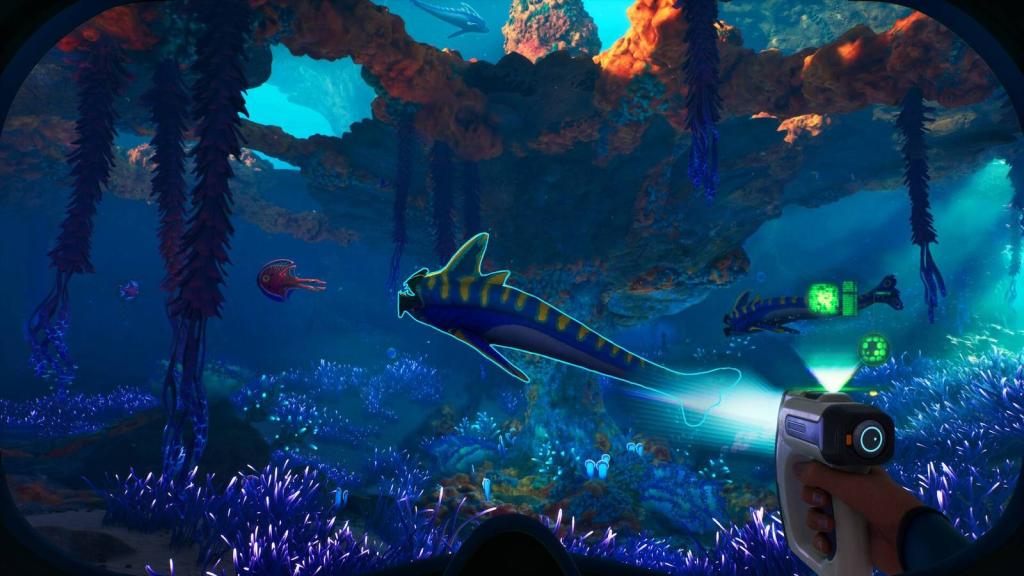
On day one Discord and forums exploded — the EULA read like a legal straitjacket.
I went through the agreement line by line so you don’t have to. It’s full of clauses that will make any content creator, streamer, or modder pause: you’re licensed, not an owner; Krafton can alter terms or yank the license without advance notice; and arbitration in California replaces your right to a jury.
Rock Paper Shotgun flagged a ban on VPNs—no “IP proxying or other methods to disguise the location of your use or device”—and PC Gamer highlighted a clause that forbids harming the reputation of the “documentation,” which would technically reach negative coverage. There’s also a demand that any video, stream, or clip carrying game footage include a visible notice stating the work is governed by the EULA and not affiliated with Krafton. Break those rules and you risk losing your license. Even running the game on a second machine without paying again may violate the agreement.
Is Subnautica 2’s EULA enforceable?
Short answer: it depends on where you live. Many clauses—forced arbitration, forum selection, broad IP grabs—can be enforceable in the U.S., especially if the platform (Steam) and publisher (Krafton) build the wording carefully. In Europe and several other jurisdictions, consumer-protection rules often trim back the worst excesses.
I’m not giving legal advice, but practical reality matters: courts routinely push back on terms that are unconscionable or hidden. Still, the presence of an aggressive EULA raises the immediate risk of chilling community activity until language changes.
On the other side, the developers posted on Discord — Unknown Worlds said they won’t take action against players.
You need to know who’s who. Unknown Worlds, the studio behind Subnautica 2, told the community they will “obviously never take any action against any player” for playing, streaming, or sharing on platforms like Twitch and YouTube, and confirmed Proton/Linux compatibility and Steam Deck verification. They also said a team member is actively reviewing the EULA wording.
The messaging is reassuring, but it also exposes the split between studio intent and publisher control: Krafton is the publisher here, and publishers often draft the legal docs. That mismatch is why headlines ran wild and why streamers initially panicked.
Can Krafton revoke my license or ban me for streaming?
Technically, the EULA’s language could allow revocation. Practically, the studio’s public promise and platform norms make enforcement unlikely for typical creators. Platforms like Steam and services like Twitch and YouTube all have their own policies, which usually protect normal streaming behavior—but the specter of an overbroad clause is enough to push creators to screenshot and archive communications until the wording is fixed.
On social channels you could see the community reacting like a pressure cooker — mods, monetization and press all had questions.
Here’s what I recommend you do right now: take screenshots of the current EULA and public dev statements, avoid monetizing mods that explicitly use the game’s assets for profit, and keep streaming and sharing as normal while keeping receipts. If you rely on Proton or Steam Deck, Unknown Worlds explicitly named those as supported. If you use a VPN for privacy, be cautious but also aware many VPN bans are more about regional licensing than punishing players.
Reporters are already testing the language—PC Gamer ran a story noting that even coverage could technically violate the “reputation” clause—and that’s why the developer response matters. You should treat the Discord post as a de-escalation, not an ironclad legal shield.
I’ve followed disputes like this before; they tend to resolve one of two ways: the publisher edits the terms after a media storm, or the community forces a meaningful discussion about what players actually own. The faster the fix, the less long-term damage to goodwill and to the game’s mod scene.
So where does that leave you, the player or creator? Keep doing what you do—stream, clip, mod within noncommercial limits—and keep screenshots of any worrying language. Watch the EULA for updates and the developer channels for confirmation that the wording has changed to match their promises. Do you trust publishers to fix this without public pressure, or will this become another moment where the industry is forced to answer for its contracts?