
The moment the Warhorse post hit X, my timeline snapped into two. Threads filled with hope, skepticism, and the kind of quiet fury you only see when fans fear something sacred might be mishandled. For a few hours, everyone I know was arguing about perspective and fidelity like it was a theological debate.
Warhorse Studios Confirms It’s Making a Lord of the Rings RPG and a New KCD Game
My feed filled with screenshots, fan art, and a single official X post that started the rush.
I’ve followed Warhorse since the first Kingdom Come buzz, and I want you to understand what this announcement actually means. Warhorse posted, “You might have heard the rumors; it’s time to reveal what we are working on,” and then named two projects: an open-world Lord of the Rings RPG and a new Kingdom Come entry. The post itself was a thunderclap across feeds — short, deliberate, and heavy with implications.
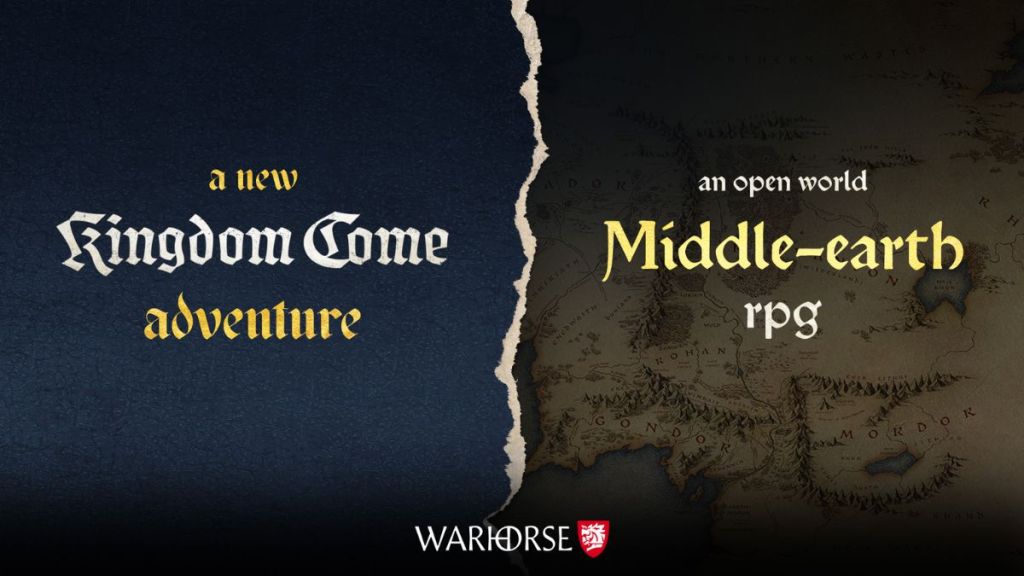
Two short facts anchor the moment: Warhorse arrives fresh off Kingdom Come Deliverance 2’s mixed-but-notable success, and Embracer Group has been on the books as a major backer for years. Combine institutional capital, an established RPG team, and an IP as heavy as Tolkien’s — and you get attention that looks like pressure.
Will Warhorse’s Lord of the Rings RPG be open-world?
Yes — Warhorse explicitly described the LOTR project as an open-world RPG in their post. That phrasing matters: open-world here promises exploration, emergent systems, and the sandbox expectations set by modern titles on Steam, Xbox, and PlayStation. But “open-world” is a promise and a trap; it can mean sprawling terrain or a focused, meaningful landscape populated with living systems. Given Warhorse’s track record for simulation and detail, I’d bet on the latter.
Fan Reaction and Why the Wording Matters
On Reddit and Discord you can see the split as plainly as a fresh scar.
Fans responded like a chorus with different refrains: reverence for Tolkien, fear after missteps like the Gollum release, and excitement about KCD-level immersion. Quotes circulated — some begging for patient fidelity, others demanding changes to camera perspective or combat. Note the studio’s careful phrase: “a new Kingdom Come adventure” rather than “Kingdom Come Deliverance 3.” That grammar choice is a signal. It suggests a new protagonist, a different corner of medieval Bohemia, or even a change in scale and tone.
Community expectations function like a warranty: players expect realism from Warhorse — not spectacle for spectacle’s sake. KCD2 left a measurable footprint in RPG design; fans now expect anything bearing the Warhorse name to be measured and exact. KCD’s immersion is a finely tempered blade, and players will test its edge.
Is the new Kingdom Come game a sequel to Kingdom Come Deliverance?
No official subtitle was given. Calling it “a new Kingdom Come adventure” opens a few doors: a true sequel, a side story, or a thematic successor that keeps the series’ DNA without continuing Henry’s arc. That ambiguity is smart PR — it preserves player hope while keeping design freedom.
What comes next: platforms, timelines, and the SGF spotlight
Summer Game Fest 2026 is circled on many calendars as a likely stage for more details.
Warhorse revealed nothing beyond the announcement: no platforms, no release window, no cinematic trailer. Practically speaking, expect a slow burn. Embracer’s involvement suggests a multi-platform release and the possibility of partnering with services like Xbox Game Pass. Publishers often use events — Gamescom, The Game Awards, and Summer Game Fest — to toss out trailers and gameplay windows. If Warhorse plays the long game, we’ll see phased reveals: tech deep-dives for press, gameplay slices on Steam, and polish showcases for consoles.
When will the Warhorse games release?
There’s no date. Given typical AAA timelines and the scale implied by an open-world LOTR title, a conservative estimate would be several years. If the studio follows KCD2’s multi-year cycle plus the work needed to integrate Tolkien’s lore and licensing, think measured development rather than a rush to market.
I’m watching tools and platforms closely: SteamDB hints, Embracer investor calls, and the Warhorse X account are all needles that will move this story. Developers like CD Projekt and Bethesda have set expectations for narrative-driven open-world RPGs; Warhorse will be compared to those studios as much as to its own past.
So what should you feel right now? Hope, guarded optimism, and a little impatience — the exact emotional cocktail that turns announcements into movements. If Warhorse honours Tolkien’s tone and keeps the simulation core that made KCD2 notable, this could be one of the rare adaptations that satisfies both lore-keepers and players. If they chase imitators, the backlash will be loud and lasting.
Which side will Warhorse choose: a careful steward of Tolkien’s work or a studio chasing the checklist of modern blockbusters?