
I opened the release calendar on Tuesday and felt a small jolt—every major date had shifted. You probably saw the same thread: studios trading November for earlier slots with the urgency of people clearing a room. I sat back and realized publishers were running from Rockstar in plain sight.
I’ve covered launch calendars for years, and I’ve never seen this level of tactical retreat. You can blame Reddit threads, PlayStation State of Play timing, or the simple math: GTA 6 will be massive. If Rockstar’s budget—rumored to push past $1 billion (≈€920M) when you factor production and marketing—is accurate, other publishers face a social-media blackout every November.
At Sony’s State of Play the month labels suddenly mattered more than trailers
That was my first concrete sign that a shift was happening. Developers don’t want to spend two years on a marketing plan only to compete with Rockstar’s cultural gravity.
So instead of scattering launches across fall and winter, many teams did the math and moved dates into September. The result is a stacked schedule where release after release arrives with barely any breathing room, and that tight clustering forces players—and reviewers—to triage what gets attention.
Why are publishers avoiding November for game launches?
Because one game can dominate headlines, feeds, and influencer slots for weeks. YouTube, Twitch, X, IGN, and Moyens I/O will naturally orbit Rockstar during a big launch, shrinking the visibility window for everyone else. Studios would rather fight in a crowded, short tournament than get steamrolled in a month-long debate over one title.
On my calendar, September looks less like a season and more like a sprint
The labels are red, then redder; I counted at least half a dozen AAA entries clustered there after Tuesday’s announcements. That’s not coincidence—that’s strategy.
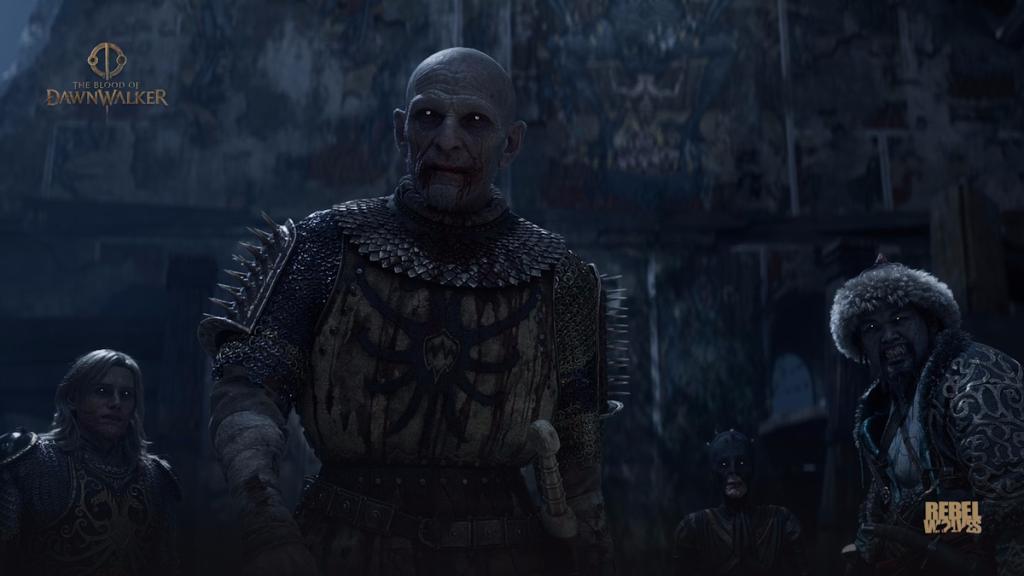
For players it reads as an embarrassment of riches: Marvel’s Wolverine, The Blood of Dawnwalker, Warhammer 40,000: Dawn of War IV, Onimusha, Silent Hill Townfall—each promising very different experiences. For publishers it’s a calculated risk: you trade a quiet November for a crowded September where you still stand a chance of trending.
September has become a tidal wave of releases, and you’ll either ride it or get pushed under.
Will moving games to September hurt their sales?
Short answer: maybe, but context matters. If a studio times marketing with major platform events—PlayStation showcase spots, Xbox partner promotions, Steam front-page pushes, or strategic Epic Store windows—they can claw attention back. Game Pass deals or timed exclusives shift calculus too; Microsoft and Sony both use platform muscle to tilt discovery, and that can make a September release viable.
At the dev studio I spoke with, delays are still on the table
A producer admitted over coffee that internal roadmaps flipped three times in a month. That little confession told me more than any press release.
Many teams still delay when necessary—quality matters more than a calendar win—but the public-facing pattern is clear: avoid November. If you can’t outshout Rockstar in one month, you try to outlast them by placing voices in every other week of the year.
In my inbox, February now looks busier than it did six months ago
Several publishers told me they pushed into early ‘27 instead of November. That’s where the long-term effects show.
We could be entering a new release cadence where two months carry disproportionate weight: September as the compressed showcase and February as the redistributed spillover. Expect PR cycles, influencer tours, and platform storefront placements to get nastier—competition will migrate into those pockets.
At the consumer level, your backlog will become a ledger
Friends texted me their budgets and wish lists after the State of Play; wallets are already groaning. That personal note was a small, sharp data point.
For players there’s joy and strain. You can binge through every genre in a feverish month if you have the time and money. Or you’ll ration purchases, waiting for sales. The crowded calendar turns the buying decision into a game of priority and patience—few things make a gamer feel more acute than a missed release they actually wanted.
The release calendar now looks like a crowded subway car; somebody’s going to lose their seat.
Which big titles moved to September 2025?
Based on publisher announcements and State of Play confirmations: Marvel’s Wolverine, The Blood of Dawnwalker (Rebel Wolves), Warhammer 40,000: Dawn of War IV, Onimusha, and Silent Hill Townfall are among the tentpoles choosing that month. Developers and PR teams named Sony’s showcase and platform visibility as major influences in the decision.
I don’t want to be alarmist. You should still expect delays, last-minute shuffles, and surprise windows—publishers can pivot. But the signal is loud: Rockstar’s GTA 6 capacity to dominate discourse has reshaped the calendar.
So when you scroll your feeds this fall, notice which studios play it safe and which gamble on crowding September; the winners will be the ones that manage discovery on Steam, Epic, PlayStation, Xbox, and within influencer ecosystems without getting swallowed. Are publishers trading long-term discovery for a short-term sprint that will leave the rest of the year quiet?