
I froze with my finger over the mouse when the new OD image loaded—hallway light, a doorway, a red silhouette that stopped the room cold. You feel it too, that sudden tightening in the throat that says a story just shifted into something dangerous. I want to walk you through what this single frame promises and why it matters.
Hideo Kojima’s next game, OD, surfaced again via an Entertainment Weekly spread that pushes the same photoreal nightmare tone he flirted with in the P.T. teaser years ago. The new image—grim, clinical, and quietly theatrical—reads like a cold note from a designer who has never stopped trying to terrify us.
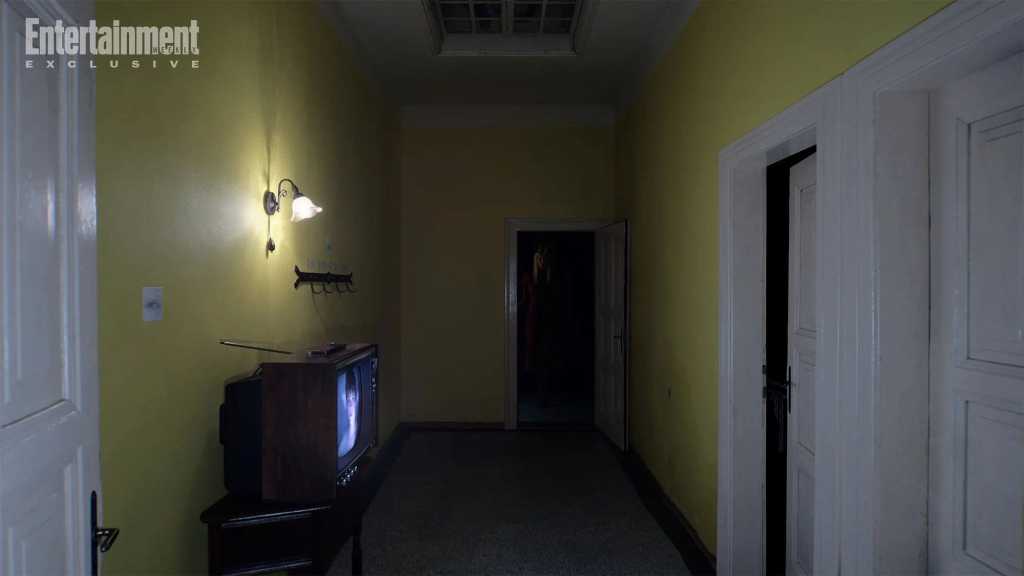
At my desk, the hallway made me sit up: why this screenshot matters
You already know Kojima’s résumé—Death Stranding, Metal Gear lineage, the P.T. tease that still haunts PlayStation lore. This frame does two things at once: it promises photorealism so precise the uncanny valley becomes an instrument, and it reactivates a fear loop built around ritual and the unseen.
Hunter Schafer appears to occupy the doorway, dressed in red with horned accents. That costume choice reads like a signal: cult iconography, deliberate discomfort, character as symbol. Sophia Lillis and Udo Kier are also listed in the cast, and Kojima Productions has Phil Spencer and Xbox as the project’s backers—those are not endorsements you shrug off when the pitch is “make single-player horror feel new.”
On the street, people whisper about P.T.: how OD channels that legacy
The moment you and I mention P.T., someone remembers the looped corridor and the sound that made hair rise. Kojima has said he wanted to “go beyond the limit of the ‘scariness’ other games reached,” and the new image feels like a blueprint for that promise.
We don’t have a full demo yet—only the teaser where Sophia Lillis lights candles amid oppressive echoes, then is seized by a red-clad figure with massive white hands. That sequence was more than scares; it was design language: repetition, subtle environmental storytelling, and a mystery that punishes premature answers.
Is OD going to be like P.T.?
Short answer: it’s borrowing tenor, not copying beats. The photoreal sheen, the ritual motifs, and Kojima’s appetite for player unease are clear carryovers. But he’s talking about a “new game system” in interviews with EW, which suggests mechanical twists—not a remake of the old formula.
I told a friend on a call, and she shivered: what the cast suggests
Hunter Schafer’s silhouette is chilling because she brings a specific presence—model, actor, cultural figure—with roles that lean toward the uncanny. If she’s the ritual leader or the antagonist, that casting choice is deliberate: Kojima crafts not just playable characters but cultural touchstones.
Pairing Schafer with Sophia Lillis (the candlelighter) and Udo Kier (a veteran of unsettling roles) reads like a movie director’s dream. Remember Kojima worked with Guillermo del Toro and Norman Reedus on the canceled Silent Hills / P.T. project—this is the closest we’ve felt to that vein since Konami pulled the plug.
Who is in the OD cast and what does that mean?
Hunter Schafer, Sophia Lillis, and Udo Kier are confirmed. What that means: Kojima is assembling actors who can sell ambiguity. Schafer gives a modern, icon-driven edge; Lillis has proven she can carry fragile dread; Kier brings seasoned menace. It’s a lineup that signals serious narrative ambition and crossover appeal—Xbox and Kojima courting both horror devotees and mainstream viewers.
Outside the press junket, Kojima’s pitch sounds odd: why he needed Xbox
Kojima told EW that multiple companies passed because they “didn’t understand” his concept. Phil Spencer and Xbox buying in matters: it gives him scale and the technical pipeline to push photorealism.
He’s also hinted at a player option to keep going when the horror becomes too much—game designers call that player agency; Kojima turned it into a plot device. If he ships a system that lets players dial fear without losing the narrative spine, that could change how single-player horror is made and marketed on consoles like Xbox Series X and platforms like YouTube for viral reveals.
There’s another, quieter layer: Kojima seems to be building texture by scanning real rooms and leaning into realism so the uncanny feels tactile. The strategy is part studio craft and part marketing—photoreal screenshots travel fast on social, draw headlines, and broaden mainstream curiosity.
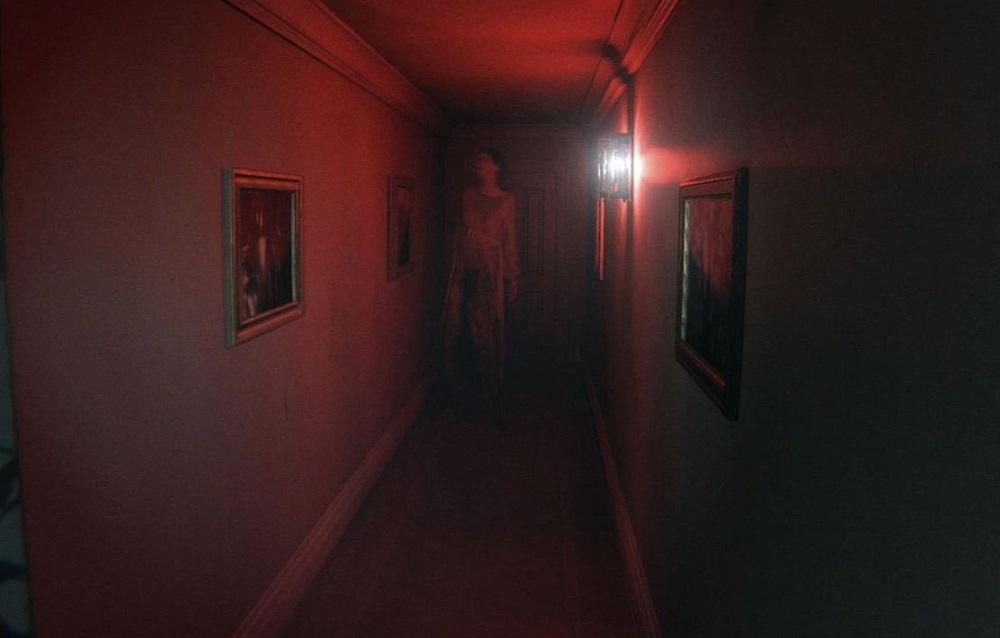
I won’t pretend we have the full story yet, but the image, the cast, and Kojima’s quotes form a curiosity loop: you see one clue and you want another. The frame lingers like a photograph turned poisonous; the hallway whispers like a knife behind the smile. So tell me—are you ready to let Kojima make your skin crawl for entertainment?