
I was standing in a fluorescent-lit aisle when the price tag changed and a friend mouthed, “They hiked it again.” You can feel the hit in your wallet—same product, steeper cost. I remember thinking: who’s going to fight for the extra cash you already paid?
At a GameStop shelf in June the Switch 2 carried a higher tag; Nintendo argues buyers don’t get retroactive refunds.
I’ll be blunt: you paid a price that matched the moment you bought. Nintendo’s motion to dismiss a class action says that the company isn’t required to hand back money simply because a court later found the tariffs illegal. The company points to ordinary commercial logic—retailers set prices, consumers agreed, transactions closed.
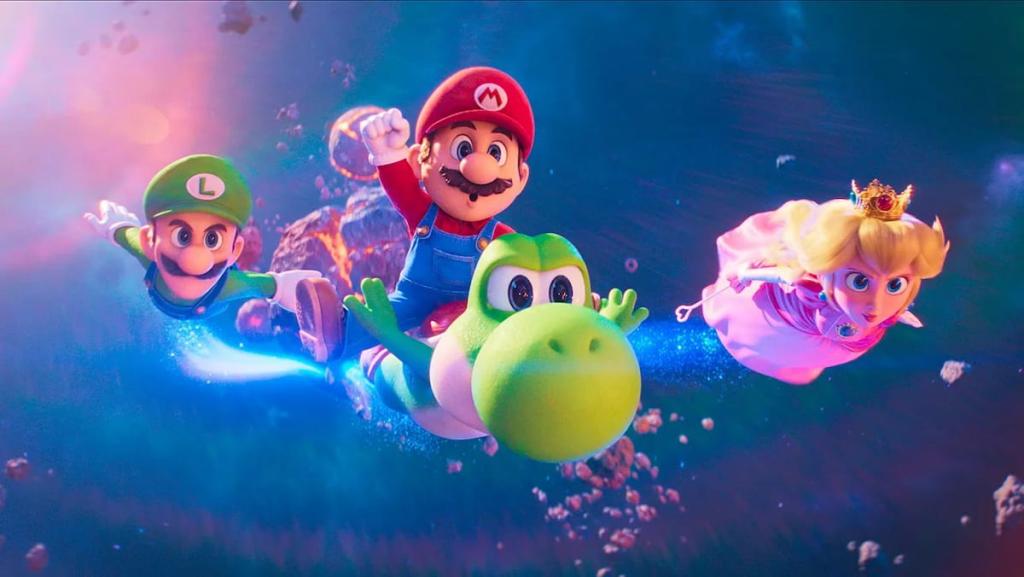
In a court filing Nintendo’s lawyers framed the issue as ordinary commerce; plaintiffs see something unfair.
You should know the timeline. Tariffs were applied last year, Nintendo and other console makers raised prices, and the US Supreme Court later ruled those tariffs illegal. Nintendo sued the US government to recover tariff costs earlier this year, and now two US-based gamers filed a class action aiming to recoup what they paid when the Switch 2 launched in June 2025.
Nintendo’s brief, reported by GameFile, says: “Plaintiffs are not entitled to a rebate simply because of intervening legal developments related to tariffs.” Their argument: completed sales delivered the promised product at a mutually agreed price.
Will Nintendo have to refund Switch 2 buyers?
Short answer: probably not without a major court ruling. The class-action claim hinges on whether a later legal finding about tariffs creates a retroactive right to money already exchanged. Nintendo insists refunds aren’t automatic; its legal team emphasizes selective pricing, absorbed costs on some items, and the ordinary finality of sales.
At a store checkout you felt the price jump; for many publishers that was just business reality.
I’ve covered PlayStation and Xbox price shifts, too. Sony and Microsoft raised prices over recent years for overlapping reasons: component shortages, currency swings, and yes, trade policy. Nintendo’s president Shuntaro Furukawa apologized for a May $50 (€46) increase introduced to offset climbing costs, saying the company could not forever shoulder rising expenses.
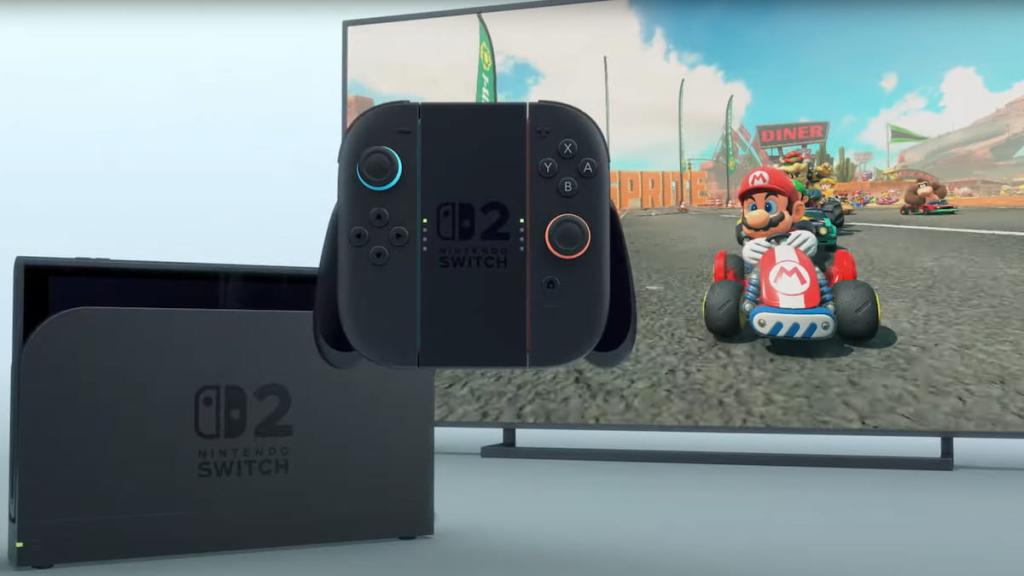
At a developer conference people asked about margins; the legal fight now tests corporate accounting choices.
Nintendo’s lawyers say it didn’t impose a blanket tariff surcharge tied directly to each product’s tariff bill. Instead, they claim modest, selective price adjustments and decisions to absorb costs for certain items—behavior they argue is within a company’s commercial discretion. You can see why courts must untangle corporate strategy from consumer harm.
Can consumers sue for tariff refunds?
Civil suits can be filed; class actions can gather momentum. But legal success depends on statutory remedies and whether courts recognize a private right to recover refunds when tariffs are later invalidated. The US Supreme Court’s decision that the tariffs were illegal is a necessary fact for Nintendo’s government suit, but it doesn’t automatically convert into a consumer rebate mandate.
On social feeds people gripe about price creep; the bigger question is who wears the tab for policy mistakes.
I’ve advised readers and followed cases where retailers, brands, and platforms such as Amazon and Best Buy adjusted listings without retroactive credit. This is not just gaming; it’s e-commerce mechanics. When trade policy changes, companies choose whether to absorb costs or pass them on. Nintendo says they absorbed some costs and selectively raised others.
This legal back-and-forth has become a chessboard of public money and private pricing. For you, that means a higher bill now and an uncertain chance at recovery later. Gamers will keep arguing that hobbies shouldn’t feel like luxury purchases, while corporations argue ordinary commercial finality.
How were gamers affected by the tariffs and price changes?
They paid more. That’s the blunt part. Beyond dollars there’s trust and expectation: you expect a sale to be closed and fair. Whether courts will treat post-sale legal outcomes as a basis for refunds remains open. You can track similar disputes in consumer suits against big retailers and platform policies on refunds.
I’m not telling you whom to root for. I am saying watch the filings, watch the Supreme Court echoes, and watch whether lawmakers or regulators—think FTC or Congressional hearings—step in to change the rules of the game. If companies like Nintendo, Sony, and Microsoft keep treating consumers as the shock absorbers for policy mistakes, what pressure will force a different outcome?