
I was alone in a dim hotel room, watching Capcom’s name climb on a live chart. My fingers hovered over the keyboard, remembering a demo that refused to leave my head. The numbers landed and everything I hoped for snapped into focus.
I reviewed Pragmata before launch, and I told myself then that if it clicked with players the way it did with me, Capcom would have a rare problem: too many good options for what to do next. You expect big companies to tighten around proven franchises; when one of their new bets breaks out, you learn who becomes brave. I want to walk you through what happened, why it matters, and why a sequel now feels not just possible but probable.
The Bloomberg alert flashed on my phone.
Capcom told Bloomberg that Pragmata has sold about 2.5 million copies. That number changed the conversation overnight: not a niche curiosity, not a footnote, but a headline that could shift internal priorities.
Will Pragmata get a sequel?
Capcom corporate officer Yoshikazu Shimauchi said the likelihood of a sequel is high. When an executive uses that phrase in public, it’s not a hint — it’s a directional nudge to teams and investors. I took it as a formal green light for roadmap conversations, staffing, and funding proposals.
This is the crucial difference between a one-off and a franchise candidate. Sales like this give Capcom runway to plan long-term support, merchandising, and cross-platform pushes — PlayStation, Xbox, and PC distribution strategies suddenly matter in a different way.
The demo left a scribbled map on my notepad.
For me, Pragmata delivered a mouse-and-keyboard loop I haven’t felt in years. Those movement patterns and tense encounters glued me to the screen; they also created shareable moments that marketing loves. Diana — the game’s face — became a character people sketched, memed, and posted, which fed pre-release momentum and kept curiosity high through launch week.
How many copies did Pragmata sell?
About 2.5 million units. For a new IP from a major publisher still riding the tailwinds of established hits like Resident Evil, Devil May Cry, and Monster Hunter, that’s a striking performance. It showed that strong pre-release messaging, an easily communicable mechanic, and an emotional mascot can combine into commercial success.
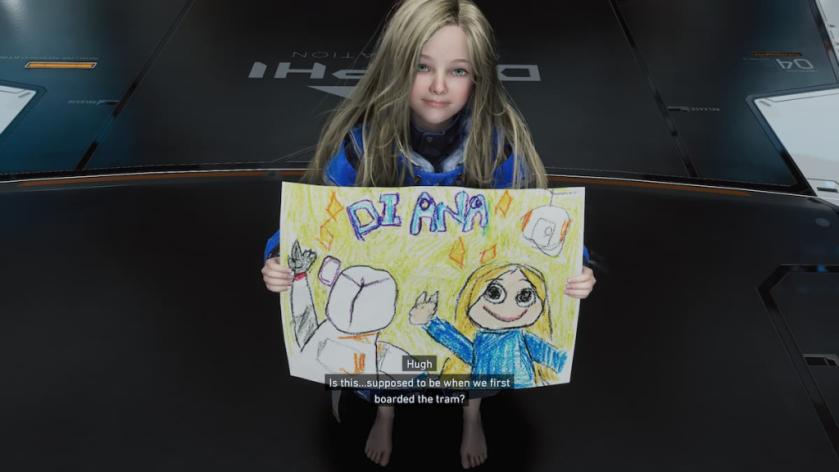
The marketing team kept posting Diana sketches across channels.
Capcom credited the game’s performance to gameplay, Diana’s appeal, and a strong pre-release campaign. I saw every element at work: developer interviews on YouTube, clips on Twitter/X, influencer streams on Twitch, and features in outlets like Bloomberg and Moyens I/O. The campaign turned a mechanical hook — the game’s mouse patterns — into emotionally shareable moments.
Why is Capcom confident in Pragmata?
Because momentum exceeded internal expectations. That phrasing matters: it means teams must now decide whether to funnel resources into sequels, DLC, or entirely new experiments. For you as a player, that decision translates into pace of updates, platform investment, and how quickly new ideas from studios reach your library on Steam or the PlayStation Store.
The company slide deck still features Resident Evil, loud and large.
Capcom has staples that reliably deliver revenue, but a big new-IPs success gives them optionality. If Capcom leans into more fresh IP, you may see studio budgets shift away from only iterating on long-running labels and toward funding smaller teams with bold ideas. For the market, this reduces the risk of creative stagnation inside a publisher known for repeatable hits.
I gave Pragmata a 9.5 when I reviewed it in April because it captured a rare combination of mechanical joy and emotional storytelling. That kind of craft is expensive to produce, but these sales prove players will reward the gamble.
Capcom’s move now will determine whether Pragmata becomes a pillar franchise or a high-water mark that inspires others. Seeing a publisher test new waters and succeed is a reminder that good ideas still cut through noise and that you, as a player, have power: your purchases steer studios more than interviews or hot takes ever will. Will Capcom follow the money and scale the game into a multi-title series, or will they keep experimenting and risk losing the brief window of attention?