
I was scrolling through USPTO updates when a tiny entry made my pulse skip: WWE filed to trademark Vice City. You probably blinked twice, because it reads like a stunt timed for the shadow of GTA 6. I want to walk you through what they actually filed, what that filing can do, and why you should care.
At the U.S. Patent and Trademark Office on Aug. 4, a fresh application for “Vice City” appeared — the filing reads narrow, but the ripple could be wide
I read trademark text for a living, and this one is slim on video-game claims. Kotaku reported the application was submitted Aug. 4 and targets sports entertainment and live broadcasts, not interactive software. You should know that narrow filings are a common legal play: they buy a foothold without shouting at the other players.
The filing references use tied to a WWE performer, Lola Vice, and mentions a planned film. That’s a neat-sounding justification. The paperwork, however, leaves room for broader interpretation — and that’s where legal fights begin.
Can WWE legally trademark “Vice City”?
Short answer: they can apply, but keeping it is another story. Trademark law favors distinctiveness and first use in commerce. Rockstar created Vice City as the name of its Miami analogue decades ago; prior use and consumer association weigh heavily in challenges. Expect Rockstar Games and Take-Two Interactive to examine the claim closely.
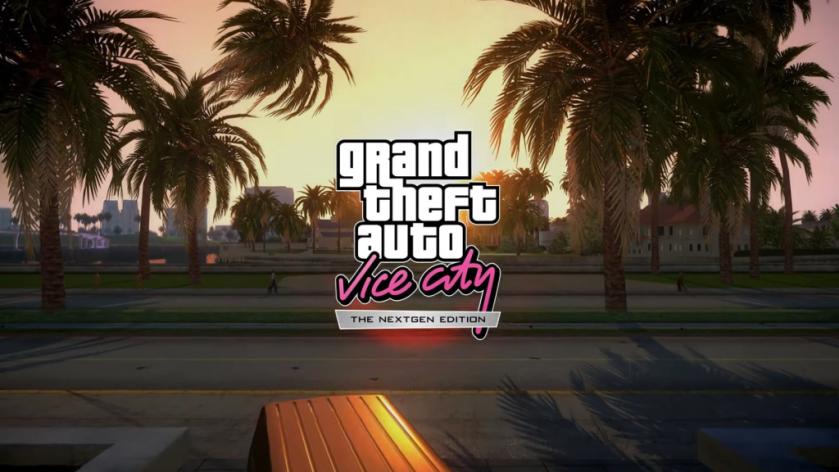
On city streets and in game menus, “Vice City” has decades of track record — history matters more than clever paperwork
You know Miami Vice; you know the neon sunsets in Rockstar’s map. Vice City entered the public mind as a Grand Theft Auto locale long before this filing. That public association gives Rockstar a strong storytelling advantage in any dispute.
If WWE leans on Lola Vice and a film as the reason for the mark, the USPTO will look at consumer expectation: would the average fan reasonably think WWE was behind the city name, or Rockstar? Evidence matters — ads, merchandise, game references across thirty years, and trademark registries will all be weighed.
Will WWE’s trademark stop GTA 6 or Rockstar from using Vice City?
Probably not in practical terms. Kotaku notes WWE excluded video games from the filing. Even if WWE later widened the claim, Take-Two’s legal team — with Rockstar and 2K in the family — has resources and precedent to contest. This is a heavyweight skirmish, not a knockout punch.
In dressing rooms and courtrooms, parties will posture — and I’m watching which plays they’ll make
I follow industry dynamics, and the next six months are where signals matter. WWE promises no gaming claims; promises in PR are cheap. Legal filings are binding in process, and companies often test waters before staking full positions.
WWE has commercial relationships with 2K and sits inside the same Take-Two corporate orbit as Rockstar. That corporate proximity makes the maneuver feel strategic: a legal probe, a bargaining chip, or a publicity engine. The filing is a chess queen sweeping across a board — a single bold move that forces other pieces to react.
Rockstar should file an opposition if it believes consumer confusion exists. Success hinges on historical use, prior registrations, and how convincingly Rockstar can show public association with the name. Expect filings, oppositions, and press releases — and an argument that trademarking a phrase already synonymous with another brand is improper.
Why file now, just before GTA 6?
Timing matters. A trademark filed in the lead-up to a major release draws attention and leverage. WWE could be hedging a payday around a wrestler’s media projects, testing partnership angles, or simply creating noise. You should assume this is deliberate theater until proven otherwise.
There are immediate practical takeaways: watch the USPTO docket, follow Rockstar’s public statements, and track whether WWE expands the goods or services listed. Legal fights over names are about perception and paperwork, not always about who came up with the idea first.
WWE’s paper says one thing; the market and the courts will say another. The filing might fade into a negotiated co-existence, spark a lengthy opposition, or become PR fodder for both sides — but who actually owns the phrase in the public mind will decide much of the outcome; which side will that be?