
They posted the apology under pressure, fingers trembling, while someone in the next room read a summons aloud. I watched their Discord fill with stunned silence as the message landed. You could feel the air change—cheaters who had been bold suddenly sounding small.
I’ve followed these takedowns before, and I’ll tell you straight: Activision doesn’t only code counters, it leverages courts. When RICOCHET’s legal team started knocking on doors, one of the developers behind cheats like Zenith and Devware posted a public apology on X that read like a plea to avoid worse consequences.
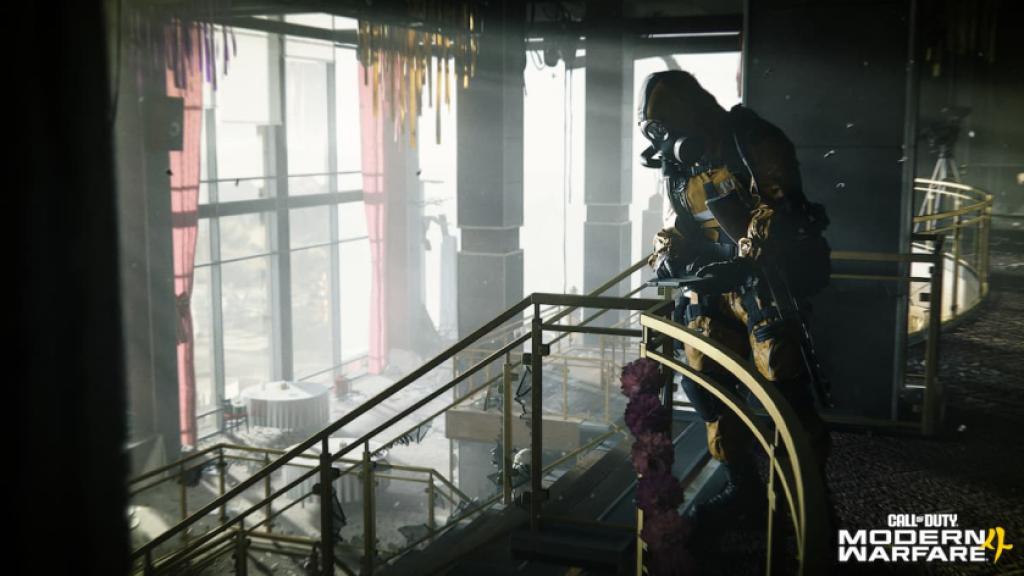
At 9 a.m., a Discord channel went quiet — then an apology appeared.
The statement read, “I’m deeply sorry… I helped create and sell cheats that damaged the game and unfairly impacted honest players.” It was short, legal-safe, and probably written with counsel looking on. You can imagine the lawyer, steepling fingers, telling their client which lines to admit and which to avoid.
Activision framed the moment as a win for RICOCHET: they’re not just patching code; they’re pressing charges, serving papers, and dismantling the business model behind these hacks. For players who want fair matches, that law-and-order posture feels like relief. For cheat-makers, it feels like a choice between code updates and court dates — and the court dates can cost you. Legal bills of $50,000 (€46,000) or more are a realistic threat, while potential fines could reach $100,000 (€92,000) depending on the case.
On the beta weekend, players reported weirdly timed kills and bans — a clear sign something was happening in the wild.
Activision says the Modern Warfare 4 beta gave Team RICOCHET “valuable real-world data.” That’s a polite way of saying the company learned how cheats try to game their systems and then adjusted. You and I both know that detection is an arms race: cheats adapt fast, anti-cheat teams respond, and both sides keep evolving.
In one public note, Activision admitted they discovered an “unintended interaction between detection systems,” fixed affected accounts, and carried the lessons forward. That kind of candor matters: it signals competence and gives honest players a reason to keep playing. It also signals to cheat sellers that their business model is riskier than it looks — law and engineering working together can be like a hunter trailing a wounded stag.
How did Activision catch the cheat maker?
Short answer: a mix of telemetry, undercover buys, and old-fashioned legal pressure. RICOCHET gathers data from matches, correlates suspicious patterns, and then follows the money and distribution paths. Platforms like Discord and marketplaces where tools were distributed became evidence trails. When Activision pairs technical detections with civil action, the targets often choose to plead out, delete operations, or publicly apologize.
A user posted a clip of a suspicious kill — and the community flagged it within minutes.
That crowd policing is part of the picture. You can file a report through Activision’s support channels, post evidence on X, and paste links into RICOCHET’s public reporting forms. Those signals feed detection algorithms and human investigators. Platforms such as Discord, X, and payment processors become levers investigators pull to trace distribution.
What penalties do cheat developers face?
Beyond account bans and IP bans, developers face business disruption, seizure of infrastructure, and legal costs. Civil suits can demand damages and force permanent shutdowns. When a developer folds under pressure, the public apology often follows — a gesture designed to limit further monetary or criminal exposure. For some, the choice is to pay tens of thousands in legal fees or to stop selling entirely.
There’s one last truth: enforcement tilts the calculus. Activision’s mix of RICOCHET tech and lawyers is not a magic bullet, but it is a legal sledgehammer that raises the price of doing this business. Cheaters may still exist when MW4 launches on Oct. 23, but they’ll be choosing between fleeting advantage and prolonged legal pain.
So what will the community do now that the cost of cheating is rising: applaud the takedowns, or worry that a handful of apologies won’t stop the next wave of hacks?