
I fired up Destiny 2 three months after its final patch and felt a strange mix of nostalgia and surprise. The servers answered like an old friend still awake at odd hours. You expect silence after an ending—what I found instead was steady company.
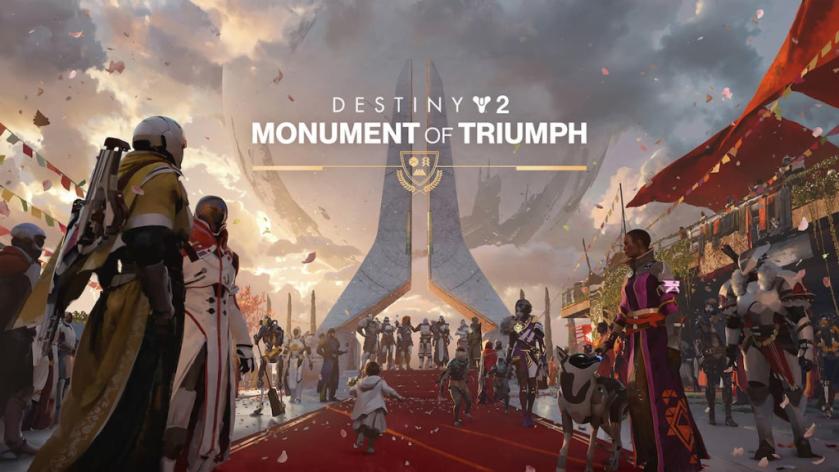
I checked SteamDB at 3pm. Destiny 2 still draws nearly 20,000 players.
I’m not quoting a press release—this is raw tracking: SteamDB shows 14,883 players in-game right now and a peak of 19,410 within the last day. Weekly peaks between 19,000 and 22,000 have become routine. If you treat those numbers like a heartbeat, the pulse is steady, not flatline.
How many players does Destiny 2 have now?
Short answer: a few tens of thousands at any given time on Steam alone. Even three months after Bungie and Sony shipped the Moment of Triumph update and announced no future content, Destiny 2 kept pulling a consistent audience. At the final-update event the game cracked 167,000 concurrent players—proof that the audience didn’t vanish when new seasons stopped rolling.
I scrolled through Marathon’s Steam page during a lunch break. It’s a quieter scene.
Marathon, a title Bungie and Sony pushed as a fresh shooter with seasonal support, rarely tops 3,000 concurrent players on Steam. That’s a fraction of Destiny 2’s post-update counts. Marathon launched with a spike—around 88,000 at release—but the sustained numbers never matched the publisher’s investment.
Why did Bungie stop making Destiny 2 content?
You can read the official line and the business filings, but the simplest reading is this: Bungie and Sony chose to stop adding new live content and to preserve the existing experience instead. That leaves a playable, content-rich title in a frozen state—fully available but officially finished. From a player’s point of view, it’s comforting and sad at the same time.
I watched the dev chatter and studio moves over several weeks. Bungie’s priorities are shifting.
Bungie is closing chapters in small, practical ways: they’re showing office space for lease, halting active Destiny 2 development, and putting resources into fewer projects. You can trace those choices across press statements, LinkedIn posts, and real estate notices—signals that match the Steam numbers on the consumer side.
From a product strategy angle, this is odd. Destiny 2, even after its last patch, commands a much larger active audience than Marathon—which is still receiving seasonal content. Sony and Bungie have essentially chosen to invest continued effort in a smaller live product while mothballing a much larger one. That move looks like steering the ship into fog when the lighthouse is still lit.
I talked to players and scanned forums. The emotional undercurrent matters.
Players who stayed in Destiny 2 are not passive; they run raids, replay seasonal quests, and trade tips on Reddit and Discord. The social fabric—clans, long-running streamers, and communities on PlayStation and Xbox—keeps those numbers afloat. Meanwhile, Marathon’s communities are smaller and more fragmented, which hurts retention.
Two blunt realities stand out: a finished-but-rich live service can outlive an actively developed niche title, and community momentum doesn’t automatically follow new releases. You might enjoy Marathon’s art and worldbuilding—many do—but that passion doesn’t always translate to sustained concurrent numbers across platforms like Steam and consoles.
I compared the data sources myself. SteamDB and community trackers tell complementary stories.
Tools like SteamDB, SteamCharts, and social listening on Reddit and Discord reveal where attention sits. They also show that peak attention during final events is real, but maintaining that attention requires different economics and marketing muscle than launching a new seasonal title. That distinction matters when a publisher decides where to place bets.
Here’s the blunt take: Destiny 2 survives as a closed garden that still attracts players; Marathon struggles despite active support. One of these is a parked monument, the other is a small theater trying to sell more tickets—each with a different levers of success.
Bungie once gave us Halo and then built Destiny into a sprawling ecosystem. Now the studio is picking fights with economics, attention, and focus—and you can watch the choices play out in numbers and leases. Which of those bets do you think will look smart in five years?