
The mocap stage went quiet for a beat. Liam McIntyre, towel over his shoulders, watched a playback that made his scowl feel lawless. I remember thinking: this isn’t imitation — it’s ownership.
I spent hours with Insomniac’s creative leads through their pitches, and then with narrative director Walt Williams and actor Liam McIntyre as the game took shape. You’ll get how choices were made, why this Logan is different, and what the team did to keep the character emotionally raw without losing the punch players expect.
At the coffee-fueled center of a studio, decisions are personal — why Insomniac set Wolverine in Earth-1048
In 2020, Marvel Games’ EP Eric Monacelli called Walt and told him to apply. That casual push changed the course of the project: Insomniac wanted a Logan story that felt lived-in, not encyclopedic. Walt and the team grafted Wolverine onto Earth-1048, where mutants are not a public phenomenon but a secret to be revealed—an engine for social friction and fear that drives the plot.
That choice answered a core question: how do you create antagonism for characters who, in other franchises, are already accepted? The writers had Logan be a soldier of fortune hunted by figures such as Bolivar Trask, and they leaned into secrecy to create stakes that matter to you as a player.
What is Marvel’s Wolverine about?
It’s a character study wrapped in a noir-tinged action game. Logan is with Team X, not the X-Men; he’s protecting mutants in a world where their existence is fragile. The narrative threads—memories, moral weariness, and battlefield trauma—are designed to push you toward choices that reveal who Logan is when he’s stripped down.
You can feel the weight of a script in a single line — casting Logan and the performance choices
Liam didn’t step in with impressions. He treated the role like work on a muscle. He studied old cartoons and comics, sure, but he built his Logan from the script, physical training, and the stunt team that made the movements real on camera.
Performance capture for this game pulled from experience: Liam’s past work on Gears of War and Star Wars Jedi: Fallen Order gave him a toolbox for vocal grit and physicality. His double, Seth Austin, and colleagues like Jasiri Booker and Amy Johnston helped shape the animal movements that make Logan feel immediate.
McIntyre’s voice became a rusted key turned in a stubborn lock.
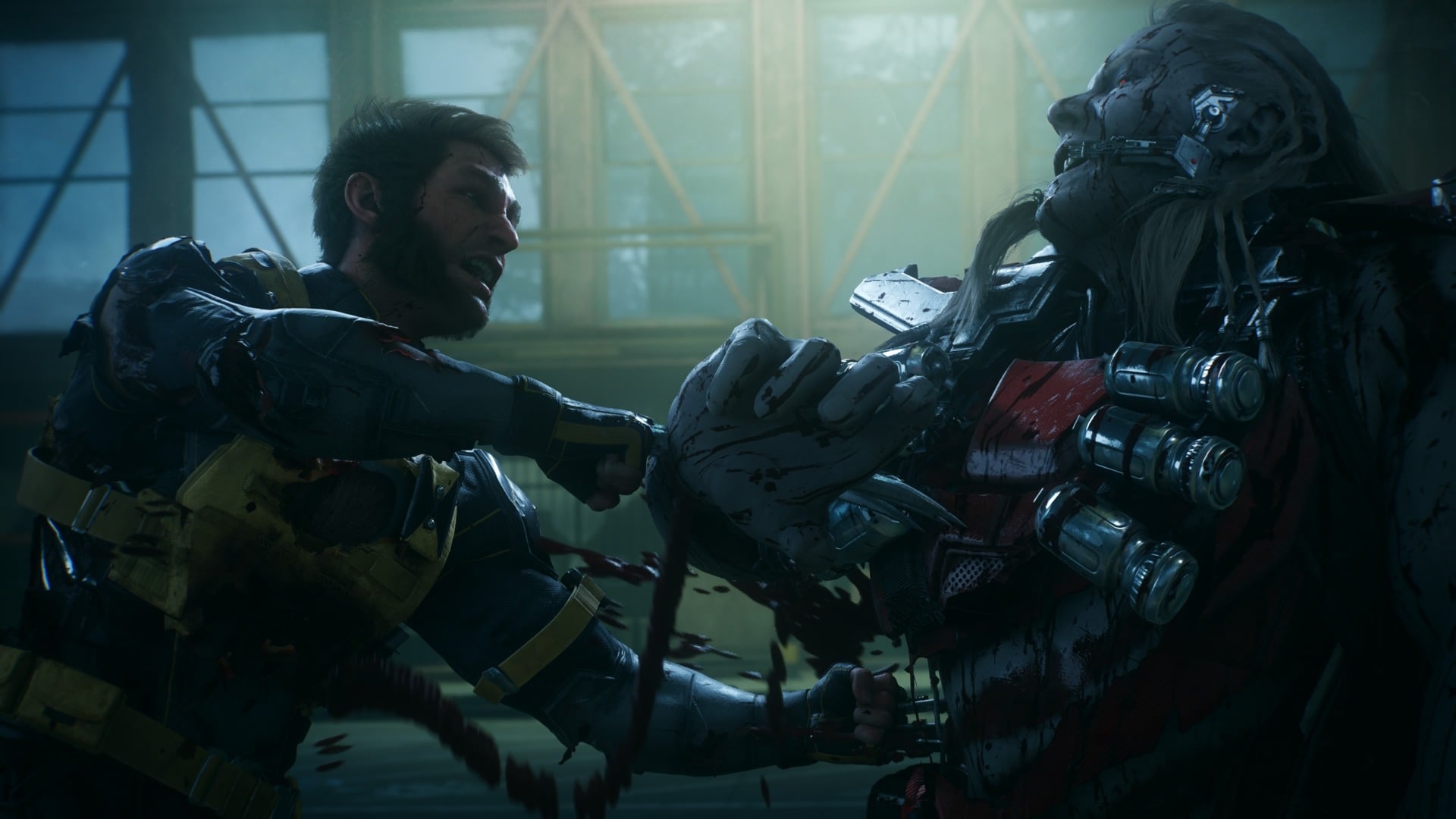
A hand-written note on a script can change a scene — how the writers shaped Logan’s internal life
Walt read pulp novels and thought about Clint Eastwood’s loner energy; he also listened to what chronic pain does to a person’s mind. The team wanted Logan’s interior to be loud and messy, mirroring the comics where his inner monologue never stops.
Walt describes Logan as a man who “doesn’t know if he should exist.” To dramatize that, the writers folded in lost memories, military violence, and the moral cost of being a weapon. The result is a protagonist who apologizes to himself and to the people he protects—every decision is weighted, every kill leaves residue.
Walt turns Logan’s memory into a house with boarded windows.
Who voices Wolverine in Marvel’s Wolverine?
Liam McIntyre provides the voice and performance capture. He approached the part by honoring legacy performances without copying them. Nicole Pacent plays Mystique, Bretti Gipson is Sabretooth, and Krizia Bajos is Jean—each actor brought distinct chemistry to the team dynamic that matters in both cutscenes and gameplay beats.
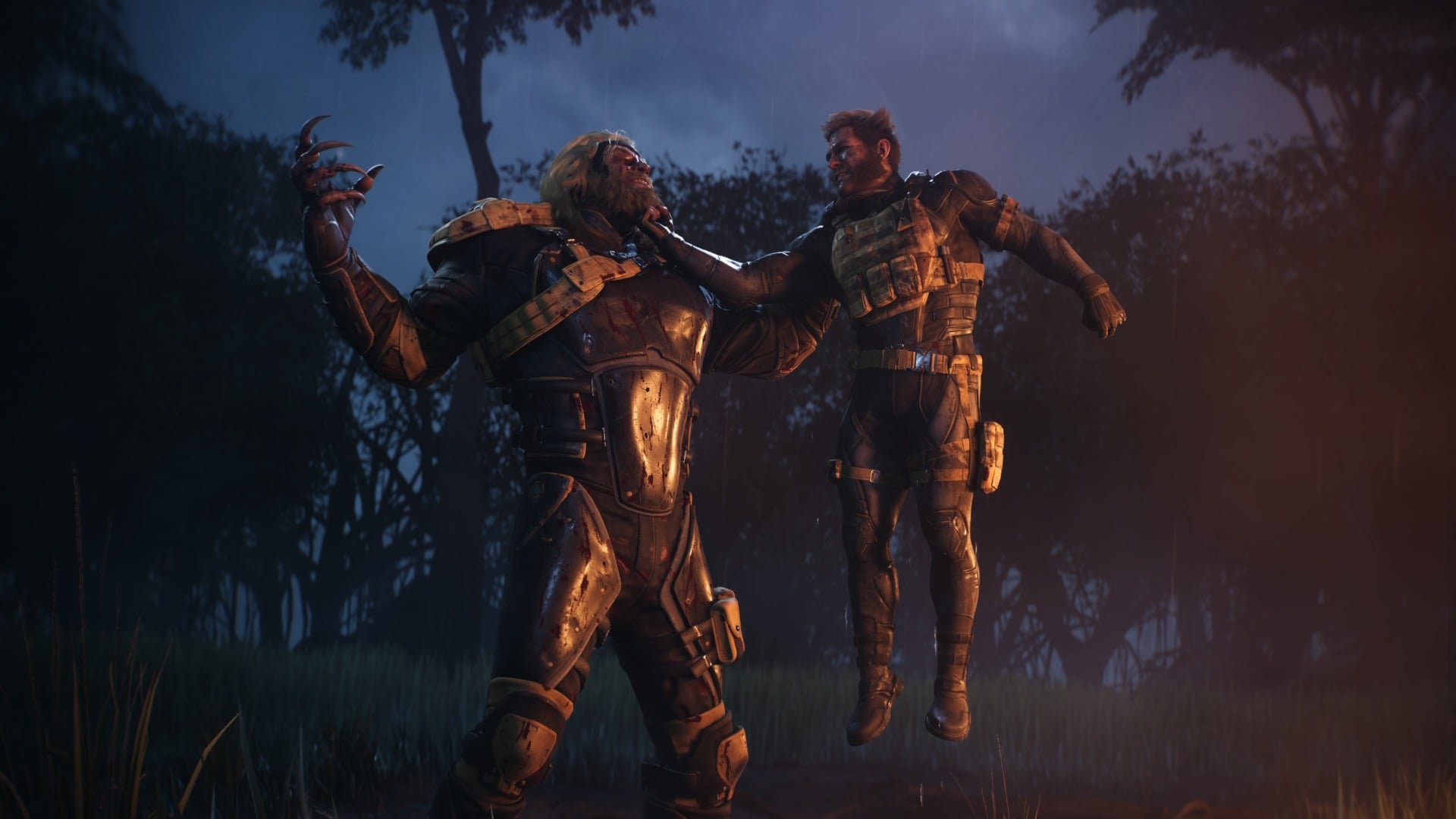
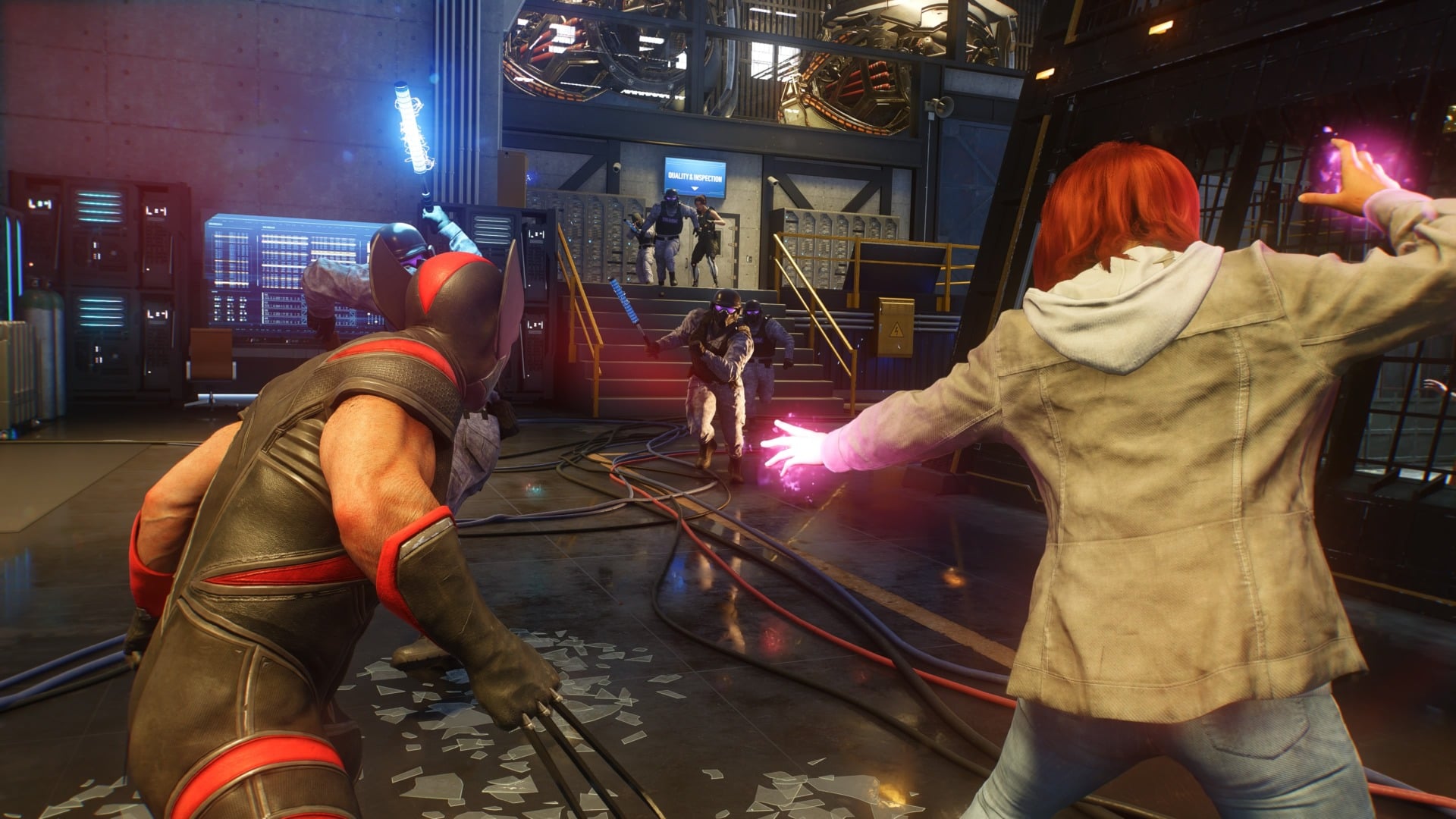
When a level designer changes a corridor, the story bends — iterative writing and production realities
Scripts arrived in stages. Liam didn’t see the whole thing until mid-production. That’s normal for big games: mechanics, camera tech, and level flow force narrative rewrites daily.
Walt and the team stayed nimble. They kept the story’s spine—character goals and key beats—firm while letting scenes shift to match gameplay. Those edits aren’t a sign of weakness; they’re how cinematic games stay playable and emotionally true.
When does Marvel’s Wolverine release?
Marvel’s Wolverine launches Tuesday, September 15, exclusively for PlayStation 5. If you follow Insomniac’s trajectory from Spider-Man to this project, you can see a studio getting bolder about tone and character work.
On set you watch small gestures tell big stories — what makes this Logan land for players
There’s a moment in the gameplay trailer where Logan sprays blood off his claws and sheaths them. That came from a stunt performer who called Logan a samurai in spirit, and it changed how the character moves in combat. Those micro-decisions add up.
The team’s stunt and animation departments did heavy lifting; otherwise the camera would betray the performance. When the animation teams refined small beats—how Logan breathes after a hit, how he favors a shoulder—you feel a character with history, not a puppet put through moves.
I’ve covered games long enough to spot the difference between an imitation of sorrow and sorrow that lives in bone. This Wolverine aims for the latter, and the risk is visible on every axis: narrative, performance, and design. Two questions are left for you: does a Logan defined by pain and protection still deserve empathy, and will you side with the monster or the man?