
I opened LinkedIn, scrolled, and paused on Dan Hawkins’ three-word line: “open for work.” You could feel the slack in Build a Rocket Boy’s feeds—posts, terse updates, a quiet that speaks louder than press releases. I knew then this wasn’t a reorg; it was the slow dimming of a studio’s lights.
Dan Hawkins’ public status was the first sign: what the posts actually say
I read Hawkins’ post myself; you should, too, if you want the primary source. He wrote that he and “the rest of my colleagues at Build a Rocket Boy” had raised the green banner on LinkedIn, and that he’d remain to “see BARB through till the very end.” Polygon picked up the thread and ran it into a story.
That phrasing—staying to close out—usually means payroll and contracts are being wrapped up. Lead weapon and prop artist Adam Ridsdale used the phrase “facing redundancy,” which in UK parlance signals pending layoffs rather than a tidy severance announcement. Taken together, those signals point to a studio-wide wind-down rather than a local hiring shuffle.
The MindsEye launch was a public moment: Benzies, the game, and the fallout
MindsEye arrived with more headlines than players. You remember Leslie Benzies—Rockstar North’s former president—promised a big shake-up. Instead, critics and players flagged the game for missing marks. Benzies publicly blamed internal sabotage and outside interference, a narrative that kept getting louder even as the studio’s activity trailed off.
I followed the PR and patch notes on Steam and coverage from outlets like Moyens I/O and Polygon. The relaunches and updates didn’t translate into sustained player growth or a reputational rebound. That explanation felt thin, and the louder it got, the less the numbers supported it.
Is Build a Rocket Boy shutting down?
Short answer: it appears so, though BARB hasn’t posted an official shutdown notice. Multiple staff are on the jobs market, senior staff say they’ll stay only to close things out, and public-facing activity has dropped. When the people who make a game start listing themselves as available, the product’s support window usually narrows fast.
Read what’s behind the latest news in gaming (with a bit of snark) by subscribing to the Moyens I/O Checkpoint newsletter!
I tracked the timeline of updates and relaunches: why patches didn’t save momentum
MindsEye received a handful of updates and a relaunch, yet player counts and chatter didn’t rebound. You can check SteamDB and community hubs if you want the raw timestamps; the pattern is visible without spin.
Fixing bugs and reworking systems buys time, but it doesn’t always buy trust. Benzies’ repeated claims of sabotage invited scrutiny rather than sympathy. When a founder with Rockstar North pedigree points fingers at external forces, you get attention—but attention isn’t the same as player retention or revenue.
Will MindsEye be supported after these layoffs?
Given the signals—public-facing staff listing availability, senior staff staying only to finish closure—ongoing support looks unlikely. If BARB sells or hands off the IP, that’s a different outcome; without a buyer, updates typically stop and servers either migrate or shut down.
The market reaction was a quiet one: what this means for people and projects
I spoke to a couple of contacts in publishing and indie studios; you can ask your own network on LinkedIn or Twitter and you’ll hear the same practical takeaways. Small studios that promise big launches and then fail to capture audience share tend to face a short runway once investor patience evaporates.
For staff, a BARB closure will mean searching for new roles and selling portfolios. For Benzies, it’s a reputational hit that’s already playing out across press coverage. The headline risk is obvious; the deeper cost is the talent displacement and the lost chance for the team to iterate on what might have worked.
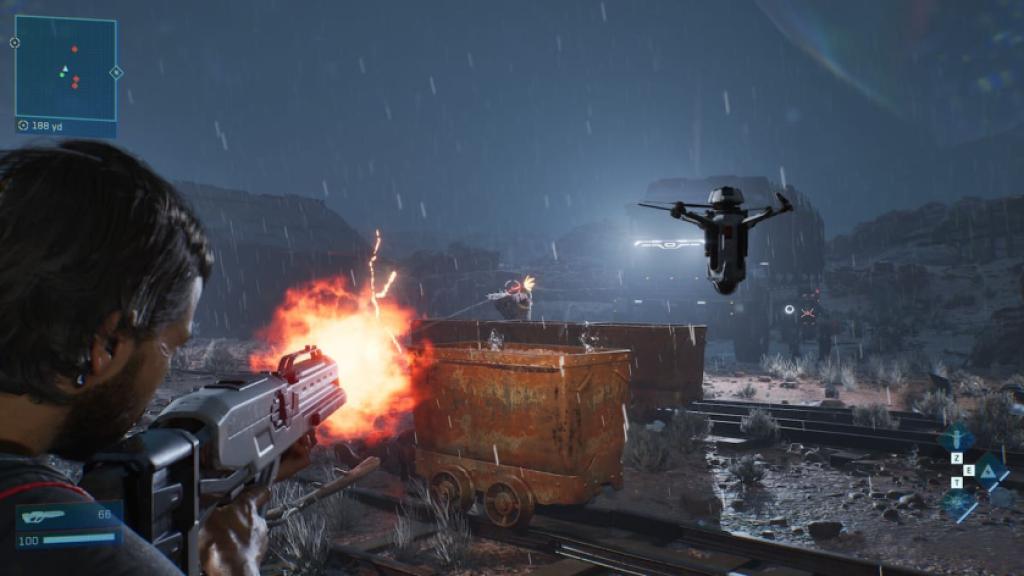
The studio’s collapse felt like a house of cards when public-facing hires and posts started falling away; the game itself, after heavy promotion, spluttered like a faulty drone.
I’ve followed studios from pre-launch buzz to half-built closures, and I’ll be watching who buys the IP, if anyone, and whether players or new owners get another shot at MindsEye. You can judge the PR and the product yourself—what matters more to you: the creator’s reputation or the players’ experience?