
I sat in a lobby while my double XP token bled time as I answered the door. You know that gut twinge when progress disappears while you aren’t even playing. I started asking why Call of Duty let that happen for so long.
Activision has quietly begun fixing annoyances that players have been complaining about for years ahead of Modern Warfare 4‘s launch. A toggle to show only MW4 operators in Warzone is incoming to stop cross-promo skins from breaking immersion, and — crucially for grinders — double XP tokens will now count down only during actual play, not while you idle in menus.
More time to make your 2XP count.Tokens will count down in game time and your existing tokens will be usable starting in Modern Warfare 4. pic.twitter.com/AZNVBdLVc9
— Call of Duty (@CallofDuty) September 28, 2026
Double XP finally behaves like playtime
I’ve watched a timer tick away while I paused a run to get a drink. That felt like a tiny theft. Changing the XP clock to use only in-game time fixes a practical annoyance: tokens now reward the time you actually spend in combat and matches, not your life outside the controller.
This is simple quality-of-life math. Players paid for time-savers and then saw those benefits evaporate while they queued, sat in lobbies, or loaded maps. Making tokens count down only during active play reduces frustration, raises perceived fairness, and rewards dedication without asking you to micro-manage every bathroom break like a playbook.
Will double XP tokens count down only in game time?
Yes. Activision confirmed on X (formerly Twitter) that existing tokens will be usable in MW4 and that the countdown will be paused while you’re out of matches. That change turns a passive timer into an actual currency you can spend on gameplay, which should lift player sentiment heading into launch.
Operator filters: the little interface fix that matters
You’ve queued into Warzone and seen a mascot skin from another universe running the point. It makes immersion wobble. Adding a toggle to show only MW4 operators recognizes that players want coherent visual language when they enter a military shooter.
This is not just cosmetic pettiness. Skins, cosmetics, and collaborations are big revenue drivers — but they also shape how a game feels to play. Giving players control over what they see is a small concession that buys goodwill and reduces friction for competitive players who prefer consistent silhouettes and attachments.
Why now? Sales whispers and competitor heat
I heard chatter in forums that Black Ops 7 underperformed in Activision’s eyes, and MW4’s beta didn’t set fire to social feeds. That creates pressure.
Activision is facing a sharper competitive horizon: Battlefield 6 nudged players last year, and Grand Theft Auto 6 looms as a cultural event likely to pull attention and wallets. When a franchise has dominated casual shooters for years, small irritations stack into reasons for players to pause or skip a season. These fixes read like damage control — smart, because when attention is portable, retention matters more than ever.
Is Activision reacting to GTA 6 and competition?
Yes. The timing suggests a company trying to protect player spend and pre-orders by removing easy complaints. If you’re tempted by the marketing shine of GTA 6, a friendlier, less aggravating CoD experience is Activision’s best defense.
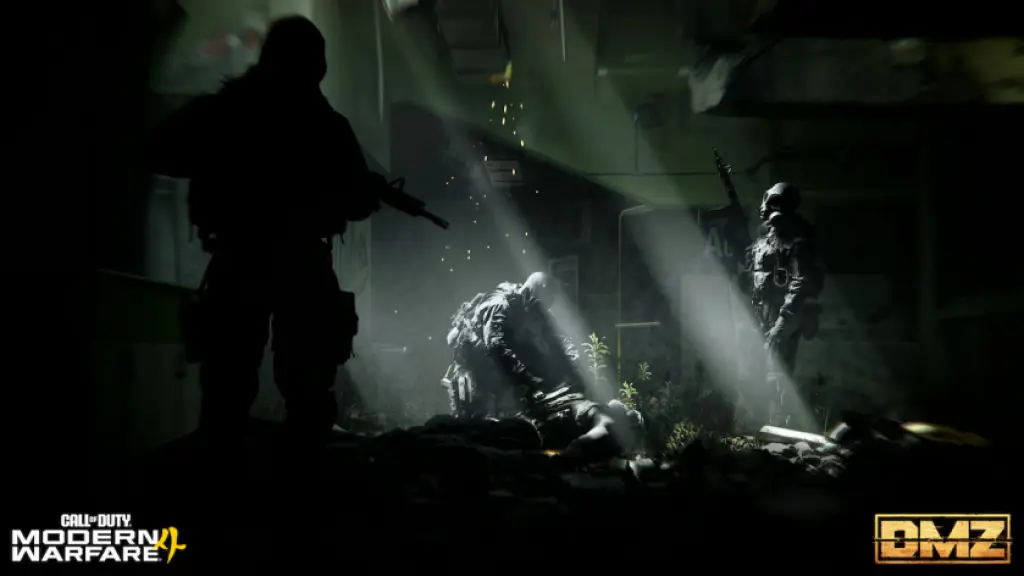
DMZ: the mode that could tip the balance
I watched an old DMZ extraction clip that still gets passed around like a how-to manual for tension. Extraction modes hooked players during Modern Warfare 2 (2022) and brought a taste of Tarkov-style risk-reward into mainstream matchmaking.
DMZ’s promise is simple: if Activision gives players a tight, repeatable extraction loop with meaningful progression and fewer QoL stumbles, MW4 could win back time and wallet share. The mode’s success would be a second wave — while the XP and operator fixes are a first, quiet olive branch to disgruntled players.
How will MW4’s DMZ compare to Escape From Tarkov?
Expect a more accessible take. Tarkov built tension through punishing mechanics and permanent loss; DMZ has historically translated that thrill into a format suited for millions instead of thousands, leaning on faster progression and integrated monetization to keep sessions shorter but meaningful.
Small fixes, big perception wins
On forums and X, I read a steady stream of small asks: stop wasting XP, let us hide silly skins, tweak matchmaking. Each one felt like a drip that erodes trust. Together they became a leaky faucet of goodwill.
Fixing those drips is easier and cheaper than rewriting core systems, and it moves the conversation away from complaints to features. Think of these changes as oil on a squeaky hinge — enough to make the door open smoothly again.
Activision is making pragmatic concessions: visible, player-facing changes that cost little and may stop the churn that competitors and cultural events can exploit. But will these stitches hold when GTA 6 drops and attention fragments across new experiences?