
I remember the first time I hosted a Meccha Chameleon game and watched the player counter crawl upward while my router flashed like an anxious metronome. You and your friends are piled into voice chat, strategy spilling over, and then—lag. The room goes quiet, and you realize how fragile a good party can be.
I’ve run dozens of lobbies and spoken with hosts on Steam, Discord streamers, and casual groups. I’ll tell you what actually matters when stacking players into a room, how many people you can reasonably invite, and practical habits you can start tonight so your rounds don’t collapse mid-match.
At a kitchen table where someone’s phone keeps dropping out: How many players can join the same lobby in Meccha Chameleon
The quick answer: there’s no hard-coded ceiling in the current build, but reality sets the limit. Technically the game will accept many connections, but the recommended sweet spot is between two and ten players. Push past ten and you’re inviting instability; the lobby can swell like a house of cards when the host’s upload can’t keep up.
I’ve seen 12–15 people join for chaos rounds on Steam, and it worked—briefly. The difference-maker was always the host’s connection. If the host has strong wired bandwidth and low jitter, more players will hang on. If they’re on a flaky Wi‑Fi or mobile hotspot, the entire session can end the moment that person’s router hiccups.
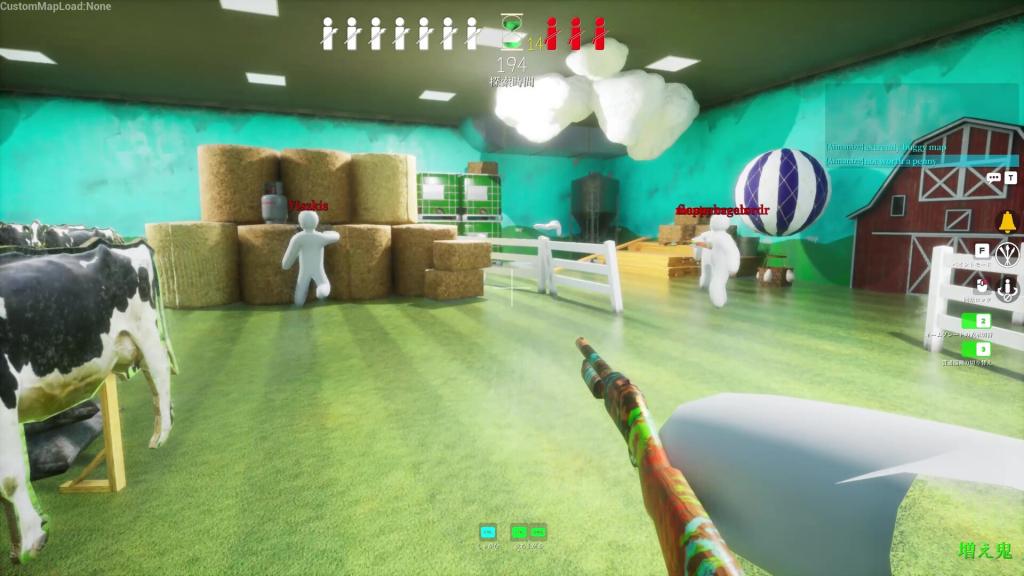
Practical rule: pick a host with a wired Ethernet connection, a solid upload speed, and low ping to Steam servers. I tell new hosts to test a private lobby with friends first and watch for packet loss or rubber-banding. If you see consistent stutters, move to a smaller group or change hosts—because when the host disconnects, the session ends immediately.
How many players can join a single lobby in Meccha Chameleon?
The engine doesn’t enforce a strict cap; community practice does. Aim for 2–10 players for smooth rounds. If you want to push higher, coordinate with a host who runs on a business-class ISP or a small cloud-hosted PC (some streamers even use VPS instances to stabilize rooms), and expect to manage occasional hiccups.
On a group chat where someone shouts “Private room?”: How to play Meccha Chameleon with your friends
Start with a private room—don’t leave the lobby open to strangers unless you actually want random chaos. One player creates the room on Steam, sets a password, and shares the name and passcode in Discord or a Steam group chat. That’s the foundation of a clean session.
As host you pick the mode and kick off rounds. The three modes currently in the build behave the same for joining; the only difference is which objectives you select. I recommend a short warm-up round for newcomers while you verify everyone’s audio and latency.
How do I join my friend’s room in Meccha Chameleon?
You search for the room name in the game’s lobby browser, enter the password, and join. If your friend can’t see you, check Steam’s friend list status, confirm you’re on the same region server, and use Discord to verify you both have the correct room name. I’ve fixed more missed joins via quick voice checks than anything else.
What happens if the host disconnects during a match?
If the host drops, the session ends for everyone. That’s why I always advise rotating host duties in larger parties and keeping a backup ready to create a new room. Streamers on Twitch or small clans on Discord often designate a “backup host” with a reliable connection for this exact reason.
Small habits keep your game nights alive: prefer Ethernet over Wi‑Fi, mute video where bandwidth is tight, and keep a short list of potential hosts in your group. When you do that, hiders blend in as subtle as a whispering ghost and the fun lasts longer.
So—will you risk a 12-player slapstick session or keep the group tight and pristine for the long haul?