
You haul a swollen corpse across the cemetery and the Donkey hums like it knows something is wrong. Red skulls hover above the chest and the air tastes suddenly thin. I have buried my share of botched funerals—this one can cost your reputation and your coffers.
I’ve played Graveyard Keeper 2 enough to spot the bad ones at a glance, and I’ll walk you through the fastest paths out of trouble. You’ll get the safe result you want and keep the graveyard from turning into a reputation sink. Read this like a short field manual: quick decisions, cleaner outcomes.
You can tell a bad corpse by the red skulls hovering over it. How to handle bad bodies in Graveyard Keeper 2
If a body has red skulls, burying it is a gamble you don’t take. Burying a tainted corpse drags grave quality down and can trigger penalties that ripple through your settlement. I recommend three practical routes: cremation, river disposal, or remediation via autopsy.
Cremation is the cleanest immediate fix. Build a Crematorium inside the Morgue and you incinerate the risk while keeping the Burial Certificate reward intact. To craft the Crematorium you must research its blueprint under the Body Places tree, then place it in the Morgue for six Bricks and six Bronze Details.
River disposal is a dirty but serviceable workaround if you haven’t researched the Crematorium yet. Carry the corpse to the water and toss it in; you lose burial rewards, but you also avoid contaminating the cemetery. Think of this as the quick triage option when time or materials are short.
Autopsy remediation gives you a chance to salvage the corpse. Once you have Autopsy researched and the tools ready, you can perform procedures that remove red skulls. Success converts the corpse into a safe burial candidate and lets you harvest more value from the body.
What is a bad corpse in Graveyard Keeper 2?
A bad corpse wears red skulls and behaves like damaged inventory: it harms graveyard score and can ruin future sales or relationships if ignored. These bodies often come from risky quests, certain mobs, or careless Donkey deliveries. Spot one early and you avoid the cleanup cascade.
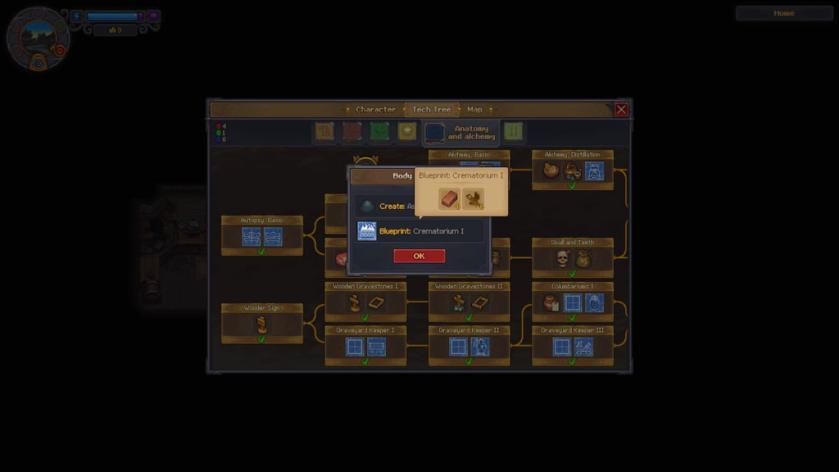
The Morgue hardware and manual options are often simpler than you think. When cremation is the best play
On PC and consoles the workflow is identical: if you have the Morgue and the recipe researched, set up the Crematorium and use it as your default bad-body disposal. It removes the red-skull threat and hands you the Burial Certificate, so you don’t lose the paperwork or the payoff.
I want you to remember how cheap prevention feels: build the Crematorium early enough and bad bodies stop being emergencies. If you’re on Steam (the game often lists around $19.99 (€18)), check community guides and Steam Workshop threads for placement tips. Console players on Xbox Game Pass or GOG users can find similar walkthroughs on Reddit and the official forums.
How do you remove red skulls?
Once you have Autopsy technologies researched and the right tools—autopsy table, scalpel, and patience—you get a set of minigame checks. Success strips one or more red skulls away; failure means you either try again or use cremation/river methods. I recommend reading Steam Community guides and Moyens I/O’s coverage for step-by-step autopsy sequences.
Even late-game options follow clear rules. Alternative fixes and late-game conversions
Late in the campaign you can convert bad corpses into animated assets rather than liabilities. This option is gated by advanced research and specialized altars, so it isn’t for early saves.
When you reach that stage you turn a liability into workforce—literally. It’s a risky upside that requires investment, but it pays back in unique ways if you enjoy thematic playstyles. Some players treat it like turning a lemon into lemonade; I prefer a sterner metaphor: a sealed matchbox of trouble that, if opened carefully, lights a useful flame.
If you want one sharp rule: don’t bury a red-skull corpse unless you’re prepared to fix the damage after. You can rely on community resources—Steam guides, Reddit threads, and mod hubs like Nexus Mods—for detailed sequences, and outlets like Moyens I/O often publish quick reference tutorials if you need an editorial take.
Which path will you choose when the next Donkey hands you a problem—fire, river, or surgery?